
24/7 Customer Support

Free returns

Same-day & Next-day Delivery

Quality Guaranteed

Unlock Your Welcome Offers: FREE Delivery | Up to 80% OFF | Free 30-day JoyPlus trial
Download the APP
Investing in a power tower with bench is a significant step towards building a serious home gym. This single piece of strength training equipment can replace multiple machines, offering a versatile platform for pull-ups, dips, leg raises and bench presses. However, the market is filled with options that look impressive online but fail to deliver on stability and durability. As a Joybuy Product Recommendation Officer, my role is to help you navigate the clutter and identify what truly matters.
Before you commit, it's crucial to understand the common pitfalls that lead to buyer's remorse. Many promising-looking units fall short in key areas, turning your investment into a wobbly, unsafe clothes rack.
fitness tower with bench that shakes or wobbles during pull-ups or dips is not only distracting but dangerous. This is often due to a narrow base, a high centre of gravity, or the use of thin, low-grade steel tubing that can't handle dynamic movements.pull up dip station.multifunction workout station should adapt to your body, not the other way around.To ensure you get a piece of equipment that is both safe and effective, focus on these non-negotiable specifications.
The foundation of a quality home gym power tower is its frame. Look for units constructed from heavy-duty steel. While "heavy-duty" is a marketing term, you can look for specifics like the steel gauge or tube dimensions (e.g., 50mm x 50mm). A lower gauge number means thicker steel. The base is equally important. A wide, H-shaped base provides a much more stable footprint than a simple square or narrow rectangular one, preventing rocking during exercises like kipping pull-ups or weighted dips.
Versatility comes from adjustability. A good power tower with bench should offer multiple height settings for the heavy duty pull up bar to accommodate users of different heights. The backrest and bench should also be adjustable, allowing for incline, decline and flat positions to target different muscle groups effectively. Pay attention to the quality of the padding and upholstery; it should be firm enough for support but comfortable enough for longer sessions.
Always prioritise the dynamic weight capacity. This figure should comfortably exceed your body weight plus any additional weight you plan to use (from weight vests or belts). A reputable product will clearly state this capacity. For a serious enthusiast, a dynamic capacity of at least 180 kg (around 400 lbs) is a good benchmark, ensuring the structure can withstand the forces generated during intense workouts without flexing or failing.
Instead of a single "best" model, the right choice depends on your specific fitness goals, available space and how you plan to build your home gym. Here are our recommendations matched to different user profiles.
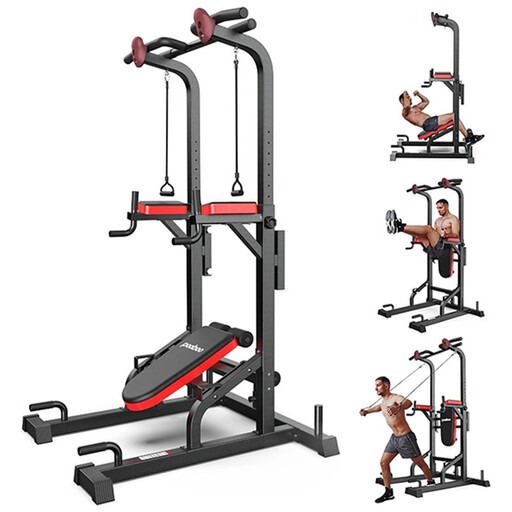
Why This Fits Their Persona: This user wants a single, comprehensive solution to cover all major bodyweight and free-weight exercises, effectively replacing a commercial gym membership.
Its heavy-duty steel frame and a stated weight-bearing capacity of 480 lbs (approx. 217 kg) directly address the common pitfalls of instability and low dynamic capacity.
Features an adjustable height and a full bench, making it a true multifunction station. The inclusion of rock climbing grips adds another layer of training variety.
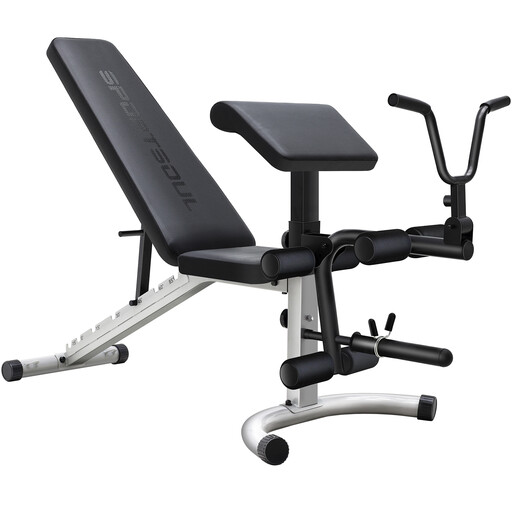
Why This Fits Their Persona: This user prefers to build their home gym piece by piece, prioritising a high-quality, versatile bench as the central component for dumbbell and barbell work.
By focusing on one function, it offers superior stability. Its high-grade alloy steel frame and 610 lbs (277 kg) dynamic capacity far exceed what is found in most integrated benches.
Extensive 7+4 multi-angle adjustment for backrest and preacher pad allows for precise targeting of muscles. It is also foldable for more convenient storage.
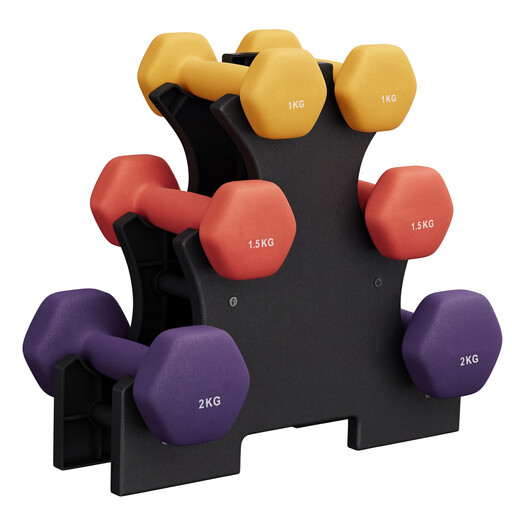
Why This Fits Their Persona: Ideal for those new to strength training or with limited space. This user wants effective, easy-to-store equipment to build a foundational fitness routine at home.
It sidesteps the large footprint and complexity of a power tower. The hexagonal shape prevents rolling, a common annoyance with cheap, round dumbbells.
The set includes three pairs of weights (1, 1.5 and 2 kg) and a compact stand, offering progression and tidy storage. The neoprene coating ensures a secure grip.
We have compiled a complete, real-time list of products that fully satisfy these strict selection criteria and UK safety regulations.
As a general rule, you should plan for a footprint of at least 1.5 metres in width by 2.5 metres in length. Crucially, you also need sufficient ceiling height. Measure the height of the pull-up bar at its highest setting and ensure you have at least 30cm of clearance above it to perform a full pull-up without hitting your head.
For those serious about strength training, a power tower offers excellent value. It consolidates multiple exercises into one machine, saving both space and money compared to buying individual pieces of equipment. It is particularly useful for developing upper body and core strength through fundamental compound movements.
Always follow the manufacturer's instructions to the letter. Use the tools provided and tighten all nuts and bolts securely. Place the tower on a flat, level surface—a garage floor or a solid ground floor is ideal. Before each workout, give the unit a quick check to ensure all bolts are still tight and the frame is stable.