Lower-sugar curry-night shoppers
If you want a drink with dinner without choosing the sugar in a conventional isotonic drink, compare water with a zero-sugar option. Check the nutrition panel rather than relying on the words “sports drink”.


For an ordinary curry night, choose water, or a zero-sugar sports drink if you want that flavoured format without the sugar in a conventional isotonic drink; the NHS recommends water for everyday hydration and suggests swapping sugary drinks for sugar-free alternatives. A carbohydrate-containing isotonic drink makes more sense when you deliberately want carbohydrate around exercise, rather than simply a drink with dinner. Check the exact pack for sugars, carbohydrate, salt, sweeteners and allergens before choosing.
If you want a drink with dinner without choosing the sugar in a conventional isotonic drink, compare water with a zero-sugar option. Check the nutrition panel rather than relying on the words “sports drink”.
If you are deliberately choosing carbohydrate and electrolytes around exercise, a conventional isotonic drink serves a different purpose from a zero-sugar drink. Consider that purpose separately from what you want with the meal.
If particular sweeteners, salt or allergens affect your choice, read the label on the exact flavour and pack you buy. A zero-sugar description does not tell you everything in the drink.
Decide whether the drink is for dinner refreshment or deliberate carbohydrate intake around exercise, then compare the labels of the formats that fit.
| Priority | What to check | Your needs |
|---|---|---|
| Sugars | Compare sugars per 100ml and the bottle size. Tesco lists 0g sugars per 100ml for Powerade Zero Berry Tropical; Coca-Cola Great Britain lists 4.1g per 100ml for standard Powerade. | I want a drink with curry without choosing the sugar in a conventional isotonic drink. Water or a labelled zero-sugar option fits that aim. |
| Exercise purpose | Check carbohydrate per 100ml as well as sugars. Coca-Cola Great Britain lists 4.1g carbohydrate per 100ml for standard Powerade, while Tesco lists 0g for Powerade Zero Berry Tropical. | If I am deliberately choosing carbohydrate around exercise, I need to distinguish a conventional isotonic drink from a zero-sugar one. For dinner refreshment alone, I do not need to assume an exercise drink is required. |
| Ingredients | Read the exact pack’s ingredient list, salt figure, allergens and serving size. Tesco lists sucralose and acesulfame K for Powerade Zero Berry Tropical and advises checking labels because formulations can change. | A zero-sugar label may suit my sugar preference, but I still want to know which sweeteners and other ingredients are in that particular drink. |
Conventional isotonic drinks can contain sugar: Coca-Cola Great Britain lists 4.1g per 100ml for standard Powerade. At that concentration, 500ml contains 20.5g of sugar.
If exercise fuelling is not your reason for buying it, compare water and labelled zero-sugar drinks before picking a conventional isotonic one for curry night.
Tesco lists sweeteners in Powerade Zero Berry Tropical. Sugar content alone does not answer questions about sweeteners, salt or allergens.
Check the label on the exact flavour and pack, particularly if an ingredient affects your choice.
Conventional Powerade and Lucozade Sport are described in relation to exercise, but their carbohydrate content does not make them a necessary accompaniment to a curry meal.
Choose a carbohydrate-containing drink when carbohydrate intake is your purpose; otherwise choose your dinner drink on its own terms.
These distinctions concern specific drink lines, not every product sold under each brand.
The range includes a conventional isotonic drink and a separate Zero Sugar option.
Standard Powerade and Powerade Zero have different carbohydrate and sugar figures.
Gatorade UK describes a carbohydrate-and-electrolyte powder sachet, rather than a ready-to-drink bottle.
These flavoured hydration and isotonic drinks offer different formats for the curry-night versus exercise decision. Check each pack’s nutrition information to establish whether it meets a zero-sugar or carbohydrate-intake aim.
 No image available
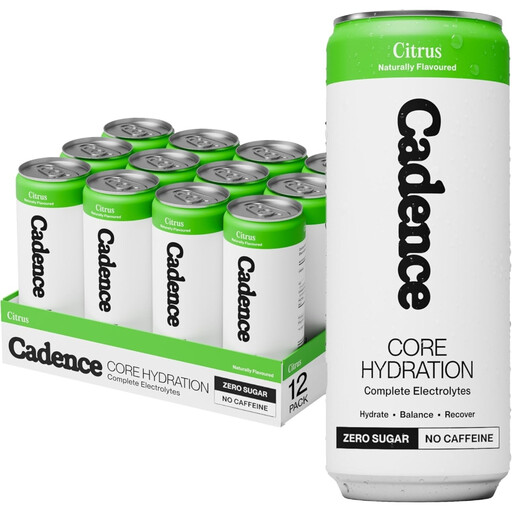
For a flavoured drink with curry, check the pack’s sugars, carbohydrate and salt before deciding whether this citrus hydration drink meets your needs. The listed format is 12 × 330ml.
 No image available
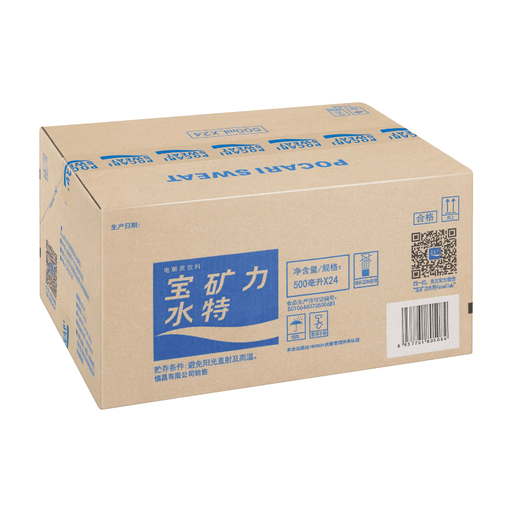
If you are choosing a sports drink around exercise, compare its carbohydrate and sugar figures with your reason for buying it; do not assume it is a zero-sugar dinner choice. This is a 24 × 500ml pack.
 No image available
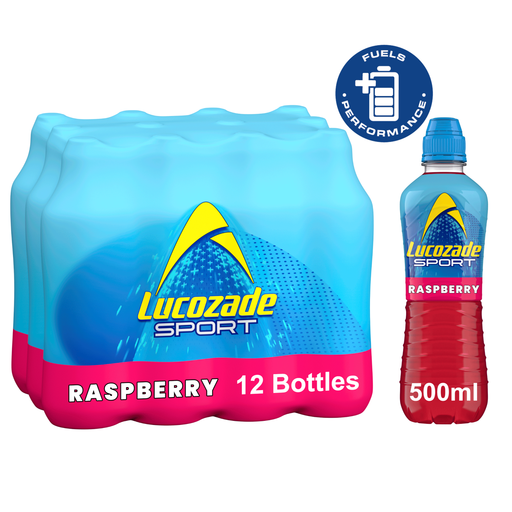
This raspberry isotonic drink is a 12 × 500ml bottle pack. Compare its carbohydrate and sugar figures before choosing it for exercise rather than a lower-sugar dinner drink. The product information flags aspartame as a source of phenylalanine and says this version is unsuitable for people with phenylketonuria; confirm the warning on the pack.
 No image available
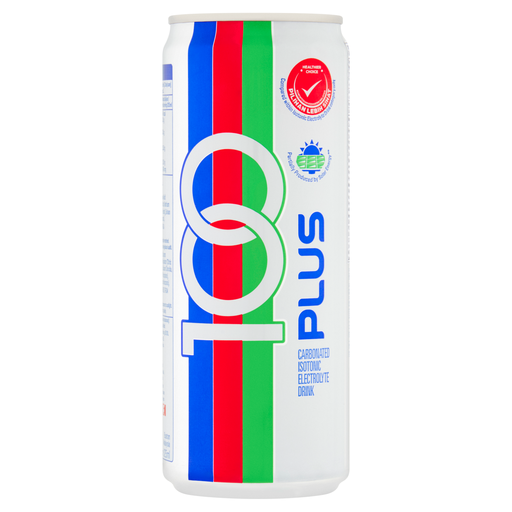
For an exercise-related choice, this is a carbonated isotonic drink in a stated 325ml size. Check sugars and carbohydrate on the offered pack if you are also weighing it against a zero-sugar drink with curry, and confirm the quantity offered.
 No image available
If you want a white-peach electrolyte-water drink, compare the bottle’s sugars and carbohydrate figures before treating it as a lower-sugar option with curry. The stated format is 15 × 600ml.
No sports drink is necessary simply because you are eating curry. The NHS recommends water for everyday hydration; a conventional isotonic drink is a separate choice when you deliberately want carbohydrate and electrolytes around exercise.
The specified zero-sugar version has less sugar. Tesco lists 0g sugars per 100ml for Powerade Zero Berry Tropical, while Coca-Cola Great Britain lists 4.1g per 100ml for standard Powerade; check the exact flavour and pack you buy.
Not in the Powerade formulations described here: Tesco lists 0g carbohydrate per 100ml for Powerade Zero Berry Tropical, while Coca-Cola Great Britain lists 4.1g per 100ml for standard Powerade. If carbohydrate intake is your reason for choosing a drink around exercise, those versions are not interchangeable for that purpose.
Check sugars and carbohydrate per 100ml and for the amount you expect to drink, then read the salt figure, sweeteners and allergens. Use the label on the exact bottle or sachet: Tesco advises that product information can change when formulations do.