Light-pack day trippers
If you mainly want a phone backup during a day out, a smaller bank may be easier to carry. The trade-off is less reserve for further charging.


Choose a power bank’s capacity around the devices you carry and the top-ups you expect to need, then check its outputs, recharge input and cables against those devices. A compact model suits a phone backup when carrying less matters most; a larger or multi-port model may suit a longer day or several devices, provided its weight and simultaneous output work for you.
If you mainly want a phone backup during a day out, a smaller bank may be easier to carry. The trade-off is less reserve for further charging.
If you carry a phone and another small device, or expect to charge repeatedly away from mains power, consider both capacity and the output available when ports are used together.
If charging speed matters, match the device’s accepted input to the bank’s stated output and the cable’s capability. The USB Implementers Forum notes that USB cables do not all have the same capabilities.
Decide how much backup you need before comparing charging connections and carry size. A larger stated capacity does not answer whether a bank fits your bag or charges your devices as intended.
| Concern | What to check | Who this matters to |
|---|---|---|
| Stored capacity | Compare the stated mAh and Wh with your planned top-ups, then check the exact model’s weight. | If I will be away from mains power all day or need repeat charging, running short of reserve is my main concern. Around 29% of consumers put sufficient stored capacity first. |
| Charging compatibility | Match the device’s accepted input to the bank’s per-port output and recharge input; check the cable rating. | When my device needs a particular USB-C charging mode, I want the bank and cable to match it rather than relying on the connector’s shape. Compatible charging is the primary need for around 29% of consumers. |
| Several devices | Check the required port types and the manufacturer’s simultaneous-output specification. | If I carry a phone and another small device, I need to know what each receives when both are connected. Around 21% of consumers place usable multi-device charging first. |
| Carry size | Compare stated weight and dimensions, and check whether any built-in connector suits your device. | For a day out with a small bag, I would rather carry less, even if that means accepting a smaller reserve. Keeping weight and bulk down comes first for around 21% of consumers. |
Capacity describes the stated reserve, not how comfortable the bank will be to carry. It also does not settle air-travel requirements if a flight becomes part of the trip.
Compare the exact model’s weight and dimensions. If you plan to fly, read its Wh marking and check the airline’s current rules.
The USB Implementers Forum notes that cables differ in capability. The device’s accepted input and the bank’s output also matter.
Check the intended port’s USB-C Power Delivery specification against your device and use a cable rated for the required power.
A suitably rated cable may be another item to carry if your existing one does not meet those requirements.
A bank’s stated maximum does not tell you what each connected device receives when several ports are in use.
For two or more devices, check the exact model’s per-port and simultaneous-output specifications.
Office for Product Safety and Standards recall notices published by Darlington Borough Council have identified particular Anker and Belkin power banks with fire-risk concerns. A notice about a named model does not apply to a brand’s entire range.
Check the model identifier against current UK product-safety alerts before buying or continuing to use a bank, and follow any applicable recall instructions.
Anker’s UK range includes compact, magnetic and higher-capacity power-bank formats.
Belkin’s UK range includes wired USB-C, magnetic wireless and integrated-cable formats.
UGREEN’s UK range includes magnetic options and Nexode power banks with different capacity and output configurations.
These choices cover phone-backup, built-in-cable, magnetic and higher-capacity options. Compare each model’s stated capacity with your carry needs, then check the connections and output for your own devices.
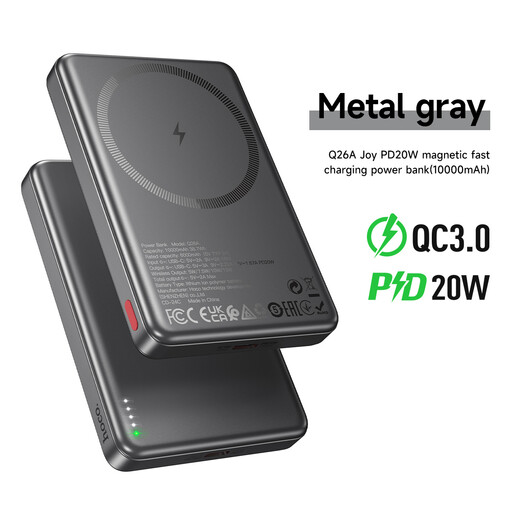 No image available
Consider this 10000mAh magnetic model if phone backup is your priority. Check that your phone and case suit magnetic attachment, and confirm the output available if you intend to charge devices by more than one method at once.
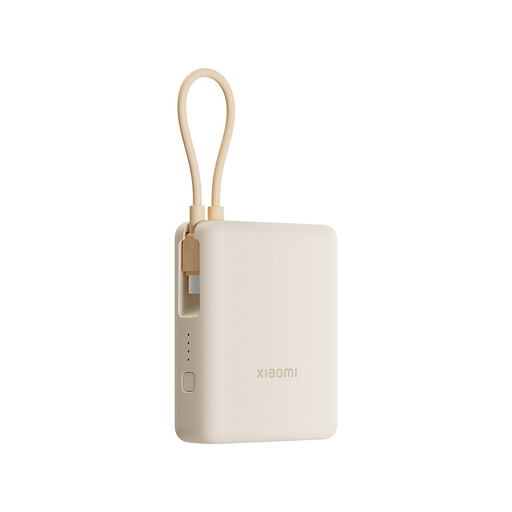 No image available
The integrated cable may suit a day out when you want one less separate item to pack. Its name states 10000mAh and 33W; check that the cable and outputs match your devices, and compare weight and simultaneous output if those affect your choice.
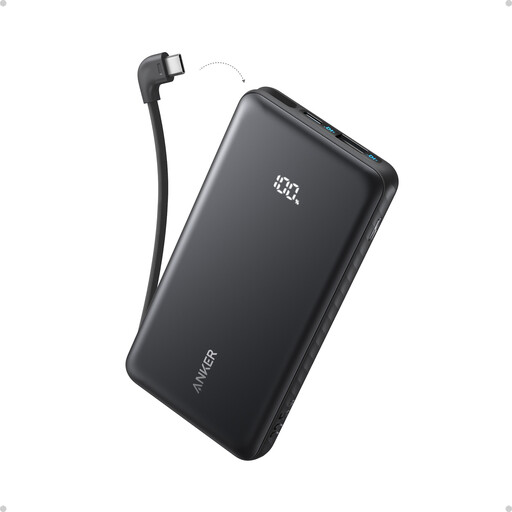 No image available
This built-in-cable model may suit everyday charging when your device uses USB-C. The title states 10000mAh and 22.5W, but your device’s charging rate depends on compatible capabilities; check per-port output and carry dimensions for your plans.
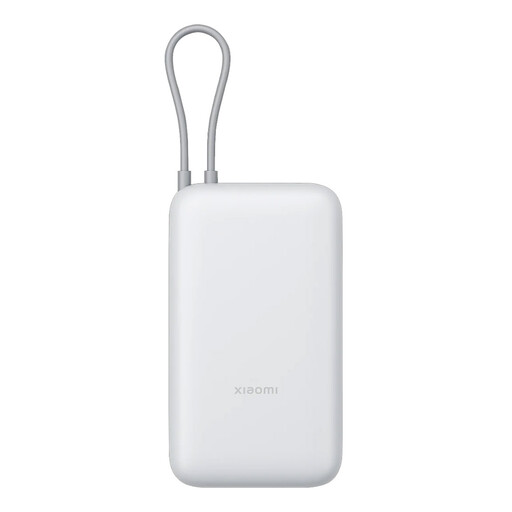 No image available
Consider the stated 20000mAh capacity if reserve for a longer day matters more than minimum carry size. Check the integrated cable against your device and compare the model’s weight, recharge input and output conditions before choosing it.
 No image available
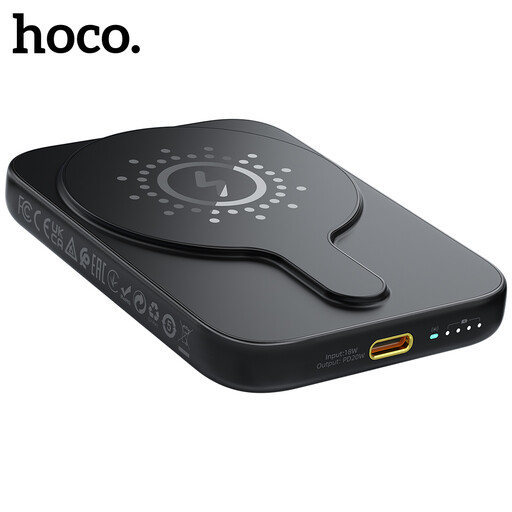
This magnetic model is worth considering only after confirming the capacity of the exact item: its title says 5000mAh, while its description says 10000mAh. Check the model and capacity label, device compatibility and output when using more than one connection.
Match the device’s accepted charging input to the bank’s output for the port you will use, and check how the bank itself recharges. If you need USB-C Power Delivery, check the stated capabilities of the device, bank and cable; the USB Implementers Forum notes that cables differ in capability.
No mark alone establishes that a particular unit is safe to use. For products placed on the Great Britain market, the Department for Business and Trade explains that CE and UKCA markings indicate the manufacturer believes relevant requirements are met. Check the model against current UK product-safety alerts, and stop using a bank that is damaged, swelling or overheating.
Do not assume Great Britain marking guidance applies unchanged to a Northern Ireland purchase. The Office for Product Safety and Standards explains that provisions of the Electrical Equipment (Safety) Regulations 2016 apply differently in Northern Ireland; check the information applicable to the market where the product is supplied.
Check the warranty for the exact product, seller and purchase channel, including its duration, proof-of-purchase requirements and exclusions. Anker’s UK policy lists an 18-month battery warranty with a country-of-purchase restriction; UGREEN UK’s published two-year limited warranty is expressly for purchases through its own UK site.
Keep it in cabin baggage rather than checked luggage, in line with UK Civil Aviation Authority passenger guidance. Check your airline’s current rules for the particular journey and the Wh marking on your bank before travelling.