What should you check first?
Decide separately how you will charge USB devices, receive updates and provide light. If emergency calls depend on a landline, check that service with its provider rather than assuming a household charger will keep it working.
USB power bank
Choose when: Essential phones or other small devices charge by USB and you can match the bank, cable and output to them.
Keep in mind: The bank must be charged in advance and cannot restore mobile coverage or home internet.
Separate torch and radio
Choose when: You need light and broadcast updates without using a phone or broadband connection.
Keep in mind: Check replaceable batteries or charging methods beforehand; radio reception depends on a receivable broadcast.
Landline-provider backup
Ask about this when: Your emergency-calling plan relies on a digital landline.
Keep in mind: The provider must confirm the equipment, eligibility, setup and intended duration for your service.
| Concern | What to check | Who this matters to |
|---|
| USB power for essential devices |
List the devices you need to charge and compare their requirements with the bank’s stated capacity and output. Plan how to recharge the bank before an outage. |
If I need my phone available for contact, I want a charged power source that fits it; around 31% of consumers put essential USB-device power first. |
| Independent updates and lighting |
Check how the torch and radio are powered, which spare batteries they require, and whether the radio receives a usable broadcast where you live. |
When phone-based services are unavailable, I need another way to find information and move around at home; roughly 25% of consumers make independent updates and lighting their primary concern. |
| Connectors and shared charging |
Check each priority device’s connector, the cables available, the bank’s ports and whether it can charge the devices you need at the same time. |
With several essential devices in the household, I do not want an incompatible cable or too few connections to hold up charging; around 25% of consumers prioritise multi-device fit. |
| Landline emergency calling |
Ask the landline provider about your service type, backup eligibility, supplied equipment, setup and intended emergency-call duration. |
If my emergency calls depend on the landline, I need to know what will keep that service working during an outage; approximately 19% of consumers place landline-call resilience first. |
Joybuy products for phone power and lighting
These power banks and torches cover USB-device charging and separate lighting for a household kit. Choose by the devices you need to charge or the light you need available; neither type replaces a radio or a provider-confirmed landline backup.
 No image available
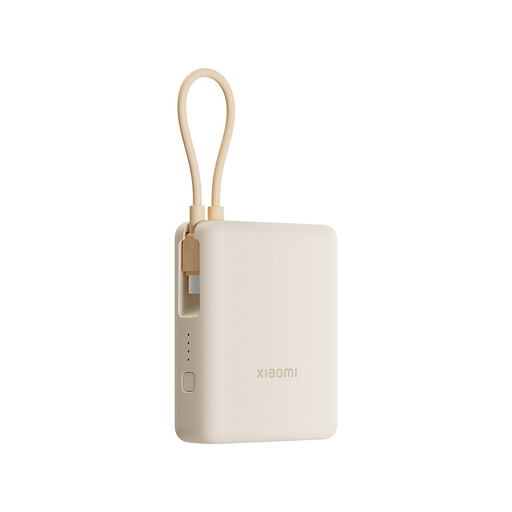
Xiaomi 33W Power Bank 10000mAh, Integrated Cable, Tan
For charging USB-powered devices during an outage, this model has a stated 10,000mAh capacity and an integrated cable.
Check that its cable and connections fit your devices, and compare their power needs with the bank’s stated 33W specification before relying on it.
View on Joybuy
 No image available
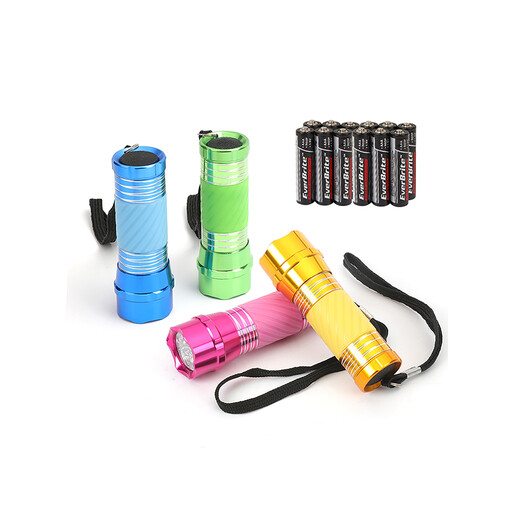
EverBrite 4-Pack LED Mini Torches, 90mm, Batteries Included
For keeping separate lights accessible around the home, this pack contains four 90mm mini torches and is listed with batteries included.
Check the required replacement batteries and running time before planning how long the torches must be available.
View on Joybuy
 No image available
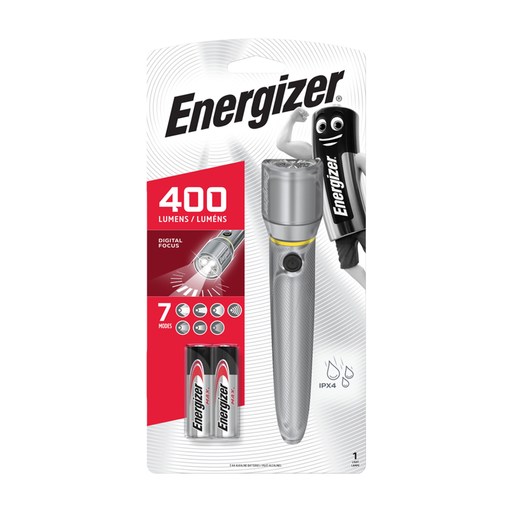
Energizer Vision HD Metal LED Torch, 400 Lumens + 2×AA Batteries
For a separate light source, this AA-battery torch has a stated 400-lumen specification.
Confirm the battery quantity supplied, as the product information gives conflicting quantities, and check running time before relying on it for an extended outage.
View on Joybuy
 No image available
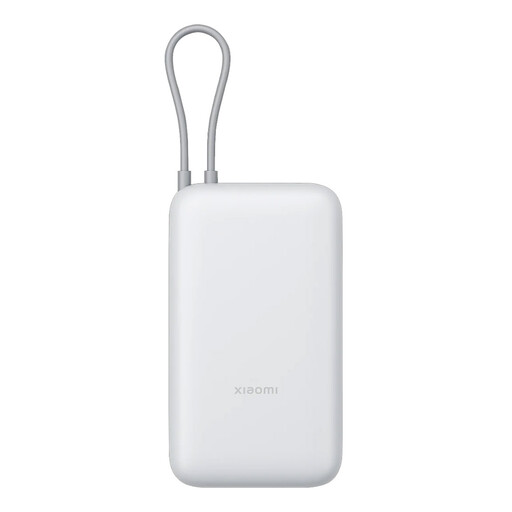
Xiaomi Power Bank 20000mAh, Integrated Cable, GL Light Gray
For a USB-device charging plan that calls for a higher stated capacity, this variant is labelled 20,000mAh and has an integrated cable.
Check cable fit, device charging requirements and how many recharges your devices need; capacity alone cannot establish your household’s runtime.
View on Joybuy
 No image available
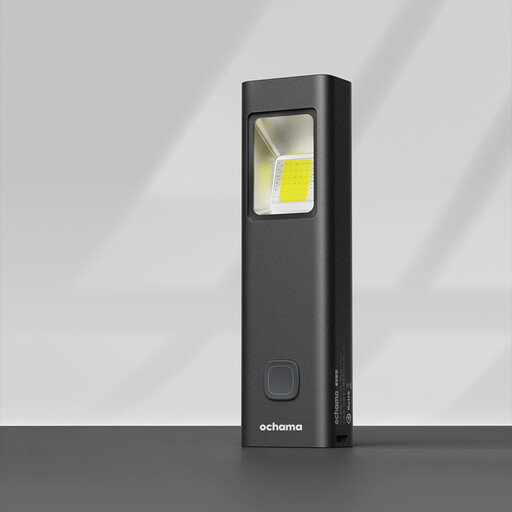
Ochama FL1 Torch, 7 Lighting Modes, Type-C Cable Bundle
For separate outage lighting, the FL1 is described with seven lighting modes and a supplied Type-C cable.
Confirm how the torch is powered, its brightness and its running time before relying on it; a supplied cable alone does not establish its battery arrangement.
View on Joybuy
Questions about preparing for a power cut
Can I rely on my phone and home internet during a power cut?
Do not make either your only source of information or contact. UK Government Prepare guidance warns that home internet can fail and mobile signal may be affected; keep a separate light, a battery or wind-up radio and important contact details on paper.
What should I check before buying a power bank?
Start with the charging connectors and cables for your essential devices, then check the bank’s ports, capacity, output and own charging input. Electrical Safety First explains that capacity affects potential recharges while output affects charging speed; neither figure alone tells you how long your particular devices will last.
Do I need a torch and radio if I already have a phone?
Separate lighting and a battery or wind-up radio provide options that do not depend on a phone battery or home broadband. UK Government Prepare recommends both for power-cut preparation and notes that using a phone as a torch drains its battery; check the radio’s reception and keep the specified spare batteries where needed.
Will my digital landline work without power?
A digital landline needs specific backup to work during a power cut, according to Ofcom. If it is your emergency-call route, ask your provider what equipment and arrangements apply to your service, how they are set up and how long they are intended to operate.
How should I keep an emergency power kit ready?
Keep the power bank charged, inspect it and its cable for damage, and periodically test the torch and radio with their required batteries. Electrical Safety First advises keeping power banks away from heat and liquids and charging them uncovered in a well-ventilated place; store the kit where you can find it without mains lighting.


