
24/7 Customer Support

Free returns

Same-day & Next-day Delivery

Quality Guaranteed

Unlock Your Welcome Offers: FREE Delivery | Up to 80% OFF | Free 30-day JoyPlus trial
Download the APP
Choosing between power saws is not simply a question of motor wattage. A compact jigsaw may be more useful for curved cuts, while a circular saw is better suited to straight cuts through boards. Cordless models offer freedom from mains cables, but only if you already own compatible batteries.
For UK DIY enthusiasts, renovators, carpenters and tradespeople, the main challenge is matching the saw to the material, cut type and workload. This guide explains the specifications that matter and highlights practical options for different users.
A 750W motor can indicate useful mains power, but it does not tell you the cutting depth, blade quality or suitability for a particular material. Similarly, an 18V cordless saw may be convenient, but runtime depends on battery capacity, material thickness and cutting speed.
Always check the full specification, including:
A blade designed for timber is not automatically suitable for steel, tiles or plastic. Some multi-blade kits include separate blades for these materials, but you must install the correct one before use.
For example, a TCT blade is commonly used for wood, while HSS blades may be supplied for plasterboard or soft metal. Grit diamond blades are intended for certain masonry and tile applications. Check the product instructions and blade markings rather than relying on a general “multi-material” label.
A saw may appear attractively priced but require additional spending on batteries, guide rails, extraction adaptors or compatible blades. Bare-unit cordless tools are particularly important to check: they do not include the battery or charger.
Other useful features include:
Cutting depth is one of the most important figures for renovation and woodworking. A circular saw that cuts 57mm at 90° may handle many boards and framing tasks, while a smaller model with a 48mm depth at 90° may be easier to control for flooring, trim and lighter DIY work.
For angled cuts, look at the separate 45° figure. Cutting capacity usually reduces when the base is tilted. If you regularly cut thick timber, compare both measurements rather than relying on the 90° specification alone.
For curved or internal cuts, jigsaws are more suitable than circular saws. Pendulum action can help a jigsaw move through timber more efficiently, while a lower setting is generally more appropriate for controlled or metal cutting.
Check whether the saw uses:
A floorboard saw remains useful for localised timber work where an electric tool would be excessive. Its 14 TPI steel blade is designed for hard, soft and man-made timber, making it practical for flooring adjustments and detail work.
Corded DIY saws provide continuous power, which is useful for longer cutting sessions in a workshop or renovation project. A 2m cable can be sufficient for bench work but may require an extension lead on a larger site.
Cordless circular saws are easier to move around rooms, gardens and unfinished properties. However, confirm the battery platform before buying. A tool described as 24V or 18V may be supplied without a battery, and compatibility is usually limited to that manufacturer’s system.
Variable speed is useful when working with different materials. Lower speeds can offer more control, while higher speeds may help with suitable timber applications. Always follow the blade and tool manufacturer’s instructions.
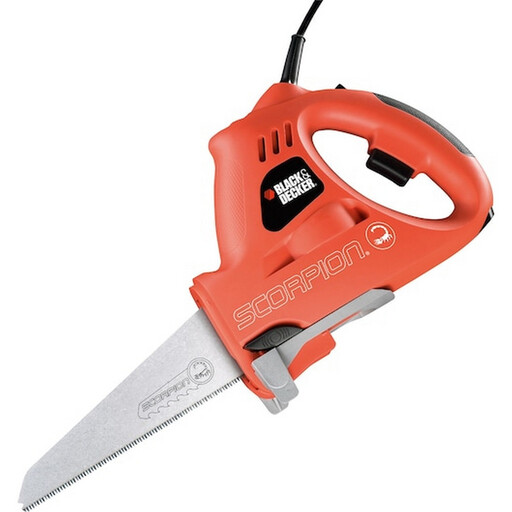
Why This Fits Their Persona: A practical starting point for homeowners handling occasional timber, plastic or metal cutting without investing in several specialist tools.
Its dual-function design and three included blades make the intended material range clearer than a single-purpose saw.
400W motor, fingertip variable speed, tool-free blade changes and a safety lock-off switch.
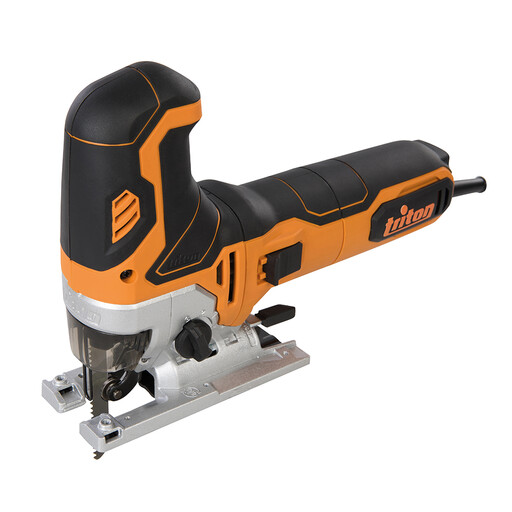
Why This Fits Their Persona: Suitable for users who want adjustable control for furniture, joinery and renovation cuts in timber and metal.
The listed cutting capacities and 800–3000spm dial provide measurable information instead of relying only on broad performance claims.
750W motor, four-position pendulum action, T-shank quick release and cutting capacities of 110mm wood, 10mm steel and 25mm aluminium.
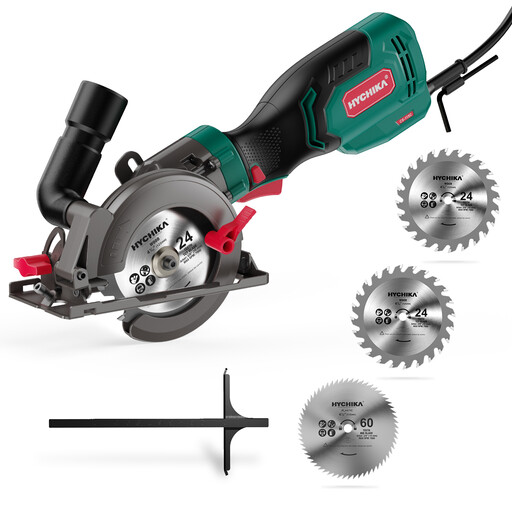
Why This Fits Their Persona: A corded option for renovation, flooring and workshop users cutting wood, soft metal, plastic, tiles or selected masonry materials.
The kit specifies separate 24T TCT, 60T HSS and grit diamond blades, helping users match the accessory to the material.
750W motor, 3,500 RPM no-load speed, 0–45° bevel adjustment and 48mm cutting depth at 90°.
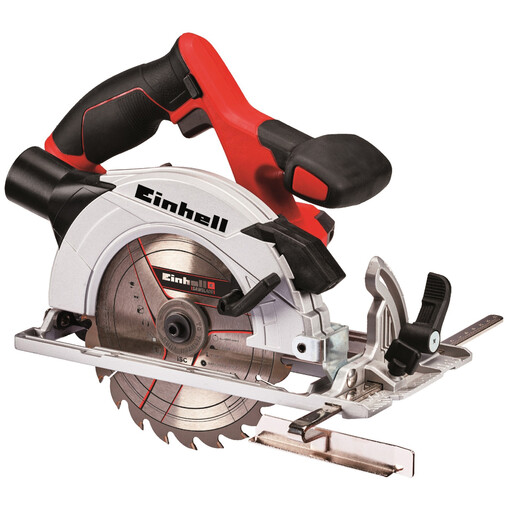
Why This Fits Their Persona: A sensible match for existing 18V Power X-Change users working between rooms, gardens and workshops.
The listing clearly identifies it as a bare unit, so existing users can budget for the battery and charger only if required.
18V platform, 4,200 RPM, 54mm depth at 90°, 35mm at 45°, LED lighting and a 36mm dust-extraction connection.
We have compiled a complete, real-time list of products that fully satisfy these strict selection criteria and UK safety regulations.
Before cutting, secure the workpiece with clamps or a vice and check that the blade guard moves freely. Wear eye protection, hearing protection and suitable respiratory protection where dust is produced. Use extraction when cutting treated timber or materials that create significant dust.
For corded tools, keep the cable away from the blade and use an appropriate extension lead. For cordless saws, remove the battery before changing blades or carrying out maintenance. Do not bypass lock-off switches, force the blade or exceed the stated cutting capacity.
Running cost is influenced mainly by electricity or battery charging, blade replacement and maintenance. Corded saws are practical for repeated work near a socket, while cordless models can reduce setup time and avoid trailing cables. A hand-operated floorboard saw has no charging cost and can be more suitable for a small isolated cut.
Some are, provided the tool and blade are specifically rated for the material. Electric handsaws and jigsaws may accept metal-cutting blades, while certain circular saw kits include HSS blades for soft metal. Check the stated capacity, select the correct blade and use appropriate eye and hearing protection.
A jigsaw uses a narrow reciprocating blade and is suitable for curves, cut-outs and shorter controlled cuts. Circular saws use a rotating round blade and are generally suited to faster, straighter cuts through boards. A guide, fence or rail can improve repeatability with circular saws.
Lifespan depends on workload, storage, blade condition and maintenance. Keep vents and dust ports clear, replace worn or damaged blades, inspect guards and store the tool in a dry place. Choosing a saw with the correct capacity for the job also reduces unnecessary strain on the motor.