
24/7 Customer Support

Free returns

Same-day & Next-day Delivery

Quality Guaranteed

Unlock Your Welcome Offers: FREE Delivery | Up to 80% OFF | Free 30-day JoyPlus trial
Download the APP
Navigating the world of prams and pushchairs UK can feel overwhelming, especially as your family's needs change. Whether you're a first-time parent searching for the perfect single buggy or managing the logistics of a newborn and a toddler, finding the right travel solution is key. This guide is designed to cut through the clutter, offering practical advice to help you compare different types of pushchairs and strollers and find a model that fits your lifestyle.
Before diving into specific models, it's helpful to understand the key features that will make a difference in your day-to-day life.
In the UK, safety is paramount. All pushchairs sold must comply with the EN 1888:2018 safety standard, which covers everything from structural integrity to harness safety. For newborns, a pushchair must have a seat that reclines completely flat to support their developing spine and ensure their airways remain open. Many models are suitable from birth, but always check the manufacturer's specifications. As your child grows, you'll want a seat that can adjust to an upright position.
Your family structure dictates the type of pushchair you'll need.
lightweight stroller or a compact pushchair if you frequently use public transport or have limited storage space. An umbrella-fold mechanism can be particularly useful for quick trips.tandem pushchair places one child in front of the other. Tandem models are often narrower and easier to navigate through doorways. A pushchair for newborn and toddler is a common requirement, and many tandem designs cater to this with different seat configurations.buggy board is an excellent solution. These platforms attach to the back of your pushchair, allowing an older child to stand and ride along. A universal stroller board is designed to fit a wide range of models.Consider your typical environment. If you're navigating city pavements and shops, a lightweight model with swivel wheels offers great manoeuvrability. For country walks or rougher terrain, look for pushchairs with larger wheels and good suspension to ensure a smooth ride for your little one. The folding mechanism is also crucial—a one-hand fold can be a lifesaver when you're holding a baby.
Here are a few options that cater to different family needs, from a single compact stroller to solutions for a growing family.
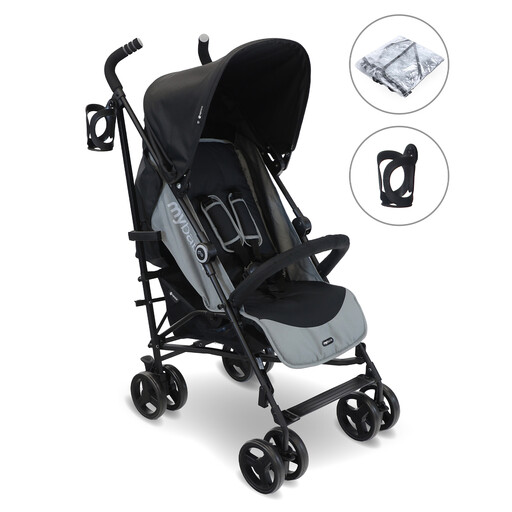
Why It Stands Out: This stroller combines a lightweight frame with features typically found in larger models. Its suitability from birth and compact umbrella fold make it a versatile choice for parents who need a practical, all-in-one solution.
Pros:
Who is it for? Parents in need of a single, lightweight stroller that is suitable from birth and easy to store. It's a great fit for urban living, travel and everyday errands.
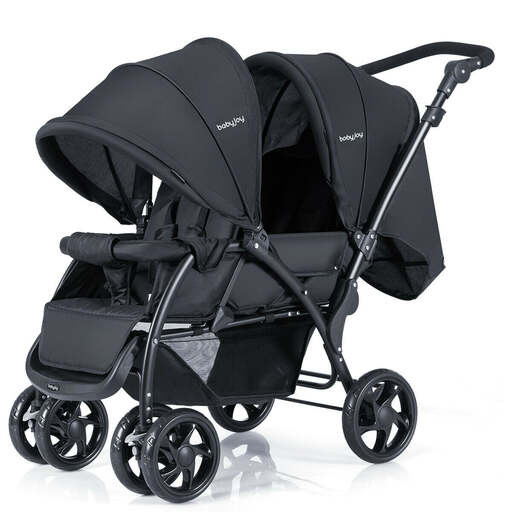
Why It Stands Out: This tandem pushchair is designed specifically for families with two young children of different ages. Its narrow frame and adjustable features provide a practical way to transport both a baby and a toddler simultaneously.
Pros:
pushchair for newborn and toddler.Who is it for? Growing families with two children under the age of four. Its tandem design makes it a good choice for navigating shops and doorways more easily than a side-by-side model.
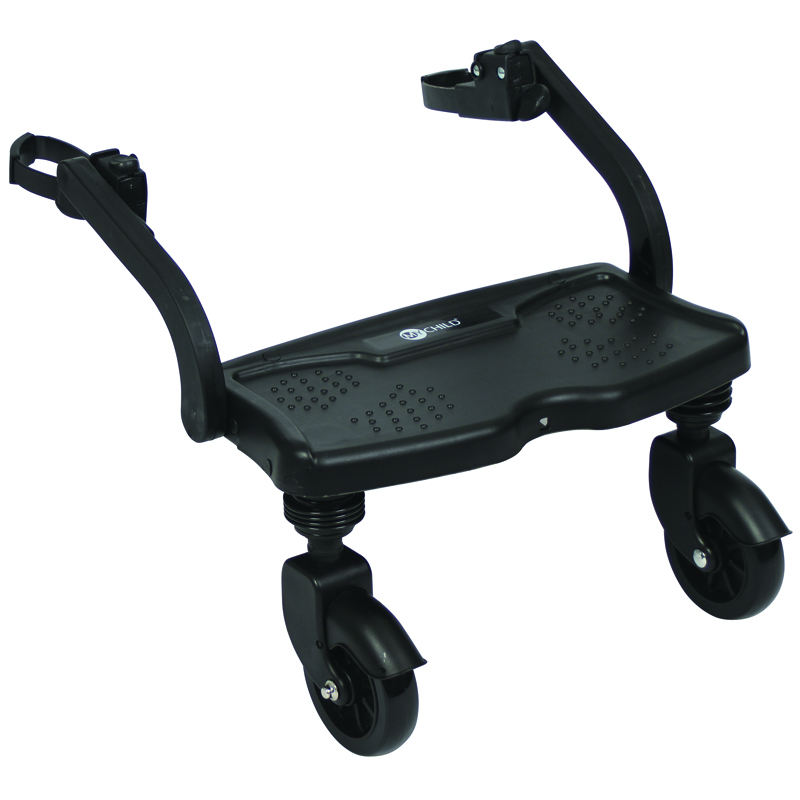
Why It Stands Out: This buggy board is a clever and cost-effective accessory that extends the usefulness of your existing single pushchair. It provides a safe and fun way for a tired toddler to ride along, eliminating the need to upgrade to a double pushchair.
Pros:
universal stroller board.Who is it for? Parents with a baby in a pushchair and a toddler (from 2 years up to 20kg) who is too independent for a seat but still needs a lift on longer walks.
The models highlighted here are just a starting point. Every family's needs are unique, and the right pushchair is one that fits seamlessly into your life. If you're still exploring, you can browse a wider selection of models to find the perfect match.
[Explore our full range of stroller pushchairs here](https://www.joybuy.co.uk/explore/stroller-pushchair/ggd54G33)
1. What is the difference between a pram, pushchair, and stroller? Historically, a pram was a lie-flat carrier for newborns, while a pushchair had an upright seat for older babies. Today, the terms are often used interchangeably. Most modern prams and pushchairs UK are convertible systems with seats that adjust from lie-flat to upright, making them suitable from birth through the toddler years. "Stroller" is often used to describe a more lightweight stroller or compact pushchair model.
2. At what age can my baby sit upright in a pushchair? A baby can typically start sitting in a more upright position once they have strong head and neck control, which usually happens around 6 months of age. Before this, it is important to use a fully lie-flat seat to protect their developing spine and ensure their breathing is not restricted.
3. How do I clean and maintain my pushchair? Always refer to the manufacturer's instructions. Generally, fabric parts can be spot-cleaned with a damp cloth and mild soap. Removable covers may be machine washable on a gentle cycle. Regularly check the wheels for debris, inspect the frame for any loose parts and ensure the brakes are functioning correctly to keep your pushchair in safe working order.