
24/7 Customer Support

Free returns

Same-day & Next-day Delivery

Quality Guaranteed

Unlock Your Welcome Offers: FREE Delivery | Up to 80% OFF | Free 30-day JoyPlus trial
Download the APP
Prawn crackers are a convenient choice for parties, lunchboxes, film nights and everyday snacking. However, the packet size and flavour name do not always tell you what you are buying. A small bag may contain a highly seasoned snack, while a larger-looking pack may offer fewer crackers than expected. Comparing the ingredients, origin and serving format helps UK shoppers avoid paying for the wrong texture or flavour.
A stronger seafood taste does not necessarily mean a higher prawn percentage. Product recipes vary considerably. For example, some crackers list around 5.5–6.2% shrimp or prawns, while others list 15–18%. Seasoning, flavour enhancers, garlic, chilli and seafood powders can also influence the overall taste.
If you prefer a noticeable prawn flavour, check the quantitative ingredient declaration rather than relying only on phrases such as “rich seafood flavour”. A lower percentage may still suit shoppers who prefer a milder snack.
Traditional tapioca-based crackers are often light and airy, whereas wheat-based shrimp crackers can be denser and more strip-like. Some products are puffed or baked, while others use vegetable oil in their production. “Crispy” is a broad description, so check whether the product is presented as jumbo, airy, individually wrapped or shaped into sticks.
Moisture is another frequent problem. Even a fresh unopened pack can lose its crunch quickly after opening if it is left exposed to humid kitchen air.
Prawn crackers commonly contain crustaceans, but some also include wheat, gluten, soy, fish, egg, milk or sesame. Korean shrimp crackers may include anchovy, bonito or tuna ingredients, while spicy varieties can contain fish sauce powder or soy sauce powder.
Always read the full UK-compliant label and allergen statement on the packaging. Some products also contain specified colours with precautionary wording concerning children’s activity and attention. This is particularly relevant when choosing snacks for family gatherings or lunchboxes.
Look for the main starch or flour first. Tapioca starch is associated with the classic puffed prawn cracker texture, while wheat flour commonly creates a firmer, shaped crisp. Then compare the stated prawn or shrimp percentage.
For example:
Classic, salted and original varieties are generally easier to serve to a mixed group. Spicy prawn crackers can include chilli, kimchi, black pepper, Tom Yum or chilli crab seasoning, each offering a different type of heat.
Check the ingredient list for the flavour direction:
A 36–40g pack is convenient for one person, a lunchbox or a trial purchase. Packs from 70–100g are more suitable for sharing, while a prawn cracker multipack provides variety or additional portions without committing to one flavour.
After opening, reseal the bag tightly or move the crackers to an airtight container. Follow the storage instructions and consume promptly for better crispness. Do not eat products if the packaging is damaged, swollen or the contents have an unusual odour or soggy texture.
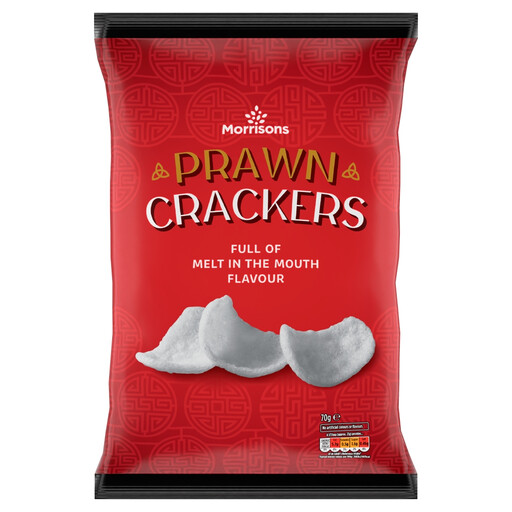
Why This Fits Their Persona: A straightforward option for first-time buyers seeking a classic, ready-to-eat snack for sharing or casual home use.
The declared recipe identifies tapioca starch and 18% prawn, making the ingredient profile easier to compare than a vague flavour-only description.
70g sharing pack; contains no artificial colours or flavours according to the supplied product details.
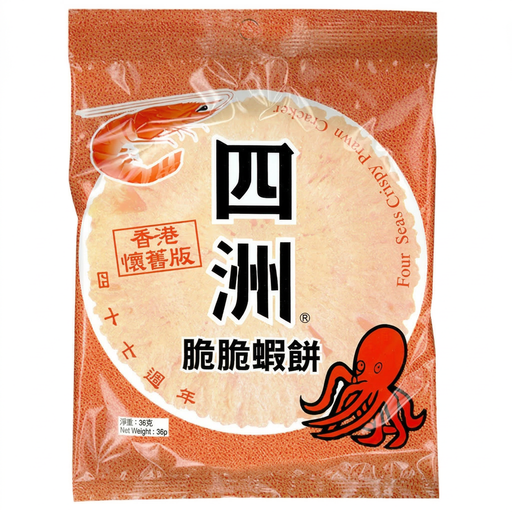
Why This Fits Their Persona: Individually wrapped pieces suit shoppers who value portability, neat serving and a consistently crisp snack.
The 36g format reduces the need to repeatedly reopen a large bag, helping limit exposure to moisture between portions.
Uses shrimp meat; the supplied details describe a non-fried puffing process and individually wrapped packaging.
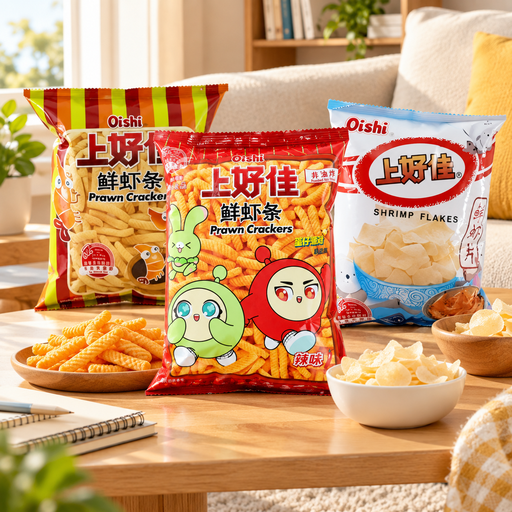
Why This Fits Their Persona: A practical choice for parties, office snack drawers or households wanting several Asian prawn snack formats in one purchase.
The 120g total is divided into three 40g packs, so shoppers can open different flavours without exposing the entire quantity to air.
Includes classic prawn crackers, prawn strips and spicy prawn strips; each variety contains a stated shrimp percentage.
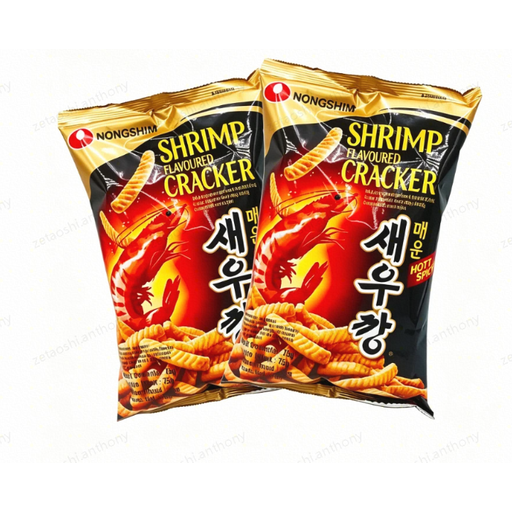
Why This Fits Their Persona: Suitable for Korean food enthusiasts and spice-focused snackers who want a bold, tangy option with two 75g packs.
The product description specifies a hot kimchi seasoning profile and baked preparation, rather than leaving the heat level unclear.
Made in the Republic of Korea; contains 8.3% shrimp and uses a distinctive ridged, fry-shaped format.
We have compiled a complete, real-time list of products that fully satisfy these strict selection criteria and UK safety regulations.
Yes. The products listed here are ready to eat directly from the packet. They do not require frying, baking or other preparation. Once opened, reseal the pack or transfer the contents to an airtight container to help retain crispness.
This depends on humidity, packaging and storage. Many product instructions recommend consuming them promptly, while some supplied guidance suggests using opened packs within two to seven days. For the most consistent texture, keep them sealed in a cool, dry place and follow the date and storage information printed on the pack.
Prawn crackers can present a choking risk because of their shape and texture. Product information supplied for several varieties states that they are not suitable for children under four. Check the packaging, supervise young children where appropriate and review allergens carefully, especially crustaceans, wheat, soy, fish and egg.
When comparing prawn crackers online, focus on the ingredient percentage, starch base, seasoning, pack format and allergen declaration. That approach makes it easier to choose between classic seafood snacks, spicy prawn crackers, Korean shrimp crackers, Thai-style flavours and jumbo prawn crackers without relying on exaggerated packaging claims.