People eating before a gym session
How soon you will exercise matters more than a bar’s fitness branding. Compare the portion’s carbohydrate and fat with your eating window, particularly if you find richer snacks uncomfortable before training.


Choose a snack-bar portion by how long you have before training, not by a protein claim alone. For a window of around two to three hours, the British Dietetic Association advises a lower-fat, carbohydrate-rich snack or light meal; closer to exercise, check the bar’s fat content, portion size and how you tolerate it. A nut- or protein-led bar may suit a longer eating window, but it is not automatically the right choice immediately before a session.
How soon you will exercise matters more than a bar’s fitness branding. Compare the portion’s carbohydrate and fat with your eating window, particularly if you find richer snacks uncomfortable before training.
A multipack of single portions is easy to divide between a bag and home. Check whether the nutrition panel describes one bar, two bars or the whole pack before deciding what to take.
Choose by the exact flavour and its current ingredient list, rather than a claim associated with the brand. Oats, soya, peanuts, tree nuts and milk feature in different bars covered here.
Start with the time until exercise and the portion you expect to eat. Then compare the nutrition and ingredient information for that portion, rather than treating every bar in a multipack as interchangeable.
| Priority | What to check | Your needs |
|---|---|---|
| Eating window | Check the time until exercise, carbohydrate per stated portion and fat per portion. The British Dietetic Association advises a lower-fat, carbohydrate-rich snack or light meal around two to three hours beforehand. | With a longer gap before training, I can compare a cereal or oat bar as part of that snack. If the session starts soon, I do not want to assume a dense bar will suit me. |
| Protein and fat | Read protein, carbohydrate and fat together for the same bar size. Check whether the protein comes from ingredients you need to avoid, such as nuts or soya. | Protein matters to me, but I also need to know whether a nut-led bar fits the time I have to eat it before exercise. |
| Portion and label | Confirm the number and weight of bars, then distinguish per-bar figures from a two-bar serving. Compare sugars and fibre alongside the rest of the nutrition panel. | I want to carry one portion without mistaking a multipack total or a two-bar serving for the contents of a single wrapper. |
| Ingredients | Read the exact flavour’s ingredient and allergen statements, including any “may contain” wording. Recheck the pack when buying a different variant. | A vegan or gluten-free claim does not answer every ingredient question I may have, particularly if I must avoid a specific allergen. |
“Protein”, “natural” and fibre claims describe particular features, not the whole portion. In its November 2025 survey, Action on Sugar classified 37% of the supermarket snack bars it assessed as high in sugars under UK traffic-light thresholds.
Compare carbohydrate, sugars, fat, protein and fibre for the amount you will actually eat.
Nut-and-protein bars can contain appreciable fat. That deserves attention when your eating window is short: the British Dietetic Association’s guidance for around two to three hours before exercise specifies a lower-fat, carbohydrate-rich snack or light meal.
Check the fat per bar and try an unfamiliar product at its intended timing on an ordinary training day.
Recipes and allergen statements differ between products. A claim on one vegan or gluten-free multipack does not establish the ingredients of another flavour.
Read the current pack for the exact bar, including its ingredients and “may contain” statement.
If the bar or eating time does not suit you, the remaining portions may go unused.
Try one portion at the time you expect to eat it before committing to a larger multipack. Seek individual advice if a medical dietary need affects your choice.
Pack formats and nutrition figures below refer to named products, not every bar made by the brand. Check the current label when comparing flavours.
Nature Valley’s Crunchy Variety Family Pack contains 20 bars arranged as 10 two-bar portions, according to Nature Valley UK.
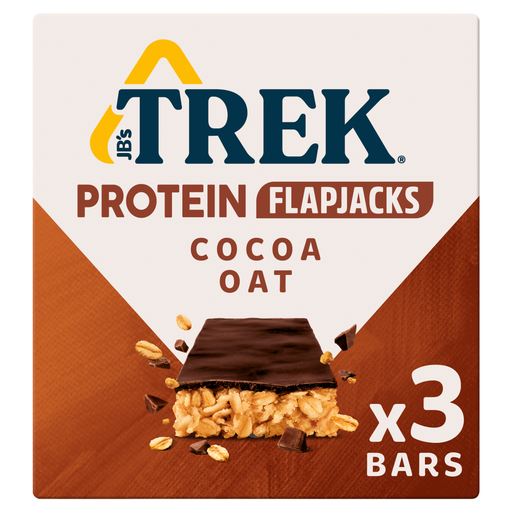
The TREK Cocoa Oat Protein Flapjacks multipack contains three 50g bars; Tesco Groceries lists 9g plant protein per bar.
Nakd’s Peanut Butter Protein multipack contains three 45g fruit-and-peanut bars; Tesco Groceries lists plant protein for this named product.
Tesco Groceries lists Eat Natural’s Peanuts, Almonds & Salted Caramel protein bars as a three-pack of 40g bars, with 10.4g protein per bar.
Tesco Groceries lists Graze Cocoa Vanilla Oat Boosts as four 30g flapjack bars, with 116 kcal stated per bar.
Alpen’s UK material describes a wholegrain muesli range. If considering an Alpen bar, compare the exact product and portion rather than transferring information from its muesli.
These Trek, Graze and Nakd multipacks offer different bar sizes and flavours to compare for a portable pre-workout snack. Their pack formats are a starting point; use the exact product label to decide whether a portion suits your eating window and dietary requirements.
 No image available
The three-bar pack gives you 50g portions to plan around separate sessions. Check carbohydrate, fat and allergens on this flavour’s label before deciding how close to exercise to eat one.
 No image available
For a longer eating window, this three-bar oat-flapjack pack offers separate 50g portions. Tesco Groceries lists 9g plant protein per bar for this Cocoa Oat variant; compare its carbohydrate, fat and allergen information as well.
 No image available
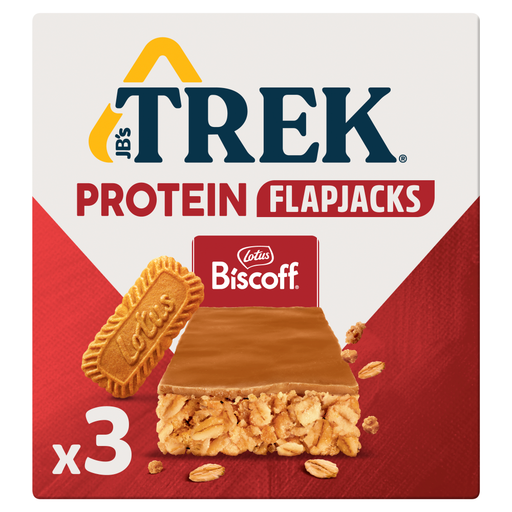
This pack contains three 50g flapjacks. Before choosing one for a short pre-workout window, check the current per-bar carbohydrate and fat figures and the full allergen statement.
 No image available
The four 30g bars offer a smaller stated portion than the 50g Trek flapjacks above. Compare the Lemon Blueberry label on its own terms, including carbohydrate, fat and allergens, rather than using figures from another Oat Boosts flavour.
 No image available
This fruit-and-nut multipack contains four 35g bars. Check the Blueberry Muffin ingredients and per-bar nutrition directly: figures for Nakd’s Peanut Butter Protein bar do not apply to this variant.
Match the portion to your eating window rather than using one timing rule for every bar. The British Dietetic Association advises a lower-fat, carbohydrate-rich snack or light meal around two to three hours before exercise; closer to a session, the bar’s fat content and your tolerance become particularly important.
Not automatically. The British Dietetic Association describes carbohydrate as the main fuel source for exercising muscles, so compare carbohydrate and fat as well as protein. A nut-led protein bar may fit a longer eating window but can be a less straightforward choice immediately before vigorous exercise.
Do not assume a dense oat, nut or protein bar will suit that short window. University College London Hospitals NHS Foundation Trust distinguishes snacks close to exercise from earlier carbohydrate-and-protein choices; consider the session and your own tolerance, and seek individual advice if glucose management affects what you eat.
Read the current ingredients and any “may contain” statement for the exact flavour. GOV.UK explains that UK prepacked foods must clearly identify regulated allergens present as ingredients; a brand name or a vegan claim is not a substitute for checking the product you intend to buy.
No. Compare carbohydrate, sugars, fat, protein and fibre for the portion you will eat. Action on Sugar’s November 2025 survey classified 37% of the supermarket snack bars it assessed as high in sugars under UK traffic-light thresholds, illustrating why one front-of-pack claim cannot describe the whole nutrition panel.