People tracking caffeine
Look for a caffeine amount tied to a stated serving, then count other caffeinated drinks or supplements you use that day. A description such as ‘strong’ does not give you a measurable portion.


Choose a cold-brew concentrate if you want to mix your own drink, or a ready-to-drink cold brew if you need to take it with you without preparing it. Instant-style coffee can also make a quick cold drink, but dissolving or diluting it in cold water does not establish that it was cold-brewed. For a pre-workout choice, check the caffeine in the portion you will actually use, the exact ingredients and whether the product is a non-alcoholic coffee drink.
The useful distinction is how you prepare and portion the coffee, not whether its packaging is a jar, bottle or pouch.
Look for a caffeine amount tied to a stated serving, then count other caffeinated drinks or supplements you use that day. A description such as ‘strong’ does not give you a measurable portion.
A ready-to-drink bottle avoids mixing. A concentrate or portioned instant coffee can also be prepared quickly if you have water and a suitable container.
Check the exact variant rather than relying on ‘cold coffee’ in the name. Flavoured concentrates may have different ingredients, while ready-to-drink lattes contain milk or an alternative.
Choose the preparation format first, then compare the stated serving, ingredients and opened-pack instructions for the exact product.
Consider it when: You want cold-brewed coffee that you can dilute to make a drink at home.
Trade-off: It needs mixing, and a product may not declare caffeine for the portion you pour.
Consider it when: You need a cold coffee you can take with you and drink without dilution.
Trade-off: A prepared bottle gives you less control over portion size than a concentrate.
Consider it when: Fast preparation from a small capsule, stick or measured liquid portion matters more than cold-brew extraction.
Trade-off: Coffee that mixes with cold water is not necessarily cold-brewed; caffeine and ingredients also vary by product and flavour.
| Priority | What to check | Your needs |
|---|---|---|
| Caffeine portion | Find the caffeine amount and the volume it refers to. Measure a concentrate against its stated serving and include caffeine from other drinks or supplements in your daily total. | I want to know how much caffeine is in the portion I will drink, rather than judging it by words such as ‘strong’. |
| Preparation | Check whether the coffee is ready to drink, needs dilution or must be stirred into water. For a concentrate, follow the product’s mixing directions. | If I am leaving for a session, can I prepare this with the water and container I will have, or do I need a ready-to-drink bottle? |
| Ingredients | Read the exact variant’s ingredients and nutrition information for sugar and milk or oat ingredients. Check the product category and alcohol-by-volume declaration to distinguish a coffee drink from a liqueur. | I want the coffee format and ingredients I intended to buy, without mistaking a flavoured latte or alcoholic product for black coffee. |
| Opened-pack storage | Check whether refrigeration is required and when the pack must be used after opening. Compare those instructions with its volume and stated number of servings. | Will I use enough of the pack within its opened-pack period, or would individual portions suit how often I drink it? |
Tesco lists Tia Maria Cold Brew Coffee Liqueur at 20% Alc/Vol. The words ‘cold brew’ alone do not identify the product as a coffee drink for this purpose.
Check the product category and alcohol-by-volume declaration; choose a non-alcoholic coffee drink or concentrate for a pre-workout coffee.
Caffeine figures refer to particular portions: Grind states 101mg for a 62ml serving, while NESCAFÉ gives approximately 87mg for a serving of its Iced Classic Unsweetened concentrate. Those figures do not describe an arbitrary pour.
Start with the maker’s serving directions and account for other caffeine you consume that day.
NESCAFÉ’s Caramel espresso concentrate lists sugar among its ingredients. Its stated caffeine amount also differs from that of Iced Classic Unsweetened.
Read the ingredients and serving information on the exact flavour you plan to use.
Tesco’s instructions for its Finest concentrate say to refrigerate it after opening and use it within four weeks; Tesco’s Grind listing says to refrigerate and use that concentrate within seven days.
Compare the opened-pack period with how many servings you expect to make.
Coffee left in the pack after its stated use-within period may go to waste.
These examples show how particular product lines differ; a brand name alone does not establish caffeine content, ingredients or preparation method across every variant.
Tesco’s unsweetened cold-brew concentrate is an example of coffee intended to be diluted before drinking.
Grind’s cold-brew concentrate suits a comparison based on a stated serving and caffeine amount.
The Iced Classic Unsweetened espresso concentrate is a quick-mixing option, not an example of cold-brew extraction.
The researched Sandows product is a black, ready-to-drink cold brew rather than a concentrate.
M&S Food’s ready-to-drink cold-brew lattes are a different choice from an unsweetened black coffee.
These individually portioned instant or concentrated coffees can be prepared with cold water. They are options for a quick cold drink, not substitutes for a confirmed cold-brew concentrate or a ready-to-drink bottle; check the exact portion’s caffeine information if you need to track it.
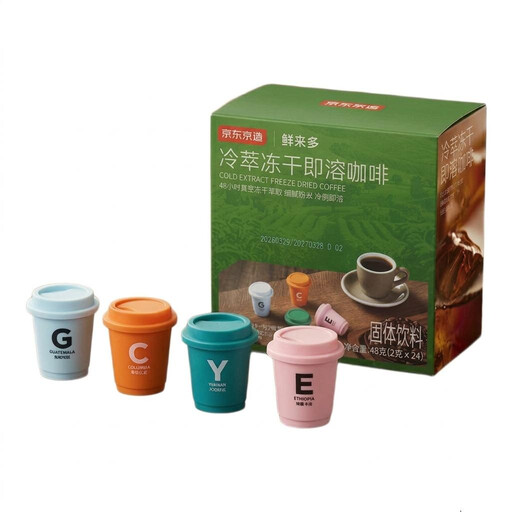 Image unavailable
An individually portioned option for stirring into cold water when you want to make coffee before leaving home. The product information describes one 2g capsule per preparation. Check the caffeine amount per capsule and the selected flavour if those details matter to your choice; cold-water preparation does not establish cold-brew extraction.
 Image unavailable
The portioned liquid is intended for mixing with cold water; its product description directs users to dilute one 25ml pouch in about 200ml of water. The product name uses ‘Cold Brew’, but the description also calls it instant soluble coffee, so do not assume cold-brew extraction. Check caffeine per pouch if you need to count your intake.
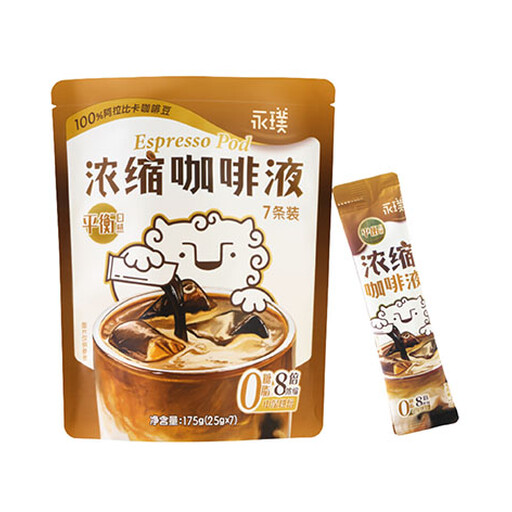 Image unavailable
Seven individual sticks offer a portioned format for making a cold drink: the product description says to mix one 25g stick with cold or hot water. Check caffeine and sugar information for the exact stick if they affect your choice. Preparation with cold water does not establish cold-brew extraction.
No. Check the amount for the exact product and serving: Grind states 101mg per 62ml serving of its concentrate, NESCAFÉ states approximately 87mg per serving of Iced Classic Unsweetened, and Coffee Friend UK lists Sandows at 40.5mg per 100ml. Include other caffeinated drinks or supplements when considering your daily total.
No. A coffee liqueur is an alcoholic product, not the non-alcoholic coffee drink considered here. Tesco lists Tia Maria Cold Brew Coffee Liqueur at 20% Alc/Vol; check the product category and alcohol declaration rather than the words ‘cold brew’ alone.
Count caffeine from all the drinks and supplements you consume, not just one coffee. GOV.UK cites the European Food Safety Authority’s 2015 assessment that up to 400mg a day is unlikely to cause adverse effects for most individuals; separate GOV.UK advice says pregnant and breast-feeding women should have no more than 200mg over a day. Neither figure is a suggested pre-workout serving.
Follow the instructions for the particular pack. Tesco Groceries says to refrigerate Tesco Finest concentrate after opening and consume it within four weeks; its Grind listing says to refrigerate and consume that concentrate within seven days. Consider how often you will use the pack before choosing its size.