Who is this choice for?

People training after a long gap since eating

If you want a convenient fruit-based snack, compare what a still smoothie and a sparkling drink actually contain. University College London Hospitals advises carbohydrate and protein in a snack 60–90 minutes before exercise.

People who feel bloated after fizzy drinks

If carbonation tends to make you uncomfortable, drink format matters before a workout. The NHS identifies fizzy drinks as a possible cause of gas and bloating.

Shoppers comparing bottles by their labels

Branded and own-label smoothies can have different recipes and bottle sizes. Check the ingredients, highlighted allergens and nutrition information on the particular drink you are considering.

What should you check before buying?

Decide whether you want a snack or chiefly a fizzy drink, then check the bottle against your training time, portion and preferences.

PriorityWhat to checkYour needs
Snack and timing Check carbohydrate and protein per serving rather than relying on words such as “energise”. University College London Hospitals describes a carbohydrate-and-protein snack with minimal fat 60–90 minutes before exercise; the British Dietetic Association also discusses a light meal or snack 2–3 hours beforehand. If it has been a while since I ate, I want to know whether this drink fits the snack I am planning, rather than choosing it for its flavour alone.
Fizz and comfort Check whether the drink is still or carbonated. The NHS identifies fizzy drinks as one possible cause of gas and bloating. For a session where I do not want to risk discomfort, I would choose a format I know I tolerate.
Portion size Read the bottle volume and serving information. Public Health England’s 2018 guidance advises limiting fruit juice and smoothies together to 150ml per day, counted as one portion, and having them with meals to reduce tooth-decay risk. A whole bottle may be more than the portion I intend to have, so I want to decide how much to pour.
Ingredients Check the drink type, ingredients, nutrition panel and highlighted allergens on the individual label. M&S describes some smoothies containing yoghurt, dates and oats, while its other fruit smoothies have different formats. Before picking a bottle, I want to know what is in this recipe, especially if I need to avoid an ingredient.

What can be easy to overlook?

  • Assuming “sparkling smoothie” describes a standard drink type

    Sainsbury’s, Tesco and M&S list smoothies, while Waitrose lists sparkling juice drinks. A fizzy fruit drink should not be assumed to have the same recipe as a blended smoothie.

    Identify the drink type on the individual label, then compare its ingredients, serving size and nutrition information.

  • Trying fizz just before a demanding session

    The NHS identifies fizzy drinks as a possible cause of gas and bloating. That may matter if you already find carbonation uncomfortable while moving.

    If you are unsure how a fizzy drink feels during exercise, try it away from a demanding session or choose a familiar still option.

  • Treating the whole smoothie bottle as a portion

    M&S lists 350ml and 750ml smoothie bottles. Public Health England’s 2018 guidance advises a combined limit of 150ml of fruit juice and smoothies per day, counted as one portion, and advises having them with meals.

    Check the bottle volume and decide how much you intend to drink rather than using the bottle as a serving measure.

  • Choosing by the product name alone

    Smoothie recipes vary: M&S describes blends containing yoghurt, dates and oats, alongside other fruit smoothies. A name cannot tell you whether a particular serving fits your snack or ingredient requirements.

    Read the current ingredients, highlighted allergens and nutrition information before deciding.

Relevant smoothie brands and ranges

innocent

innocent lists fruit smoothies and super smoothies; Sainsbury’s lists Berry Energise and Green Energise variants.

  • There are several named smoothie variants to compare by their individual labels.
  • innocent says its smoothies have no added sugar, but that statement does not establish whether a particular bottle fits your pre-exercise snack.

Naked

Sainsbury’s lists Naked Blue Machine Super Smoothie among its smoothies.

  • It provides a named still-smoothie option to assess by its label.
  • Do not treat its name as evidence of the carbohydrate or protein in the serving you plan to drink.

Tesco

Tesco lists own-label smoothies, including Strawberry Sensation Smoothie 750ml, within its wider drinks range.

  • The named bottle size makes it straightforward to plan a portion before buying.
  • Check the individual product label rather than assuming a sparkling fruit drink has a smoothie’s ingredients.

Sainsbury’s

Sainsbury’s lists own-label chilled smoothies, including Mango & Passionfruit, Strawberry & Banana, and Pineapple, Banana & Coconut variants.

  • Different named recipes give shoppers ingredients to compare.
  • Check the nutrition and allergen information for the specific recipe and serving.

M&S

M&S describes ready-made fruit smoothies in 350ml and 750ml bottles, as well as some blends containing yoghurt, dates and oats.

  • The listed formats give you bottle sizes and recipes to compare.
  • Where a blend contains additional ingredients such as yoghurt or oats, check its label for the full recipe and allergens.

A sparkling fruit-drink option on Joybuy

This option represents the fizzy-fruit-drink side of the decision, rather than a still smoothie or a substitute with an assumed equivalent recipe.
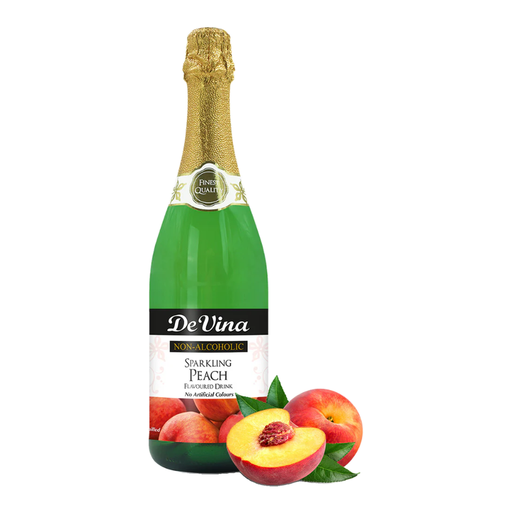
De Vina Sparkling Peach 750ml bottle

De Vina Sparkling Peach 750ml

If you want a fizzy peach drink before a shorter session, consider whether carbonation feels comfortable during exercise. This is a 750ml sparkling drink, not a still smoothie; check its label and choose the portion you intend to have.

View on Joybuy

Common questions

Is a sparkling fruit drink a direct substitute for a smoothie before exercise?

Not automatically: a sparkling fruit drink and a still smoothie may have different ingredients and nutrition information. UK retailer listings from Sainsbury’s, Tesco, M&S and Waitrose distinguish smoothie ranges from sparkling juice drinks, so compare the individual labels if you are choosing a pre-exercise snack.

When should I have a smoothie before training?

Consider it in the context of when you last ate and what the smoothie contains. University College London Hospitals describes a snack containing carbohydrate and protein, with minimal fat, 60–90 minutes before exercise; check the serving rather than assuming any smoothie meets that description.

What if fizzy drinks often leave me feeling bloated?

A familiar still drink avoids carbonation as a potential source of discomfort before exercise. The NHS identifies fizzy drinks as a possible cause of gas and bloating, so take your own tolerance into account when choosing.

Does a whole smoothie bottle count as one portion?

Do not assume it does. Public Health England’s 2018 guidance advises limiting fruit juice and smoothies together to 150ml per day, counted as one portion, and having them with meals to reduce tooth-decay risk; M&S lists smoothie bottles of 350ml and 750ml.

Where can I check allergens in a bottled smoothie?

Read the ingredients list on the particular bottle. GOV.UK guidance says the allergens required to be declared for prepacked food are emphasised within that list, which is especially worth checking when comparing different smoothie recipes.