Adults needing a snack before training
If you have not eaten recently, a portable drink may be convenient. The portion and its carbohydrate and fat matter alongside how much time you have before exercise.


A dairy milkshake can work as a pre-workout snack for an adult who tolerates milk and wants carbohydrate with some protein, but the portion needs to fit the time before training. Compare the whole serving’s carbohydrate, protein and fat, and check its ingredients; a meal or a suitable non-dairy drink may make more sense in other circumstances.
If you have not eaten recently, a portable drink may be convenient. The portion and its carbohydrate and fat matter alongside how much time you have before exercise.
A flavoured milkshake can provide both, but the amounts vary by drink and serving size. Compare what you would consume from the whole bottle rather than treating every milkshake as a protein shake or a meal.
Milk allergy, lactose intolerance and choosing not to have dairy call for different checks. The NHS distinguishes lactose intolerance from milk allergy; check the ingredients of any drink you are considering.
Start with when you plan to train and how much you would drink, then read the nutrition and ingredients information for that portion.
| Priority | What to check | Your needs |
|---|---|---|
| Timing and portion | Check bottle volume, carbohydrate and fat for the amount you plan to drink. The British Dietetic Association describes a low-fat, high-carbohydrate snack or light meal two to three hours before exercise; University College London Hospitals discusses snacks 60–90 minutes beforehand when a meal has not been eaten two to three hours before. | I want a snack that fits the gap before training without choosing a larger drink than I intend to have. |
| Protein alongside carbohydrate | Compare both nutrients per bottle, not just per 100ml. Yazoo lists 3.0g protein and 8.7g carbohydrate per 100ml for Banana, with a 200ml recommended serving; Tesco lists 3.7g protein and 11.9g carbohydrate per 100ml for a 330ml Frijj Chocolate bottle. | Some protein would be useful alongside carbohydrate, but I do not want to assume a standard flavoured milkshake has the same contents as a protein shake. |
| Sugars and ingredients | Read total sugars for the portion and look for added-sugar ingredients. Tesco lists sugar syrup and fructose in Frijj Chocolate. UK Scientific Advisory Committee on Nutrition guidance excludes lactose naturally present in milk products from its definition of free sugars, so total sugars do not give a free-sugars figure. | I want to compare what is in the drink without mistaking the label’s total-sugars figure for its added or free sugars. |
| Milk suitability | Check the current ingredients and allergen information for milk. For a lactose-free or non-dairy alternative, check that drink’s own carbohydrate and protein information too; the NHS distinguishes lactose intolerance from milk allergy. | If milk is a concern for me, I need to establish whether this particular drink is suitable rather than choosing by its flavour or appearance. |
Yazoo’s recommended Banana serving is 200ml, while the Frijj Chocolate bottle listed by Tesco is 330ml. The amount consumed changes the carbohydrate, protein, fat and sugars totals.
Use the nutrition panel to compare the portions you would actually drink, keeping the same units for each product.
A nutrition panel reports total sugars. UK Scientific Advisory Committee on Nutrition guidance does not count lactose naturally present in milk products as free sugars, while Frijj Chocolate’s listed ingredients also include sugar syrup and fructose.
Compare total sugars on the label and inspect the ingredients separately; do not treat either check as a measured free-sugars amount.
Timing and portion affect whether a drink feels comfortable during training. British Dietetic Association and University College London Hospitals guidance both distinguish a pre-exercise snack from a larger meal eaten earlier.
If you plan to use a milkshake before training, try the intended portion on an ordinary training day and allow for your own tolerance.
The NHS distinguishes the digestive symptoms of lactose intolerance from food allergy, which can cause serious reactions. Both Yazoo Banana and the Frijj Chocolate product listed by Tesco contain milk ingredients.
Do not choose a standard dairy milkshake if you have a milk allergy. Check the current label, and seek clinical advice if you suspect an allergy or are unsure about recurring symptoms.
These examples show why the exact product and portion matter; a brand name alone does not establish a drink’s suitability.
Yazoo Banana is an example of a standard dairy flavoured milkshake with a 200ml recommended serving.
The Frijj Chocolate bottle listed by Tesco is a 330ml dairy milkshake, so its whole-bottle totals matter when comparing portions.
Tesco groups ready-to-drink milkshakes, protein shakes and dairy-free drinks as distinct types, which can help frame a comparison.
These Joybuy options are milkshake-style and yoghurt drinks to consider for a pre-workout snack. Compare the portion and current label of each one against your timing, nutrition needs and dairy requirements.
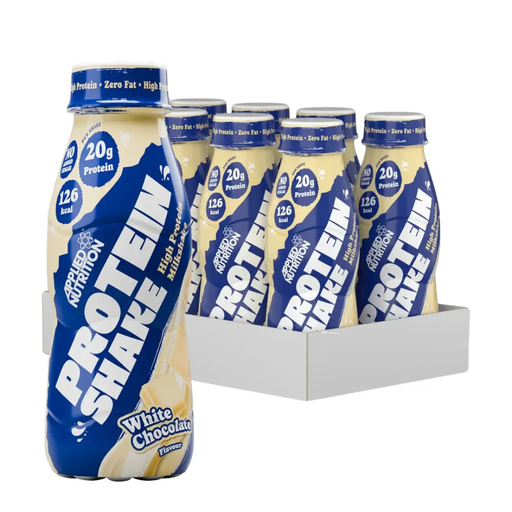 No image available
Consider the 330ml portion against the time you have before training. This pack contains eight white chocolate flavour shakes; check the current label for carbohydrate, protein, fat and milk allergens.
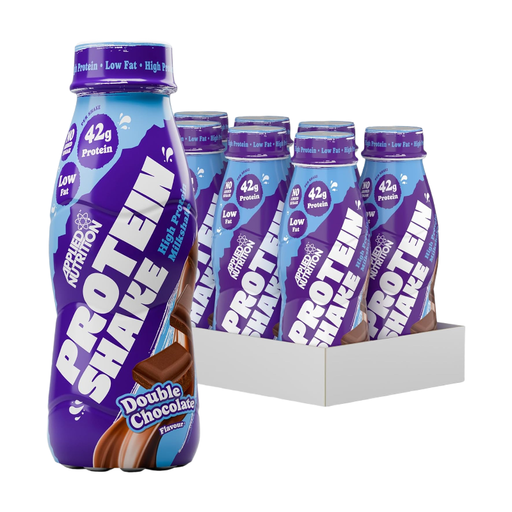 No image available
The 500ml bottle is a larger portion to consider if you want a pre-workout drink. The pack contains eight double chocolate flavour shakes; check the whole-bottle nutrition, timing and milk allergens before choosing it.
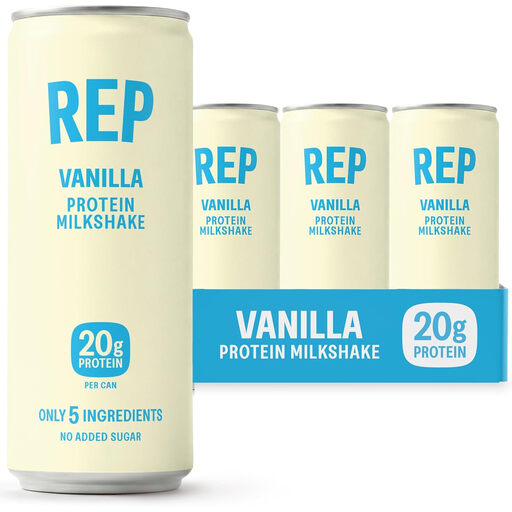 No image available
A 250ml can may suit someone comparing smaller single-drink portions before training. This vanilla flavour pack contains eight cans; compare the current carbohydrate, protein, fat, sugars and allergen information with the other options.
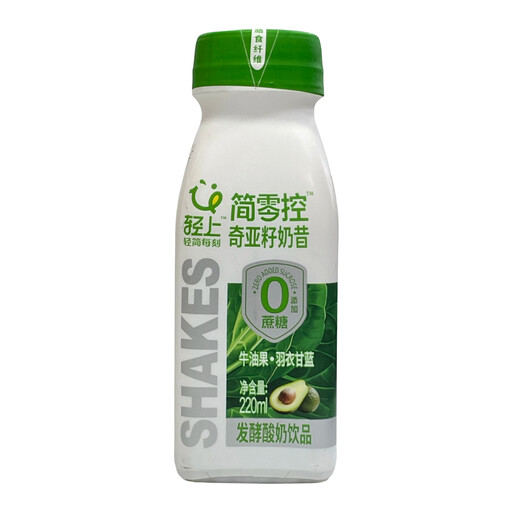 No image available
This 220ml yoghurt drink is another portion size to compare for a pre-workout snack. Check its current carbohydrate and protein values and ingredients rather than assuming it matches a dairy milkshake or protein shake.
Allow time for the portion you choose rather than assuming any bottle suits the minutes immediately before exercise. The British Dietetic Association describes a low-fat, high-carbohydrate snack or light meal two to three hours beforehand; University College London Hospitals discusses a carbohydrate-and-protein snack with minimal fat 60–90 minutes beforehand when you have not eaten a meal two to three hours before exercise.
Treat a standard milkshake as a possible snack or top-up, not an automatic substitute for a meal. Its whole-bottle nutrition, the time before training and what else you have eaten determine whether that portion fits your plans.
Check the ingredients and do not treat lactose intolerance and milk allergy as the same condition. The NHS notes that milk allergy can cause serious symptoms; Yazoo Banana and the Frijj Chocolate drink listed by Tesco contain milk. If you suspect an allergy, seek clinical advice rather than testing a standard dairy milkshake.
Follow the directions on the bottle you buy. Yazoo says to refrigerate its drinks after opening and consume them within three days; do not apply that instruction to another product without checking its own label.