What matters when choosing a snack?
Start with the allergen you need to avoid, then check any gluten-free requirement and how the whole snack fits your plans before exercise.
| Priority | What to check | Your needs |
|---|
| Peanuts and tree nuts |
Read the ingredients and allergen information for the particular allergen you avoid. Check any “may contain” or “not suitable for” wording; peanuts and tree nuts are listed as distinct allergens by the Food Standards Agency. |
I need to know whether this exact snack contains, or carries a precautionary statement about, the allergen I avoid. A broad free-from claim cannot answer that question. |
| Gluten-free claim |
Check the current pack for an explicit gluten-free claim if you require one. The Food Standards Agency defines that claim as no more than 20 mg/kg gluten in the food as sold; check other allergens independently. |
When I need gluten-free assurance, I cannot tell from the fact that a snack is made with nuts, or from a vegan claim. |
| Workout timing |
Consider the time before exercise and the whole snack, not just its nut content. University College London Hospitals NHS Foundation Trust describes carbohydrate, protein and minimal fat for its 60–90-minute pre-exercise snack pattern. |
If I am eating before training, I want to see whether the complete snack fits the timing rather than assuming nuts work on their own. |
| Current pack details |
Check the pack at purchase and before eating, including when you change flavour or pack size. KP Snacks and Sainsbury's advise checking current product information because ingredients can change. |
An online listing or a pack I bought previously is not enough for the product in my hand today. |
Brand and retailer references
A range or retailer category is a starting point for finding snacks, not a substitute for checking the individual pack.
KP
KP Snacks lists original salted, dry roasted and honey roast peanut snack packs.
- The range offers different peanut flavours and pack formats.
- KP Snacks advises shoppers for whom ingredients and allergens matter to double-check each pack before purchase; do not transfer a label judgement between flavours.
Tesco
Tesco lists nuts and nut mixes separately from its wider Free From range.
- Its nut category includes plain, salted, honey-roasted and flavoured options, giving shoppers distinct product labels to compare.
- Tesco describes Free From options for gluten, wheat, milk and egg; that range description does not make an individual product nut-free.
Sainsbury's
Sainsbury's provides allergen information for its own-brand and in-store prepared products.
- Its product lists offer a way to identify items to check more closely.
- Sainsbury's says ingredients can change and warns of cross-contact risk in open preparation areas. Check the current packaging rather than relying solely on a list.
M&S
M&S lists natural nuts, including gluten-free options, within its food range.
- The natural-nuts range offers individual products whose labels can be checked against a specific dietary requirement.
- M&S says its stores handle major allergens and cannot guarantee that food is allergen-free. It advises checking ingredients before buying.
Planters
Planters presents its peanut brand with a US focus.
- Planters directs shoppers to the nutrition label for details of a particular product and serving size.
- For a UK free-from decision, use the ingredients and allergen information on the specific pack rather than assuming that information for another market applies.
Joybuy snack options
These options include peanut snacks, tree nuts and a seed blend. If you avoid any of those ingredients, check the current pack before considering a product; none of these titles alone establishes gluten-free or other allergen suitability.
 No image available
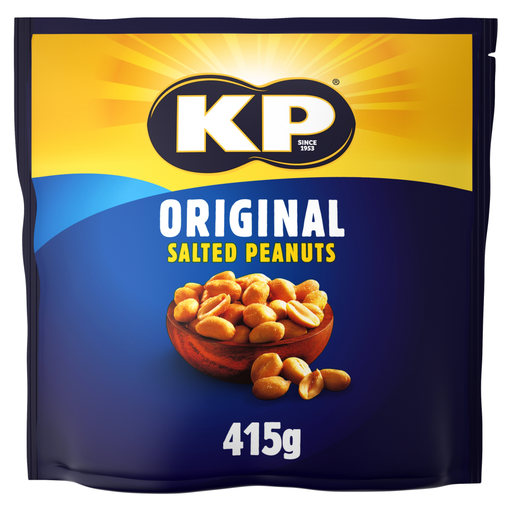
KP Original Salted Peanuts 415g
A peanut option for someone who can eat peanuts and wants to assess a nut snack before exercise. It contains peanuts, so check the current pack for any other allergens and whether the whole snack fits your timing.
View on Joybuy
 No image available
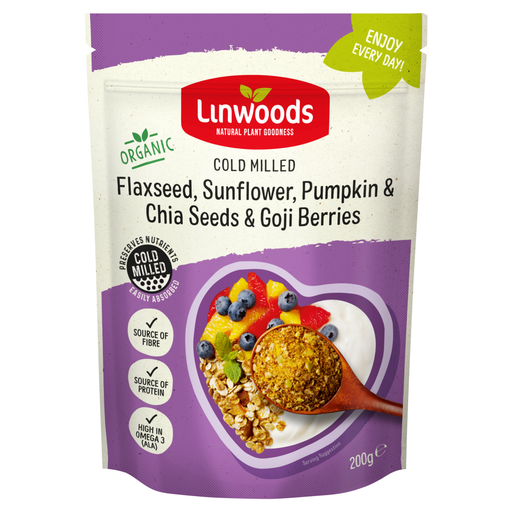
Linwoods Flaxseed, Sunflower, Pumpkin & Chia Seeds with Goji Berries 200g
This seed and goji berry blend is a different format from a packet of nuts. If you are avoiding nuts, sesame or soya, check the current pack's ingredients and precautionary allergen wording before deciding whether it meets your requirements.
View on Joybuy
 No image available
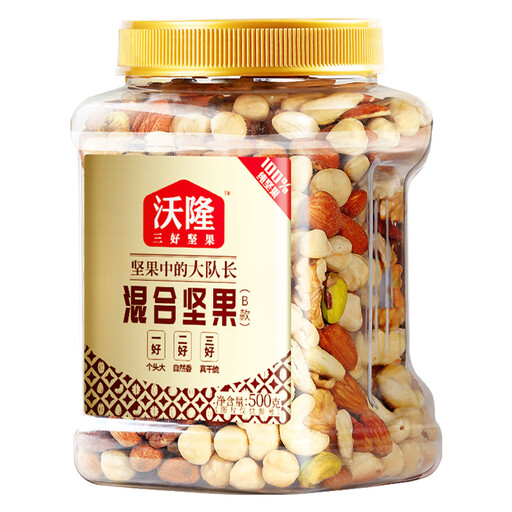
Wo Long Assorted Pure Nuts, 500g tin
This mixed-nut tin is for consideration only if its tree-nut ingredients meet your dietary requirements. Check the pack for the particular nuts, other allergen statements and nutrition information relevant to your snack timing.
View on Joybuy
 No image available
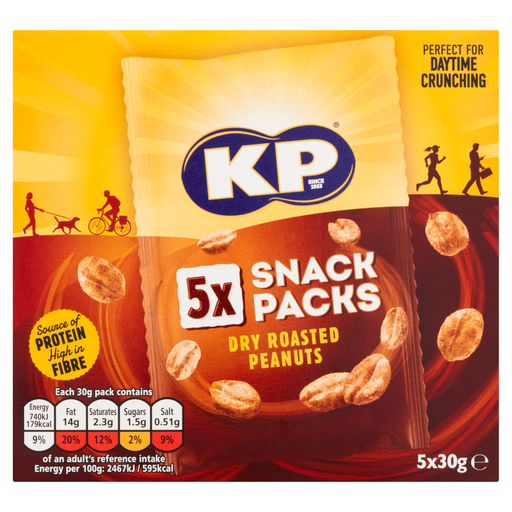
KP Dry Roasted Peanuts, 5 × 30g
The five 30g bags offer a smaller pack format to consider for a pre-exercise snack. They contain peanuts; check this seasoned product's current ingredients and allergen information rather than assuming it shares another KP flavour's labelling.
View on Joybuy
 No image available
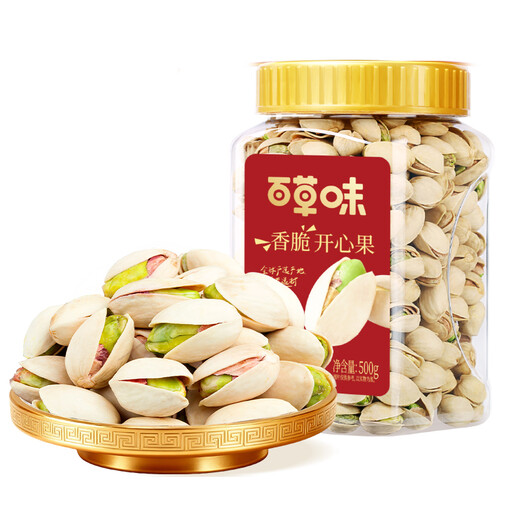
BE&CHEERY Pistachios 500g
Pistachios are tree nuts, so this is not a choice for someone who must avoid pistachios. If you can eat them, check the current pack for other allergen information and consider the whole snack against your workout timing.
View on Joybuy
Questions about allergens and timing
Are peanuts and tree nuts the same allergen?
No. The Food Standards Agency identifies peanuts as legumes and distinguishes them from tree nuts such as almonds and cashews. Check the label for the particular allergen you avoid rather than treating the two names as interchangeable.
Does gluten-free mean a nut snack is nut-free?
No. The Food Standards Agency defines gluten-free by the food's gluten content, not by whether it contains peanuts or tree nuts. Read the complete ingredients and allergen information if you also avoid those allergens.
What does “may contain” mean for a nut allergy?
It flags possible unintended allergen presence rather than an ingredient deliberately included in the recipe. The Food Standards Agency describes precautionary labelling in the context of cross-contact risk, so do not ignore the wording simply because the allergen is absent from the ingredients list; follow your established avoidance advice if its relevance is unclear.
Can an online allergen list replace the pack label?
No. Check the pack at purchase and before eating, particularly if the flavour or pack size changes. KP Snacks and Sainsbury's advise shoppers to check current product information, and M&S advises checking ingredients before buying.
Are nuts enough on their own before exercise?
Do not assume they are. For a snack 60–90 minutes before exercise, University College London Hospitals NHS Foundation Trust describes a pattern containing carbohydrate and protein with minimal fat. Assess the whole snack, its nutrition panel and when you plan to eat, rather than judging it by the nuts alone.


