
24/7 Customer Support

Free returns

Same-day & Next-day Delivery

Quality Guaranteed

Unlock Your Welcome Offers: FREE Delivery | Up to 80% OFF | Free 30-day JoyPlus trial
Download the APP
A pre-workout supplement can be useful when you want a convenient source of caffeine, creatine, amino acids or electrolytes before training. However, the label does not always make comparison easy. Large tubs, bold claims and long ingredient lists can distract from the details that affect suitability, cost and everyday use.
Whether you train before work, lift after a UK office shift or prepare for high-intensity sessions at the weekend, check these common pitfalls before buying.
A 375g container may look economical, but the number of servings depends on the serving size. One product may use 10.5g per serving, while another requires 15g. Always calculate:
Total weight ÷ serving size = approximate servings
Also check whether the scoop size is approximate. For some formulas, using digital scales can provide a more consistent portion than relying on a loose scoop.
A caffeine pre-workout may contain 100mg, 200mg or 250mg per serving. That amount should be considered alongside coffee, tea, energy drinks and other supplements consumed during the day.
High-caffeine products are intended for adults and may not suit people who are sensitive to stimulants or train late in the evening. Read the warning panel carefully and avoid combining products unless a healthcare professional has advised you to do so.
A formula can list citrulline, creatine, beta-alanine and taurine without providing useful quantities. Compare the per-serving amounts, not just the ingredient names. A shorter label with clearly stated quantities may be easier to assess than a long proprietary blend.
For a stronger stimulant option, Applied Nutrition ABE pre-workout provides 200mg caffeine per 12.5g serving, while the Optimum Nutrition ready-to-drink formula provides 100mg per 250ml can. Applied Nutrition Pump 3G lists 250mg per 15g serving.
These are materially different strengths. A lower-caffeine drink may be more convenient for daytime use, while a higher-caffeine powder may appeal to adults who already understand their tolerance. Follow the product directions and consider avoiding caffeine close to bedtime.
A pre-workout powder may combine several commonly used sports nutrition ingredients:
Do not assume that combining several products is automatically appropriate. Check for duplicated caffeine, beta-alanine, taurine or other ingredients.
For vegan or Halal shoppers, look for a clear suitability statement and check the current packaging. The ABE powder range is listed as vegan friendly and Halal certified. Allergen information should still be reviewed because products may be made in facilities handling milk, soy, egg, fish, celery or cereals containing gluten.
Choose the format that fits your routine:
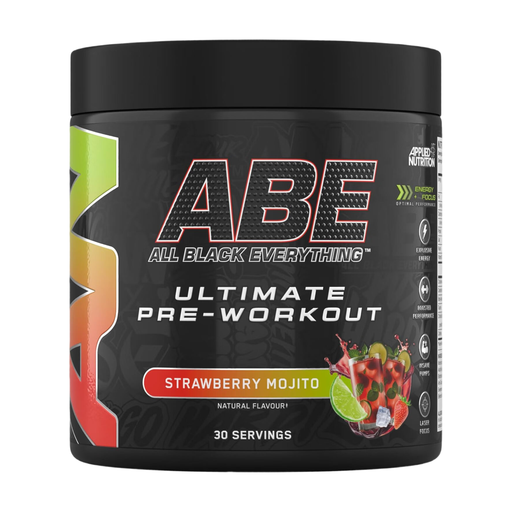
Why This Fits Their Persona: A powder format provides 30 stated servings and can suit regular gym users who mix a drink at home before travelling to a local gym.
The label states caffeine and key ingredient quantities per 12.5g serving, making comparisons clearer than an undisclosed blend.
200mg caffeine, 4g citrulline malate, 3g creatine monohydrate and zero sugar per serving.
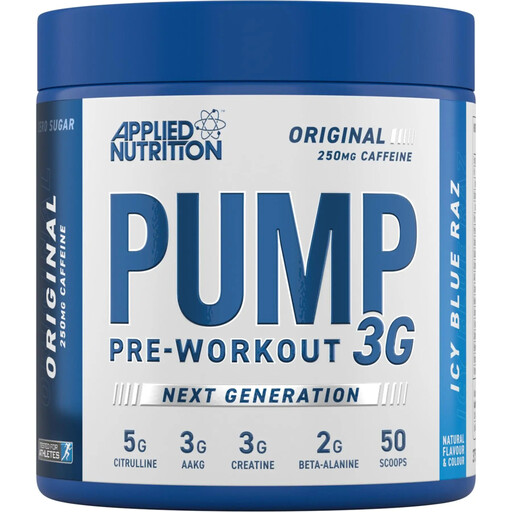
Why This Fits Their Persona: Designed for adults who specifically compare pump-focused formulas and want a powder with several listed active ingredients.
Its 15g serving and 25 servings per tub are stated, helping buyers assess actual usage rather than judging the container size alone.
5g citrulline malate, 3g creatine monohydrate and 250mg caffeine per serving.
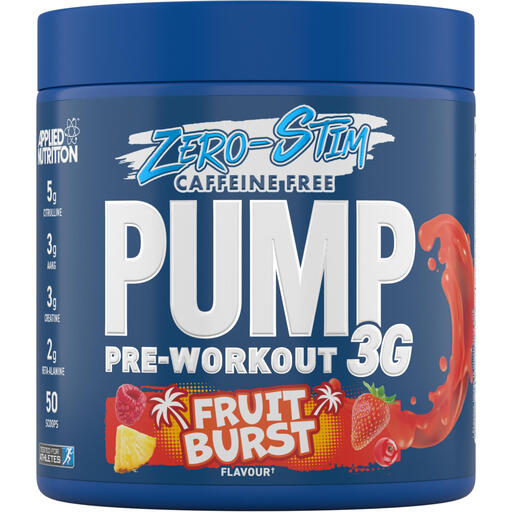
Why This Fits Their Persona: A caffeine-free option for adults training after work, avoiding stimulants or alternating between caffeinated and non-caffeinated sessions.
The product is explicitly described as stimulant-free and caffeine-free, rather than leaving buyers to infer this from the ingredient list.
5g citrulline malate, 3g AAKG, 3g creatine and 2g beta-alanine per 15g serving.
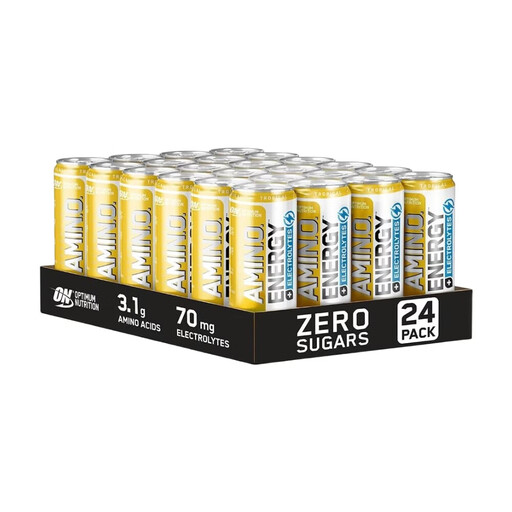
Why This Fits Their Persona: Ready-to-drink cans are convenient for commuting, outdoor sessions or anyone who does not want to carry a shaker and powder.
The can size, caffeine quantity, calorie count and amino acid content are stated per serving, simplifying portion comparison.
100mg caffeine, 3.1g amino acids, 70mg magnesium and zero sugar in each 250ml can.
We have compiled a complete, real-time list of products that fully satisfy these strict selection criteria and UK safety regulations.
Follow the serving size and timing on the product label. Many powders are mixed with cold water and taken around 15 to 30 minutes before exercise. New users should consider the lower introductory amount stated by the manufacturer. Do not exceed the recommended daily serving.
Shelf life varies by product and is shown on the packaging. Store powder in a cool, dry place below the stated temperature, away from sunlight and humidity. Close the tub firmly after use to reduce clumping. Ready-to-drink cans should be stored according to their label instructions.
No. Zero sugar describes the carbohydrate or sugar content, not caffeine tolerance or overall suitability. A zero-sugar pre-workout may still contain a substantial stimulant dose, beta-alanine or other active ingredients. Adults with medical conditions, those taking medication, pregnant or breastfeeding women, and anyone concerned about ingredients should seek suitable professional advice before use. Always check the current product label.