
24/7 Customer Support

Free returns

Same-day & Next-day Delivery

Quality Guaranteed

Unlock Your Welcome Offers: FREE Delivery | Up to 80% OFF | Free 30-day JoyPlus trial
Download the APP
Whether you are baking, fitting kitchen units, marking timber, checking a wall or measuring a golf shot, the right precision measuring tools can prevent wasted materials, uneven installations and disappointing results. The challenge is that product listings often focus on headline features while leaving out the details that affect everyday usability.
Before buying, watch for three common pitfalls:
The following guide explains the specifications worth checking and matches practical products to different UK households, trades and hobbies.
Resolution is the smallest increment shown by a tool, while accuracy describes how close the reading is to the actual value. These are not interchangeable.
For a kitchen measuring scale, a 1 g graduation is useful for weighing flour, coffee, spices and portions. The Unique Bluetooth Kitchen Scale supports up to 10 kg with 1 g graduation and offers units including g, ml, oz, lb:oz and lb. Its stated minimum weighing value is 3 g, so it may not be suitable for extremely small quantities.
For liquid ingredients, a glass measuring jug should have clear, durable markings and a practical capacity. The BJ 500 ml Glass Measuring Cup with Scale is suited to everyday recipe preparation, but buyers should still check whether the displayed graduations match their preferred recipes.
For small additions, measuring spoons are convenient, although spoon capacity and marking clarity matter more than decorative design. Store them level and use the correct spoon rather than estimating between sizes.
A measurement is only useful if you can read it reliably. Look for:
A magnetic spirit level with 45°, 90° and 180° vials can support plumbing, electrical and carpentry tasks. A V-groove is useful when checking pipes or conduit, while a top-read window helps when the level is positioned overhead.
For technical drawing, a geometry compass set should have a controlled hinge, a secure lead holder and storage protection. A maximum drawing diameter of 36 cm may be sufficient for schoolwork, geometry exercises and many drafting tasks, but confirm the required radius before ordering.
Materials should suit the task rather than simply appear premium. Aluminium can keep a spirit level relatively light, while tempered glass provides a wipe-clean surface for a digital kitchen scale. Marking tools need a barrel and lead or ink suited to the surfaces involved.
For electronic equipment, check:
A temperature and humidity monitor can be useful in bedrooms, kitchens, offices or storage areas. The Xiaomi Temperature and Humidity Monitor Clock uses a 3.7-inch e-ink display, supports table, wall or magnetic placement and operates on two CR2032 batteries. Treat its readings as household monitoring information rather than a substitute for professional environmental assessment.
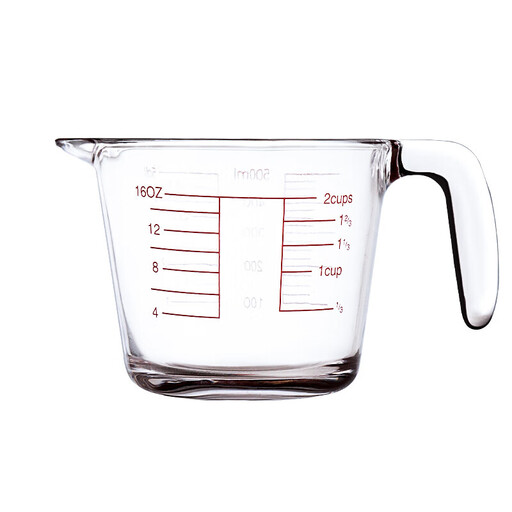
Why This Fits Their Persona: A straightforward option for home cooks, students and occasional bakers who need a dedicated liquid measuring vessel without adding electronic equipment to the kitchen.
Its 500 ml capacity gives the buyer a defined working range instead of relying on vague claims about all-purpose measuring.
Glass construction and a marked scale provide a visible, reusable format for liquids.

Why This Fits Their Persona: Suitable for regular cooks, bakers and households that want flexible unit conversion and connected food-recording features alongside everyday weighing.
The listing specifies both the 10 kg capacity and 1 g graduation, helping buyers judge suitability rather than selecting by capacity alone.
Tempered glass is easy to wipe clean; Bluetooth and multiple units add flexibility.
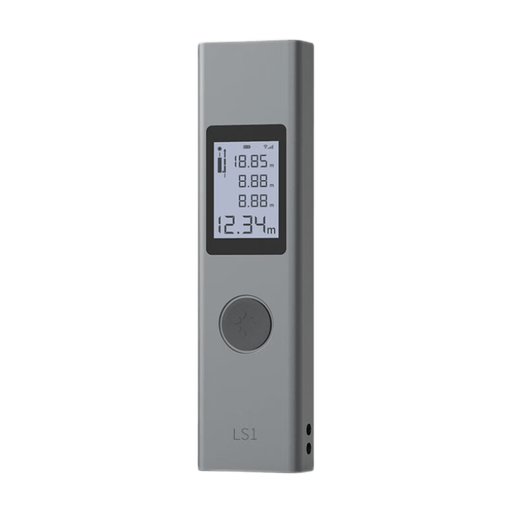
Why This Fits Their Persona: A practical match for decorators, builders, landlords and DIY users measuring rooms, walls and materials where a tape measure may be awkward.
Its stated purpose and portable format make it easier to assess against real room-measuring tasks, rather than buying a bulky tool with unused features.
Lightweight design and a supplied data cable and lanyard support transport and storage.
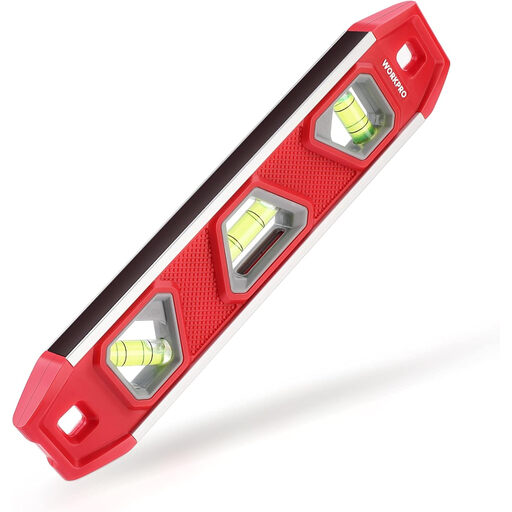
Why This Fits Their Persona: Designed around compact installation work, making it relevant to plumbers, electricians, carpenters and DIY users working in tight UK homes.
The 23 cm length, three angle vials, magnetic base and V-groove are clearly defined for confined-space work.
Aluminium frame, impact-resistant acrylic vials and rare-earth magnets support repeated site use.
We have compiled a complete, real-time list of products that fully satisfy these strict selection criteria and UK safety regulations.
Start with the measurement type, working range and resolution. A digital kitchen scale suits ingredients, a laser distance meter suits room dimensions, and a magnetic spirit level suits alignment. Check the tool’s maximum range, minimum reading, power requirements and material limitations before ordering.
Lifespan depends on handling, storage and maintenance. Keep electronic tools dry, avoid exceeding stated capacities and replace batteries when required. Clean spirit-level magnetic surfaces, protect compass hinges and store marking refills capped or sealed. A damaged or dropped tool may no longer provide dependable readings even if it still appears functional.
Running costs are usually linked to batteries, charging and optional app use. A scale may use replaceable batteries, while a rechargeable laser distance meter can reduce regular battery purchases. Check whether batteries or charging accessories are included and review any app requirements before buying.