
24/7 全天候客户支持

免费退货

当日/次日达

品质保障

开启新人专享福利: 全场免邮 | 低至 2 折 | 免费试用 30 天 JoyPlus 会员
下载 Joybuy
Choosing pregnancy and maternity products can feel unnecessarily complicated. From prenatal vitamins and early pregnancy tests to pregnancy pillows, maternity bras and breastfeeding accessories, product pages often use reassuring language without explaining what matters in daily use.
The most useful approach is to filter out broad promises and compare ingredients, dimensions, materials, fit and instructions. This guide highlights common buying traps and suggests suitable options for different household needs.
Pregnancy multivitamins can contain very different amounts of folate, iron, vitamin D, iodine and other nutrients. A long ingredient list does not necessarily make a product suitable for everyone. Taking several overlapping supplements may also lead to excessive intake of particular nutrients.
Check the recommended daily dose, allergen information and the full label. The NHS recommends folic acid during early pregnancy, but individual nutritional needs can vary. If you are pregnant, breastfeeding, taking medication or managing a health condition, consult a qualified healthcare professional before choosing or combining supplements.
Early pregnancy tests may be used before a missed period, but testing too soon can make results harder to interpret. Test sensitivity, urine concentration and timing all affect the result. Always follow the leaflet and check the use-by date.
A digital test can be easier to read than lines, while a multi-test pack may be useful if you need to repeat testing. Unexpected or unclear results should be discussed with a healthcare professional.
A large pregnancy pillow may look supportive but take up considerable bed space. A maternity bra with generous stretch may still feel uncomfortable if the band or cup is too tight. Similarly, a removable, washable cover is considerably more practical than a product that cannot be cleaned easily.
Before ordering, check dimensions, weight, cover materials, wash instructions and the returns policy. For bras, measure close to purchase and allow for body changes during pregnancy and breastfeeding.
Look for transparent nutritional information rather than relying on phrases such as “complete support”. Relevant points include:
For vegan pregnancy supplements, verify that the capsule shell and every active ingredient meet your requirements. “Vegan” should be supported by the product information, not inferred from the packaging design.
Compare the following practical details:
A weeks indicator is an estimate based on hormone levels and should not be treated as a substitute for clinical dating.
Prioritise:
Look for wire-free construction, adjustable straps, stretch fabric and accessible nursing openings. Temperature-regulating or quick-dry panels may be useful for warm rooms and night-time use, but fit remains more important than a feature list.
A nursing bra should open easily without forcing the breast or pulling the fabric. Check the size chart carefully, particularly when buying online, and stop using any garment that causes persistent irritation or uncomfortable pressure.
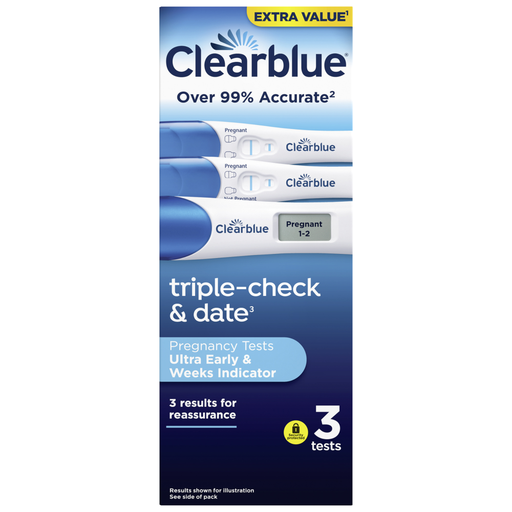
Why This Fits Their Persona: Three tests provide a practical option for shoppers who want to test, repeat if needed and compare digital and visual formats at home.
The pack states when accuracy information applies and includes instructions for both test formats, reducing reliance on vague early-testing claims.
One digital test, two visual tests and clear instructions. Store below 30°C as directed.
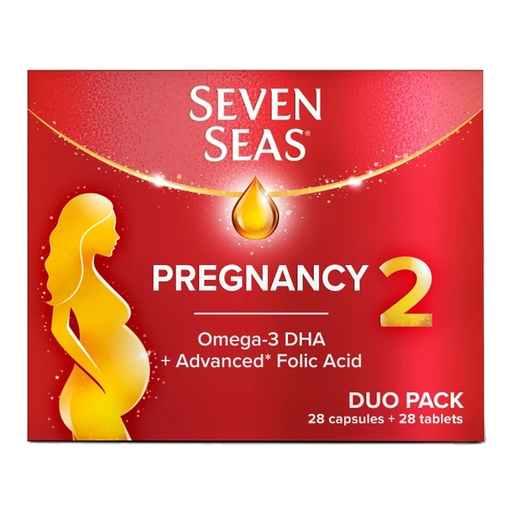
Why This Fits Their Persona: Suitable for shoppers seeking a clearly separated multivitamin tablet and omega-3 capsule in one daily pack.
The listing identifies 400 µg folate and 200 mg DHA per stated serving, making comparison easier than relying on general “complete” wording.
Includes iron and vitamin D. Contains fish oil and bovine gelatine, so check allergens before purchase.
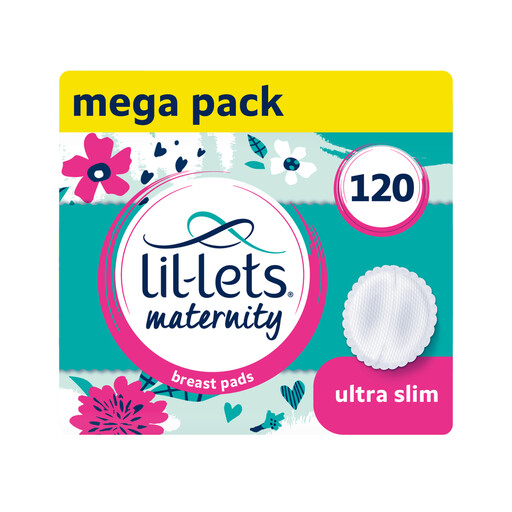
Why This Fits Their Persona: A 120-pad total pack suits breastfeeding mothers who want individually wrapped pads for regular changes at home or when travelling.
The product specifies an adhesive backing, absorbent core and replacement guidance, rather than promising unlimited wear.
Ultra-thin design and individually wrapped pads. Replace when saturated and avoid use on damaged skin.
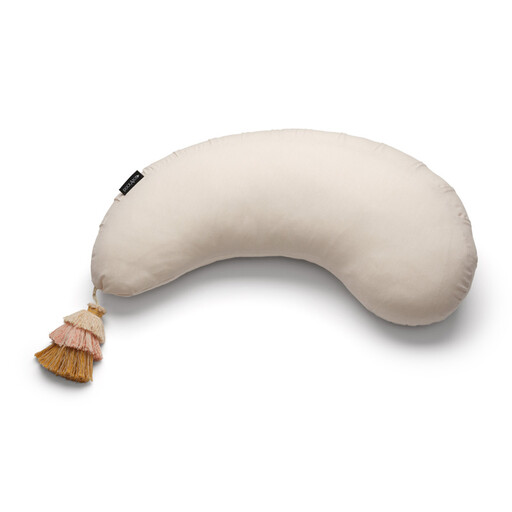
Why This Fits Their Persona: The compact wedge shape is easier to move between rooms than a full-body maternity pillow and can be used during pregnancy or feeding.
Its stated purpose and compact dimensions make the use case clear, avoiding the assumption that every buyer needs a bulky 360-degree pillow.
100% cotton removable cover and polyurethane foam fill. Never use it as an infant sleep surface.
We have compiled a complete, real-time list of products that fully satisfy these strict selection criteria and UK safety regulations.
Before purchasing pregnancy and maternity products, confirm:
Lifespan depends on the product. Pregnancy tests should not be used after their stated use-by date. Supplements should be used before the expiry information on the label. Maternity bras may remain wearable through pregnancy and nursing if the fabric retains its shape and the fit remains comfortable. Breast pads are single-use products. Pillow covers may last longer when washed according to instructions, while the inner filling should be replaced if it becomes damaged or unhygienic.
A pregnancy pillow can be used as a positioning aid if it feels comfortable and does not restrict movement. Check the manufacturer’s instructions and choose a size that allows you to change position safely. Nursing pillows are not designed for infant sleep, so never leave a baby unattended on one or place one in a cot or bassinet.
Your budget will depend on whether you are preparing for breastfeeding, bottle-feeding or both. Reusable essentials such as nursing bras and washable pillow covers may reduce repeat purchases, while breast pads and pregnancy tests are ongoing or single-use costs. Make a short list of immediate needs first, then add optional items such as larger pillows or additional breastfeeding accessories when their specific use is clear.