
24/7 Customer Support

Free returns

Same-day & Next-day Delivery

Quality Guaranteed

Unlock Your Welcome Offers: FREE Delivery | Up to 80% OFF | Free 30-day JoyPlus trial
Download the APP
The world of premium Asian spirits is vast and fascinating, offering a spectrum of flavours from the complex, savoury notes of Chinese baijiu to the clean, crisp profiles of Japanese sake and the accessible sweetness of Korean soju. However, for many UK buyers, navigating this landscape can be challenging. Misleading labels and a lack of clear information can lead to disappointing purchases, especially when selecting a bottle for a special occasion or as a significant gift.
As the Joybuy Product Recommendation Officer, my role is to help you sidestep these common issues. This guide will break down the essential factors to consider, ensuring your next purchase is a confident one, whether you're exploring new tastes or searching for the perfect Mid-Autumn Festival gifts.
Before diving into what to look for, it's crucial to recognise the frequent traps that catch out even discerning buyers in the UK.
To buy baijiu online UK or select any other premium Asian spirit with confidence, focus on these three non-negotiable factors.
Understanding the fundamental type of spirit is the most critical step. Each has a unique production process and resulting flavour profile.
The alcohol content is a practical indicator of how the spirit is intended to be enjoyed.
For premium spirits, heritage matters. Authentic production methods are a hallmark of quality. Look for information on the distillery's history, the origin of its ingredients (like specific grains or water sources) and its adherence to traditional techniques, such as the use of Daqu (fermentation starter) in baijiu or the specific type of rice used for sake.
To help you match the right spirit to the right person and occasion, here are a few recommendations based on different user profiles.
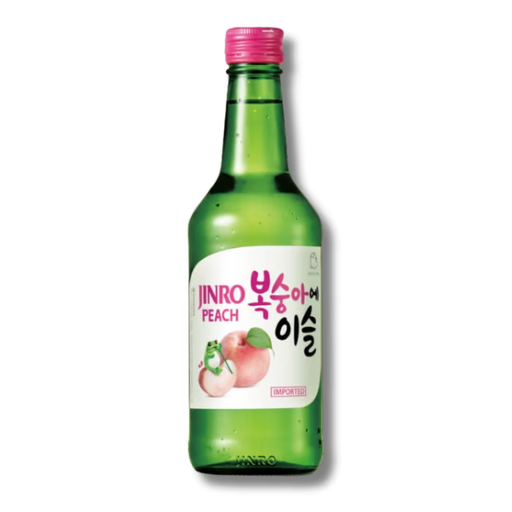
Why This Fits Their Persona: Perfect for casual gatherings, parties or pairing with Korean BBQ. Its light, fruity profile and 13% ABV make it highly approachable for those new to Asian spirits or who prefer a less intense drink. It's a crowd-pleaser that's easy to enjoy chilled or in simple cocktails.
It avoids the "premium veneer" trap by being exactly what it claims to be: a fun, flavoured soju. There's no pretence of aged complexity, making it an honest and enjoyable choice for its intended social purpose.
Refreshing natural peach flavour without being overly sweet. Its smooth base, a result of four-stage bamboo charcoal filtration, ensures a clean finish.
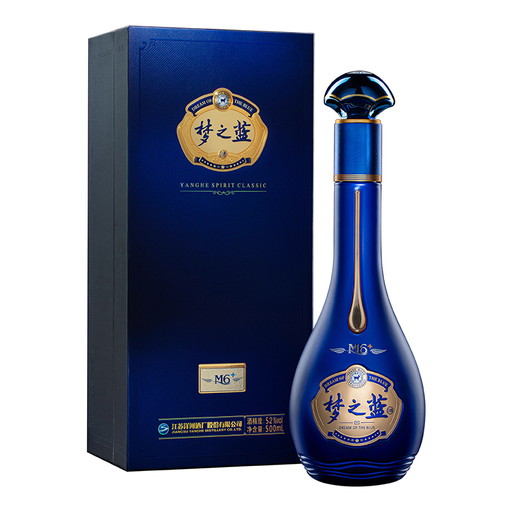
Why This Fits Their Persona: This is an ultra-premium baijiu ideal for significant occasions, corporate gifting or as a standout piece in a collection. Its elegant presentation and complex, mellow flavour profile convey prestige and a deep appreciation for Chinese distilling artistry.
It sidesteps the "gifting mismatch" by being a culturally significant and high-status spirit. Its quality is rooted in its production—using aged base liquors from century-old cellars—not just in its beautiful bottle.
Exceptionally smooth and mellow texture with a long, elegant finish. The use of aged base liquors provides a sophisticated depth of aroma and flavour.
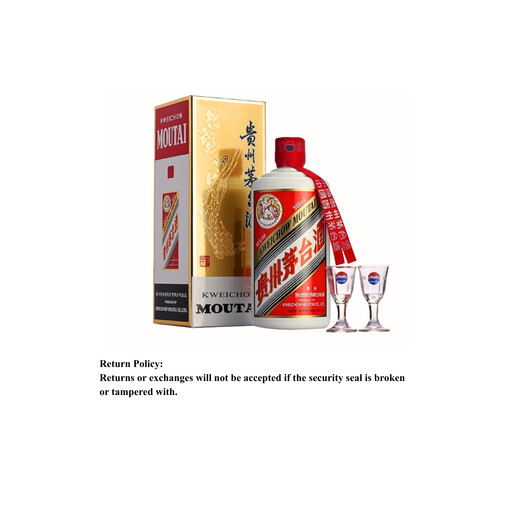
Why This Fits Their Persona: As China's national liquor and a globally recognised name, Moutai is the definitive spirit for any serious collector. It is the benchmark for the complex sauce-aroma baijiu category and is frequently sought after for its investment potential and cultural significance.
This spirit defines the "premium" category rather than just borrowing the label. It directly addresses the "aroma confusion" pitfall by providing the quintessential sauce-aroma experience that all others are measured against.
An incredibly complex and layered flavour profile with a long-lasting finish. Its status as a diplomatic and national treasure gives it unparalleled cultural and collection value.
We have compiled a complete, real-time list of products that fully satisfy these strict selection criteria and UK safety regulations.
1. How should I serve premium Chinese baijiu? For high-ABV baijiu like Moutai or Yanghe Dream Blue, the traditional way is to serve it neat at room temperature in small, thimble-sized glasses. This allows you to appreciate its complex aroma and potent flavour in small sips. It is typically enjoyed during a meal, accompanying rich and flavourful dishes.
2. What is the main difference between Korean soju and Japanese sake? The primary difference lies in the production process and base ingredients. Sake is a brewed beverage, similar to beer, made from fermented rice. It is not distilled and typically has an ABV of 15-20%. Soju is a distilled spirit, traditionally made from rice but now often from other starches like sweet potatoes or tapioca. This gives it a cleaner, more neutral taste and a higher potential ABV, although many popular flavoured sojus are diluted to around 13%.
3. Can I store an opened bottle of plum wine? Yes. Once opened, a bottle of plum wine should be tightly sealed and stored in the refrigerator. This will help preserve its flavour and freshness. It is generally advisable to consume it within a few weeks to a month for the best taste, as prolonged exposure to air will cause its delicate fruit notes to fade.