
24/7 Customer Support

Free returns

Same-day & Next-day Delivery

Quality Guaranteed

Unlock Your Welcome Offers: FREE Delivery | Up to 80% OFF | Free 30-day JoyPlus trial
Download the APP
Navigating the world of premium Asian spirits can be a rewarding journey, but for many UK shoppers, it’s one filled with potential missteps. Whether you're searching for authentic Mid-Autumn Festival gifts or simply looking to buy Asian alcohol online to broaden your horizons, it's easy to feel overwhelmed. The market is awash with beautiful bottles and compelling stories, but not all deliver on their promise of quality.
As the Joybuy Product Recommendation Officer, my role is to help you see past the marketing and make informed choices. Let's look at a few common pitfalls that can lead to a disappointing purchase and how to sidestep them.
To ensure you're getting a spirit that genuinely suits your taste and occasion, focus on a few core parameters rather than just the label.
The term "Asian spirit" covers a vast and diverse range. Knowing the fundamental differences is the first step to a successful purchase.
The alcohol percentage is a critical indicator of how the drink should be approached.
To help you find the right bottle, we've matched some excellent options to different types of drinkers.

Why This Fits Their Persona: Perfect for someone in the UK wanting to try an Asian spirit without the intensity of a traditional baijiu. Its fruity profile and low ABV make it incredibly approachable for social gatherings or a casual evening drink.
It directly avoids category confusion. As a flavoured soju with a 13% ABV, it delivers exactly what it promises: a light, sweet and refreshing experience, not a potent, complex spirit.
Its versatility is a major plus. Enjoy it chilled and neat, or mix it with sparkling water for a simple, refreshing spritz. The natural green grape flavour is distinct and not overly synthetic.
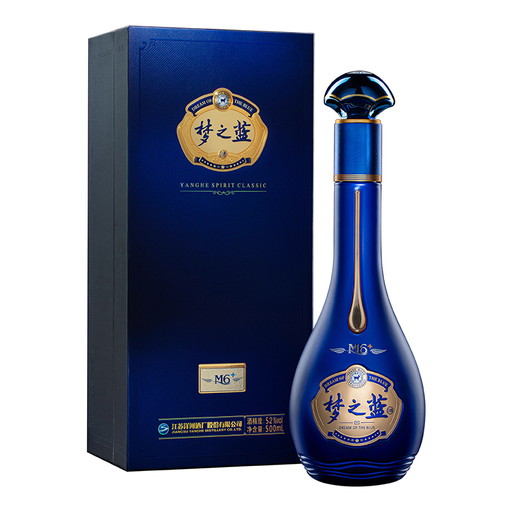
Why This Fits Their Persona: For those seeking a truly impressive gift for a major celebration like the Mid-Autumn Festival or a significant business occasion. This is an ultra-premium baijiu that conveys respect and a deep appreciation for craftsmanship.
This sidesteps the "hype over heritage" trap. Its quality is rooted in tangible factors: aged base liquors matured in century-old cellars and a rigorous production process. It's a flagship product from a renowned distillery, not just a pretty bottle.
It offers a profoundly complex and layered flavour profile with a silky, mellow texture. The elegant finish is long and satisfying, showcasing the depth that comes from careful ageing. It is a statement of prestige.
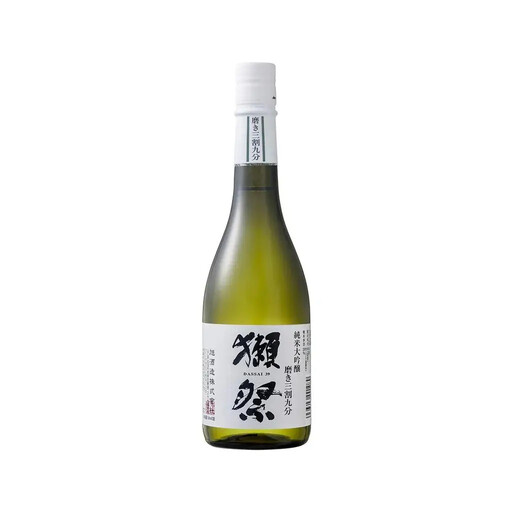
Why This Fits Their Persona: An ideal choice for someone hosting a meal with delicate Asian cuisine like sushi, sashimi or grilled white fish. This premium Japanese sake is designed to complement food, elevating the dining experience with its refined character.
This bottle's quality is transparent. The "Junmai Daiginjo" classification and the "39" (indicating a 39% rice polishing ratio) are clear, verifiable markers of a high-grade sake, steering clear of the "premium appearance" trap.
It delivers an exceptionally smooth, clean and aromatic profile with notes of white peach and pear. Its crisp, elegant finish cleanses the palate, making it a superb companion for food.
We have compiled a complete, real-time list of products that fully satisfy these strict selection criteria and UK safety regulations.
1. How do you drink Chinese baijiu properly? For a traditional experience, baijiu is served at room temperature in small, thimble-sized glasses. It's meant for sipping, not shooting. Take a moment to appreciate the aroma before taking a small sip. It is almost always consumed with food, which helps to balance its intensity.
2. What is the real difference between Japanese sake and Korean soju? The main difference is in the production method. Sake is brewed from rice, similar to beer, and is not distilled. Its alcohol content is typically between 15-20%. Soju is a distilled spirit, like vodka, made from rice, sweet potato or other starches. This distillation process generally results in a higher potential alcohol content, although many popular flavoured sojus are diluted to around 13% ABV.
3. How long does flavoured soju last after opening? Once opened, it's best to reseal the bottle tightly and store it in the refrigerator. While it won't spoil quickly due to the alcohol content, the fresh, fruity flavours will start to fade. For the best taste, it is recommended to consume it within a week of opening.