
24/7 Customer Support

Free returns

Same-day & Next-day Delivery

Quality Guaranteed

Unlock Your Welcome Offers: FREE Delivery | Up to 80% OFF | Free 30-day JoyPlus trial
Download the APP
From a rich, slow-simmered Bolognese to a classic cottage pie, beef mince is the foundation of countless comforting British meals. Yet, not all mince is created equal. Navigating the supermarket aisle or even browsing online can be confusing, with labels that promise more than they deliver. If you're looking to elevate your cooking, understanding what makes for truly premium beef mince is the first step.
As the Joybuy Product Recommendation Officer, my role is to help you see past the marketing jargon. Many home cooks find themselves disappointed with mince that is watery, lacks flavour or turns tough, despite paying a higher price. This guide will help you identify the key markers of quality so you can invest in an ingredient that will genuinely transform your dishes.
Before we explore what to look for, let's break down the common traps that can lead to a disappointing purchase:
To confidently buy beef mince online or in-store, focus on these three non-negotiable factors. They are the true determinants of flavour, texture and overall quality.
The life of the animal has a direct impact on the taste of the meat. Look for mince that specifies its origin beyond just the country.
For rich, succulent results, the ideal fat content for all-purpose beef mince is between 10% and 20%. This balance ensures the meat stays moist and develops a deep, savoury flavour during cooking, making it perfect as mince for bolognese, cottage pie and homemade burgers. More importantly, the fat should be naturally occurring within the muscle (intramuscular fat or marbling), not just cheap, fatty trim added to bulk out the product.
The specific cut of beef used makes a significant difference. High-quality mince is not made from anonymous offcuts.
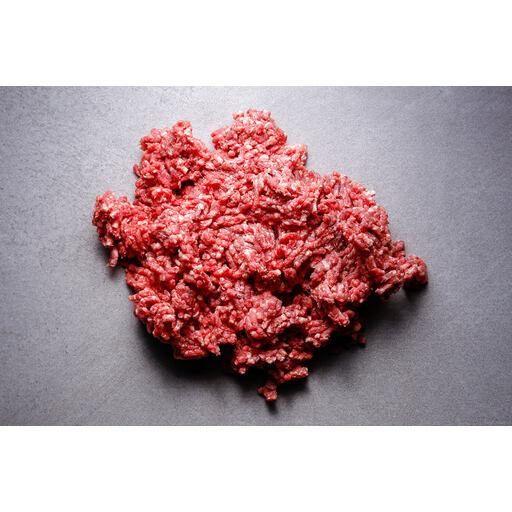
Why This Fits Their Persona: Perfect for the home cook who refuses to compromise on the foundations of a classic dish. This mince is for those who believe a truly great cottage pie or ragù starts with exceptional meat that delivers authentic, deep flavour.
This is true butcher's mince from a renowned London butcher. It sidesteps vague provenance by specifying it's from native breed, pasture-reared cattle, and has a balanced 10-15% fat content, avoiding the "lean is better" trap.
Crafted in-house by master butchers from specific cuts of native breed cattle. The slow rearing on natural pastures ensures superior marbling and a rich, beefy taste.
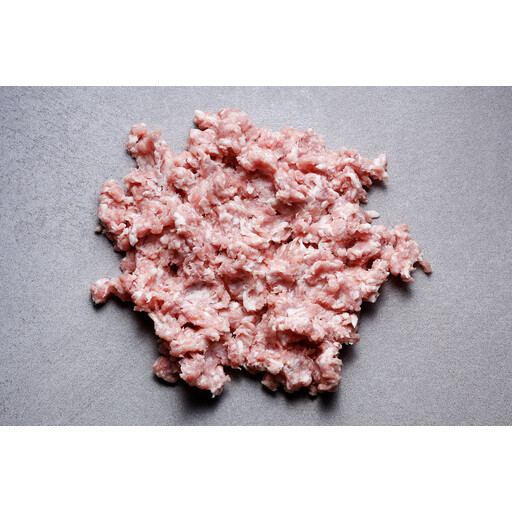
Why This Fits Their Persona: For the cook who knows the secret to an outstanding Bolognese or meatball lies in a blend of meats. This high-quality pork mince is the perfect partner for beef, adding moisture, richness and a layer of savoury depth.
This product directly addresses the pitfall of one-dimensional flavour. By encouraging a blend, it moves beyond the simple "beef mince" category and into advanced flavour building with an equally high-quality ingredient.
Sourced from free-range British pigs with around 15% fat content. This ideal ratio ensures dishes remain moist and flavourful, preventing the dryness that can come from using overly lean mince alone.
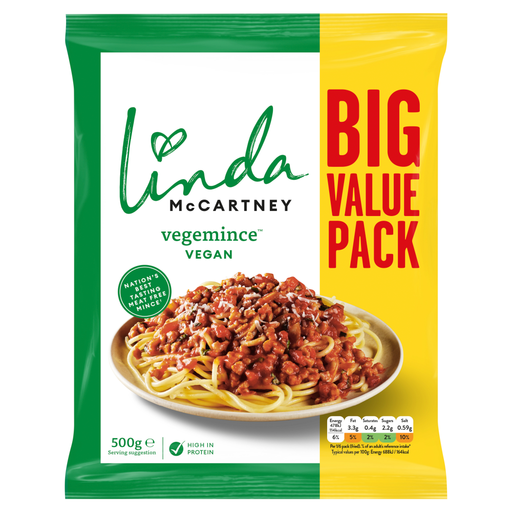
Why This Fits Their Persona: For anyone seeking to recreate hearty, comforting meals like chilli, shepherd's pie or lasagne without meat. This is for the cook who wants a reliable, flavourful plant-based alternative that performs like traditional mince.
It avoids the common pitfall of mushy, bland meat-free mince. The rehydrated textured soya protein is specifically designed to absorb sauces and spices while holding its structure, providing a satisfying, meat-like texture.
A versatile and convenient kitchen staple that serves as an excellent source of plant-based protein. It browns well and delivers a consistent "umami" taste experience in a wide range of dishes.
We have compiled a complete, real-time list of products that fully satisfy these strict selection criteria and UK safety regulations.
1. What is the ideal fat percentage for beef mince? For most dishes, a fat content of 15-20% is often considered ideal for maximum flavour and a succulent texture. For a slightly leaner option that still retains good flavour, 10-12% is a solid choice. Mince with 5% fat is best reserved for recipes where extra fat is added from other ingredients.
2. Can you freeze premium beef mince? Yes, absolutely. For the best results, freeze it on the day of purchase. To prevent freezer burn, wrap it tightly in cling film or place it in an airtight freezer bag, removing as much air as possible. It can typically be frozen for 3-4 months without a significant loss in quality. Defrost it thoroughly in the refrigerator before cooking.
3. What is the real difference between grass-fed and grain-fed beef mince? The primary difference is flavour and fat composition. Grass-fed beef mince tends to have a more pronounced, earthy and "beefy" flavour, and is often leaner. Grain-fed beef usually has a milder, slightly sweeter taste and can have more fat marbling, which some people prefer for its buttery texture. The choice between them is largely a matter of personal preference.