
24/7 Customer Support

Free returns

Same-day & Next-day Delivery

Quality Guaranteed

Unlock Your Welcome Offers: FREE Delivery | Up to 80% OFF | Free 30-day JoyPlus trial
Download the APP
Premium bottled water can suit an office fridge, gym bag, dinner table or large household shop. However, higher pricing does not automatically mean better value. The useful comparison is between source, format, ingredients, pack size and intended use.
Marketing language can also make simple products appear more complicated than they are. Before buying, check the label rather than relying on phrases such as “pure”, “alkaline” or “natural”. These terms may describe a product feature, but they do not necessarily indicate that it suits your taste, budget or daily routine.
Natural mineral water, spring water and treated drinking water are not interchangeable terms. Natural mineral water comes from an underground source and has a stable mineral composition, while spring water must meet specific source and treatment requirements. Always check the product description and label to understand what you are buying.
The mineral profile can affect flavour. Water with higher bicarbonate, calcium or magnesium may taste more rounded, while low-mineral water can have a lighter, cleaner finish. Neither profile is automatically right for everyone.
Flavoured sparkling water may contain sugar, sweeteners or neither. A drink marketed as light or refreshing is not necessarily calorie-free. For example, Highland Spring Sugar Free Lemon & Lime Still Flavoured Water lists 0g sugar and 1 kcal per 100ml, while its ingredients information states that it contains sweeteners.
If you want sugar-free water, check both the nutrition panel and ingredients list. This is particularly important when buying for children, workplace refreshment or regular consumption.
A 330ml can may be convenient for events and packed lunches, but a 1.5L bottle is more practical for sharing at home. Sports-cap bottles can help during exercise or commuting, whereas standard caps may stack more easily in an office cupboard.
Also compare the total pack volume, not just the number of bottles. A multipack of 12 x 750ml provides a different quantity and use case from 12 x 1L, even if both appear to be large household purchases.
Look for the water category, country of origin and mineral analysis where provided. Icelandic Glacial products, for example, are described as natural mineral water from Iceland’s Ölfus Spring. FIJI Water is listed as natural artesian water, with mineral information including silica, calcium, magnesium and bicarbonates. Evian and Volvic provide mineral compositions in milligrams per litre.
Alkaline water refers to water with a pH above neutral. A stated pH can help you compare products, but it should not be treated as a medical or therapeutic benefit. Taste, source and mineral content remain more practical buying considerations.
Plain still water generally contains water only and has zero calories. Sparkling water usually adds carbon dioxide, while flavoured options may include natural flavours, citric acid or sweeteners.
For a low-calorie choice, check:
Icelandic Glacial sparkling options list 0 kcal and 0g sugar per 100ml, with varieties including Sicilian Lemon, Tarocco Blood Orange and Tahitian Lime. The exact ingredients differ by flavour, so review the product label before ordering.
Packaging affects portability and disposal. PET bottles are lightweight and useful for larger volumes, while aluminium cans are convenient for chilled service and are widely recyclable where local facilities accept them. A product described as recyclable does not guarantee that every council collection accepts the exact packaging, so check local guidance.
For gym users and commuters, a sports cap supports one-handed drinking and can reduce spills. Once opened, follow the label’s storage instructions. Flavoured cans are generally intended to be consumed shortly after opening, while opened still water may require refrigeration.
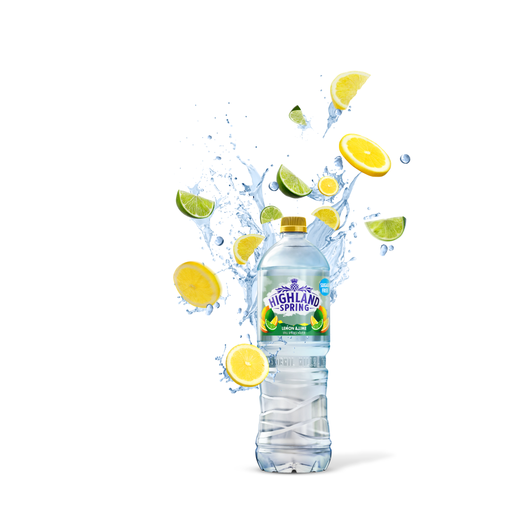
Why This Fits Their Persona: A 1.25L bottle provides a practical size for home use, meals and sharing, with a light citrus flavour for shoppers who find plain still water unappealing.
The label states 0g sugar per 100ml, while the ingredients information identifies sweeteners, helping buyers make an informed choice.
Still water format; lemon and lime flavour; 1 kcal per 100ml according to the supplied nutrition information.
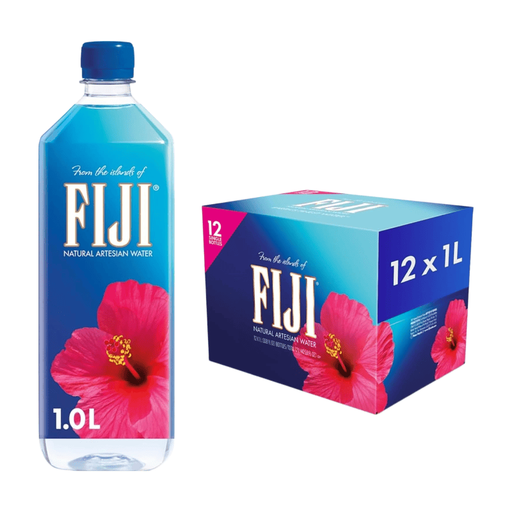
Why This Fits Their Persona: The 1L bottle size and pack of 12 suit households, offices and hosts who want a recognisable natural artesian water format.
The supplied listing provides a mineral analysis and identifies the water as natural artesian water, rather than relying only on broad purity language.
1L bottles; pack of 12; listed mineral values include silica, calcium, magnesium and bicarbonates.
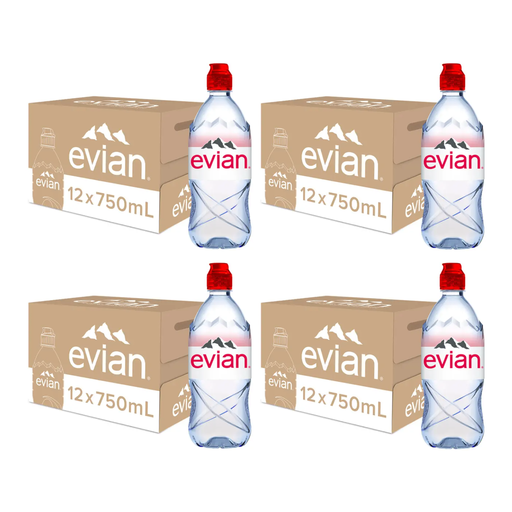
Why This Fits Their Persona: The 750ml sports-cap bottles are suited to workouts, commuting, office desks and activities where one-handed drinking is useful.
The cap type and bottle volume are clearly specified, so buyers can assess portability instead of paying for a standard bottle that may be awkward during activity.
750ml sports-cap format; mineral composition supplied; recyclable packaging information listed by the product description.

Why This Fits Their Persona: A compact can multipack works for gatherings, hospitality areas and shoppers wanting flavoured sparkling water without sugar.
The listing identifies carbon dioxide and flavouring ingredients, while the nutrition panel states 0g sugar and 0 kcal per 100ml.
330ml cans; Sicilian lemon flavour; 10-can pack; aluminium packaging described as recyclable.
We have compiled a complete, real-time list of products that fully satisfy these strict selection criteria and UK safety regulations.
It depends on what you value. A higher-priced product may offer a particular mineral profile, imported source, sports cap, can format or convenient multipack. Compare price per litre, packaging and intended use rather than assuming premium branding guarantees a noticeable difference.
Check the best-before information printed on the packaging and store bottles in a cool, dry place away from direct sunlight and strong odours. Once opened, follow the label instructions; some products recommend refrigeration and prompt consumption.
Plain sparkling water can be used as a regular drink if you enjoy carbonation. Flavoured varieties require closer label checking, particularly for sweeteners, acids and sugar. For everyday use, choose the format and ingredients that fit your own dietary preferences and storage routine.