Who this suits

Hosts serving two to four guests

A small all-butter pack that can be warmed shortly before serving suits a cream tea where you want an attractive extra pastry without making it from scratch. Tesco Groceries, Sainsbury’s and Waitrose provide warming guidance for their relevant packs.

Hosts planning a larger afternoon gathering

A frozen ready-to-bake multipack suits a larger table when you have freezer capacity and an oven, and want to serve croissants freshly baked rather than simply opened from a chilled pack. M&S describes its eight-pack as raw and requiring baking.

Hosts accommodating gluten-free guests

A gluten-free croissant can be appropriate for a coeliac guest when the current pack carries the relevant declaration. Sainsbury’s gluten-free option still contains butter, egg and milk, so check the label and keep serving utensils separate where cross-contact is a concern.

What to check before buying

Small chilled all-butter pack

Choose it when: you are serving two to four people and want a ready-to-eat croissant that can be warmed just before the table is set.

Keep in mind: these products commonly contain wheat, milk and egg, and the Waitrose pack carries a nut precautionary statement.

Frozen ready-to-bake croissants

Choose it when: a larger group and a just-baked serving matter more than last-minute convenience.

Keep in mind: the product needs frozen storage, baking time and careful handling according to its pack instructions.

Priority What to check Your needs
Serving style Check whether the croissants are ready to eat, suitable for brief warming, or raw and frozen. Match pack count to guest numbers and the rest of the afternoon spread. I want warm croissants without turning preparation into the main task. A small chilled pack suits a short lead time, while a frozen multipack needs oven time before guests arrive.
All-butter details Use the exact pack label to compare stated butter content, recipe wording and warming instructions. Waitrose lists 33% butter for its No.1 two-pack, while Sainsbury’s lists 29% French butter for its standard Taste the Difference four-pack. I am looking for a buttery pastry that feels appropriate alongside a cream tea, but I do not assume a butter percentage predicts every guest’s taste preference.
Allergen suitability Read the ingredients list and any precautionary statement every time. Conventional croissants commonly contain wheat, milk and egg; gluten-free products can still contain dairy and egg. I need to serve guests safely, so I check the individual pack rather than relying on terms such as “all butter”, “vegetarian” or “gluten free”.

Common buying mistakes

  • Treating “premium” or “all butter” as proof of superior taste

    Butter percentage, French sourcing and flaky-layer descriptions can help you choose a style, but retailer product information is not an independent taste test and cannot predict every guest’s preference.

    Choose around guest count, preparation time, all-butter composition and serving format. If the occasion matters, try a pack before the event.

  • Buying frozen bake-at-home croissants without checking preparation state

    M&S states that its ready-to-bake croissants are raw, must be kept frozen at -18°C and must be baked. Without freezer capacity or oven time, this format can be impractical for the occasion.

    For a same-day, low-preparation tea, choose a ready-to-eat pack that can be briefly warmed. Choose frozen only when you can store, bake and serve it according to the label.

  • Assuming a gluten-free or vegetarian croissant suits every dietary need

    Sainsbury’s gluten-free croissants contain butter, egg and milk, while conventional croissants commonly contain wheat, milk and egg. Nut and cross-contact statements also vary between products.

    Ask which allergens or dietary rules apply, check the latest individual pack and use separate serving utensils where cross-contact is a concern.

Relevant brand references

M&S

A useful reference for hosts choosing between an all-butter pack for warming and a larger frozen ready-to-bake format.

  • M&S lists 29% butter for its all-butter pack and describes it as suitable for freezing.
  • Its frozen eight-pack is raw, requires storage at -18°C and contains wheat, milk and egg; M&S also lists several allergy exclusions for that product.

Tesco Finest

A four-croissant all-butter option for a small hosted afternoon where a ready-to-eat pack with brief oven warming is useful.

  • Tesco Groceries states that the croissants use butter churned in France and can be heated for four to five minutes.
  • The product contains wheat, milk and egg, so it is not suitable for guests who need to avoid those ingredients.

Sainsbury’s Taste the Difference

A reference point for a standard four-pack all-butter croissant and a separate two-pack gluten-free option for a coeliac guest.

  • The standard four-pack lists 29% French butter and can be warmed in an oven or air fryer.
  • The gluten-free two-pack contains butter, egg and milk, so gluten-free status does not make it suitable for dairy- or egg-allergic guests.

Waitrose

A small premium-labelled two-croissant option when presentation for a couple or very small group matters more than volume.

  • Waitrose No.1 lists croissants prepared in France with French butter and flour, with 33% butter stated on the product information.
  • Waitrose says the product may contain nuts and notes that recipes and allergen information can change, so the live pack label remains essential.

Lidl

A possible in-store route for an individual all-butter croissant collected close to serving time.

  • Lidl lists its all-butter croissant as available in store and suitable for vegetarians.
  • The listing names milk, wheat and egg allergens alongside several possible trace allergens, so check the product in store before serving guests.

Joybuy croissant options

These Joybuy options focus on frozen croissants for baking shortly before a cream tea afternoon. The plain all-butter product is closest to a traditional serving route, while the filled options suit a more varied pastry spread.
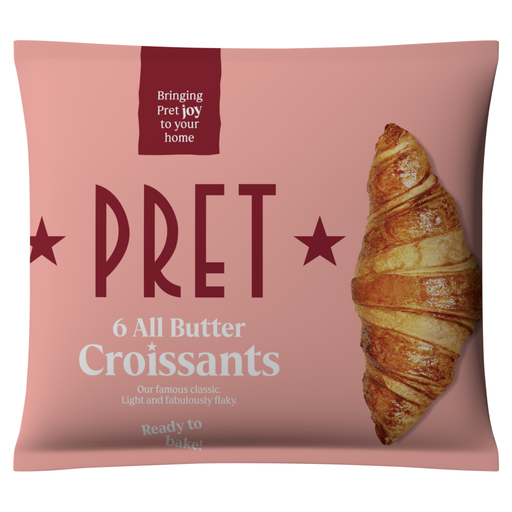
Pret A Manger Butter Croissants 330g

Pret A Manger Butter Croissants 330g

A plain frozen option for hosts who can bake croissants shortly before serving.

The supplied product information states 24% French-sourced butter, 27 folds and a 20-minute bake-from-frozen method.

Requires storage at -18°C or below. It contains wheat, gluten, milk and egg, may contain nuts, sesame and soya, and should not be defrosted or refrozen.

Joybuy
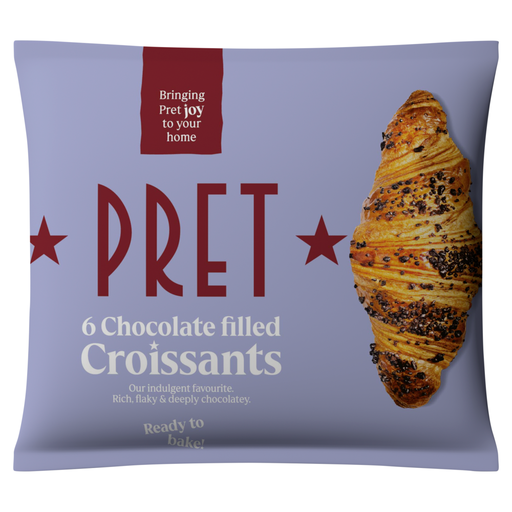
Pret A Manger 6 Chocolate Filled Croissants 420G

Pret A Manger 6 Chocolate Filled Croissants 420G

A six-piece bake-at-home option for a mixed afternoon spread where a chocolate pastry is wanted alongside plainer choices.

The product description states 19% butter, chocolate filling and topping, plus a 22-minute oven method from frozen.

Requires storage at -18°C or below and contains wheat, gluten, milk, egg and soya. It is stated to be unsuitable for nut and sesame allergy sufferers.

Joybuy
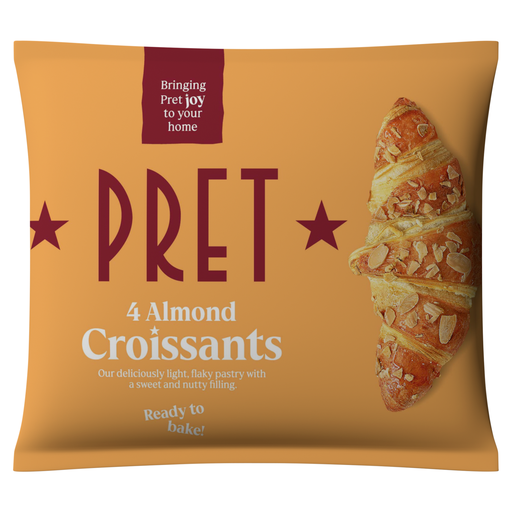
Pret A Manger Almond Croissants 280g

Pret A Manger Almond Croissants 280g

A frozen speciality pastry for a sweeter, almond-led addition to a varied cream tea spread.

The supplied information states 15% butter, 14% almond filling and 3% flaked almonds, with a bake-from-frozen instruction.

Requires storage at -18°C or below and contains almonds, wheat, gluten, milk and egg; it may contain other nuts, sesame and soya. Check the current pack for cooking instructions and pack count before planning service.

Joybuy

Frequently asked questions

Should croissants replace scones at a cream tea afternoon?

Not necessarily. Croissants work well as an additional buttery pastry or an alternative for guests who prefer them, but they do not provide the traditional scone-and-clotted-cream format. Serve plain all-butter croissants warm and offer jam, butter or cream separately if you want guests to choose their own combination.

How many croissants should I buy for afternoon tea?

Use the pack count as a planning starting point rather than a fixed serving rule. Two-packs suit a couple or very small table, four-packs suit a small group, and an eight-pack is more useful for a larger gathering when croissants are a main pastry rather than one item among scones, sandwiches and cakes.

Can I warm supermarket croissants before serving?

Yes, where the exact pack instructions permit it. Tesco Finest lists four to five minutes in an oven, Sainsbury’s gives oven and air-fryer guidance for its standard Taste the Difference product, and Waitrose No.1 gives oven-warming instructions. Frozen M&S croissants are raw and must be baked rather than merely warmed.

Are all-butter croissants suitable for someone with a wheat, milk, egg or nut allergy?

No general conclusion is safe. Verified conventional examples contain wheat or gluten, milk and egg, while nut warnings differ by product: Waitrose No.1 says it may contain nuts and Lidl lists several trace warnings. Check the latest physical pack rather than relying on a product name or another brand’s allergen statement.

Is a gluten-free croissant automatically dairy-free?

No. Sainsbury’s gluten-free Taste the Difference croissants are labelled suitable for coeliacs, but their listed ingredients include butter, egg and milk powder. A gluten-free claim addresses gluten, not every allergen or dietary requirement.