Parents packing an occasional pastry-based lunch
For parents who want a premium-feeling croissant while building the rest of the lunch with fruit or vegetables and a protein food.


A plain, prepacked all-butter croissant is usually the simpler occasional pastry option for a secondary-school packed lunch, provided the current allergen label and the school’s policy allow it. Pair it with fruit or vegetables and a protein food rather than using it as the whole lunch; avoid croissants where allergens, precautionary statements or school arrangements make them unsuitable.
For parents who want a premium-feeling croissant while building the rest of the lunch with fruit or vegetables and a protein food.
For families who need to check the current product label and the individual school’s allergy safety or packed-lunch policy before packing.
For shoppers comparing premium-labelled four-packs with ingredient-led two-packs, while allowing for changing promotions and local availability.
Start with the school’s requirements and the current pack label, then compare portion information, format and preparation against the lunch routine.
| Priority | What to check | Your needs |
|---|---|---|
| Allergen and school compatibility | Read the specific pack for wheat or gluten, milk, egg, nuts and precautionary allergen statements. Check the individual school’s current allergy and packed-lunch arrangements. | A plain-looking croissant is not enough reassurance when a pupil has an allergy or the school has particular food-safety arrangements. |
| Lunch balance | Use nutrition information per croissant where available. Plan fruit or vegetables and a protein food alongside the pastry. | I want the croissant to be one part of lunch, not the only item in the lunchbox. |
| Premium ingredients and portion | Compare stated butter content and provenance only as ingredient information. Check saturated fat per croissant and pack count on the same basis. | French butter or a premium label may matter to me, but I still want a portion that fits an occasional packed lunch. |
| Weekday convenience | Check whether the product is ready to eat, suitable for freezing, or needs baking. Compare pack size with the number of planned lunch occasions. | A ready-to-eat croissant suits a busy morning better when there is no time or freezer space for bake-at-home preparation. |
Sainsbury’s Taste the Difference lists 10.0g of saturates per croissant, while Waitrose No.1 lists 10.1g. NHS-linked packed-lunch guidance recommends including foods from several food groups.
Pack a plain croissant as an occasional pastry element with fruit or vegetables and a protein-rich item.
Wheat or gluten, milk and egg are common in the reviewed products, and bakery handling or precautionary statements can add nut, sesame or other cross-contact considerations.
Read the pack bought that day and check the individual school’s policy rather than relying on an older listing or the product’s appearance.
Filled products can have a broader allergen profile. Asda’s Extra Special Lotus Biscoff croissant lists soya, wheat, egg and milk, alongside 12g of saturates per croissant.
For a lower-complexity lunch component, choose a plain option and reserve filled versions for occasions when they are permitted and suitable.
A temporary loyalty offer may not apply to every shop, while frozen croissants need freezer storage and cooking time.
Compare pack count and any offer conditions on the day, and choose a ready-to-eat product for weekdays unless baking time is genuinely available.
Relevant for an individual in-store bakery all-butter croissant rather than a prepacked premium multipack.
Relevant for shoppers seeking a named premium supermarket four-pack.
Relevant for a prepacked, ready-to-eat premium-style four-pack with ingredient and nutrition details available online.
Relevant for both an everyday all-butter four-pack and a No.1 ingredient-led premium two-pack.
Relevant for plain all-butter four-packs and Extra Special filled in-store bakery products.
Relevant for an in-store all-butter croissant where local availability and shelf information guide the purchase.
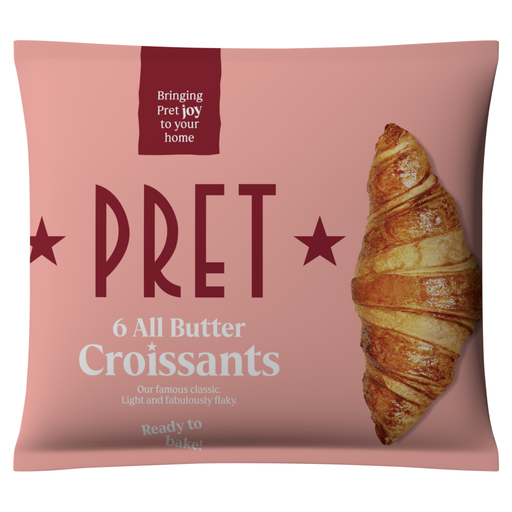
Joybuy product options for a planned frozen bake-at-home croissant as an occasional packed-lunch pastry component.
 No image available
A plain frozen croissant option for households able to prepare an occasional lunch component before the school day.
Keep frozen at -18°C or cooler and bake from frozen for 20 minutes. Contains wheat, gluten, milk and egg; may contain nuts, sesame and soya. Check the current pack declaration and the school’s policy before packing.
Usually not. Use it as one part of lunch with fruit or vegetables and a protein food; NHS-linked packed-lunch guidance recommends including foods from several food groups.
There is no single UK-wide rule covering every school. In England, the Department for Education says schools must publish an allergy safety policy, but practical arrangements are school-specific, so check the individual school before packing a croissant.
Check for wheat or gluten, milk and egg first, then read any precautionary statement for nuts, sesame, soya or other allergens. Waitrose No.1 may contain nuts, Lidl lists a broad trace-allergen statement, and Asda’s filled Biscoff croissant lists several allergens.
No. A premium label or butter provenance describes ingredients or positioning, not whether the item suits the whole lunch. Compare the nutrition panel per croissant and plan the rest of the lunch around it.
They can work with planned preparation. The Joybuy Pret product needs frozen storage and 20 minutes’ baking from frozen, so a ready-to-eat croissant is generally simpler for a school morning.