
24/7 Customer Support

Free returns

Same-day & Next-day Delivery

Quality Guaranteed

Unlock Your Welcome Offers: FREE Delivery | Up to 80% OFF | Free 30-day JoyPlus trial
Download the APP
Buying premium gin can be more complicated than choosing between a classic London Dry gin and a colourful fruit gin. Bottle design, limited-edition language and claims about botanicals can make products appear more distinctive than they taste. The right choice depends on how you plan to serve it, the flavour profile you enjoy and the practical details on the label.
This guide highlights common buying traps, explains the specifications worth checking and matches several options to different UK shopping needs. All alcoholic drinks featured are for adults aged 18 and over.
A decorative bottle may suit a gin gift, but attractive packaging does not tell you whether the gin will work in a Martini, a gin and tonic or a fruit-led cocktail. Look beyond the label and check the ABV, bottle size, ingredients and stated flavour profile.
Flavoured gin can range from lightly aromatic to strongly fruit-forward. A raspberry gin, blood orange gin or rhubarb and ginger gin may contain natural flavourings without being a liqueur. Check whether the product description identifies added sugar, sweeteners or carbohydrates. Several products in this selection list zero carbohydrates and zero sugars per 100ml, but the label supplied with your order should always be treated as the final reference.
A pack of two 70cl bottles offers a total of 1.4 litres, but it may not suit someone who wants to try one unfamiliar flavour. Conversely, a 1 litre gin bottle can be practical for frequent hosts, although it may take longer to finish after opening. Compare the total volume, not only the headline price.
Premium gin commonly sits around 40–46% ABV. For example, the listed Tanqueray London Dry Gin Vol. 1L is 41.3% ABV, Whitley Neill Rhubarb & Ginger Gin is listed at 43% ABV, Brecon Special Edition Botanicals Gin is 40% ABV and No. 3 Organic London Dry Gin is 46% ABV.
A standard 70cl bottle at approximately 41.3% ABV contains around 28.9 UK units, while a 1 litre bottle at the same strength contains more. The UK Chief Medical Officers advise that adults should not regularly drink more than 14 units per week. Drink responsibly, never drink and drive and do not consume alcohol during pregnancy.
Juniper is the defining botanical in gin, but supporting ingredients create a very different drinking experience:
If you prefer a traditional cocktail base, select a juniper-forward bottle such as Tanqueray or Nicholsons ‘The Original’. For a more approachable long drink, a fruit-led option may be more suitable.
A 70cl gin is a flexible choice for personal use, gifting and occasional entertaining. A 1 litre bottle is more appropriate when you regularly prepare gin and tonic for guests or make cocktails at home. Packs of two can be useful for parties or for comparing complementary flavours, but check the exact contents and whether both bottles are the same expression.
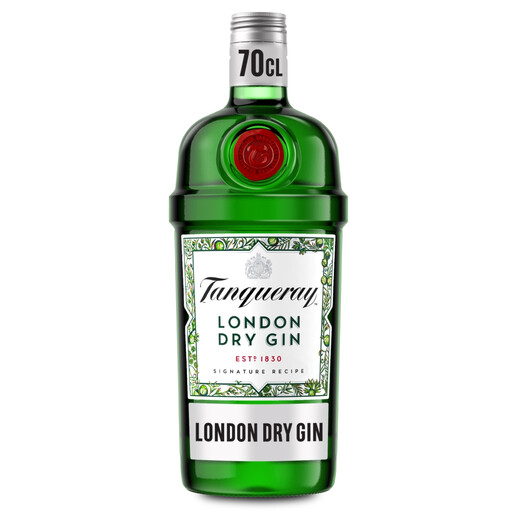
Why This Fits Their Persona: A familiar 70cl format gives new gin drinkers a straightforward starting point for G&Ts and classic cocktails without committing to a larger bottle.
The listed 41.3% ABV and 28.9 UK units per bottle make the strength and quantity easier to assess than relying on packaging or promotional wording.
Classic juniper, coriander, angelica and liquorice botanicals; suitable for G&Ts, Martinis and Negronis.
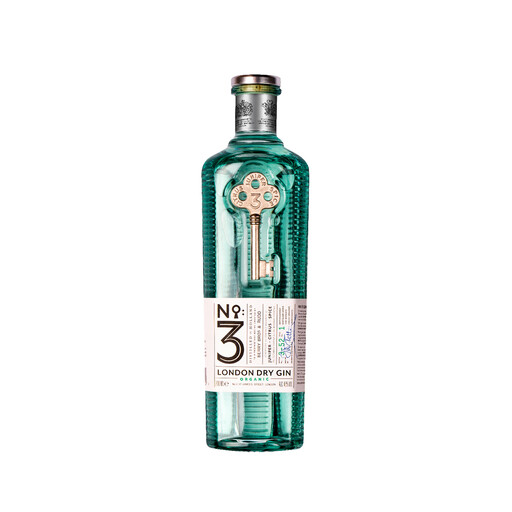
Why This Fits Their Persona: A higher-strength London Dry gin suits shoppers who value a clearly defined juniper, citrus and spice profile for spirit-forward serves.
Its stated 46% ABV is visible before purchase, helping buyers distinguish a stronger spirit from one that simply uses premium-sounding language.
70cl bottle; organic botanicals are listed; designed for Martini, Negroni and gin and tonic serves.
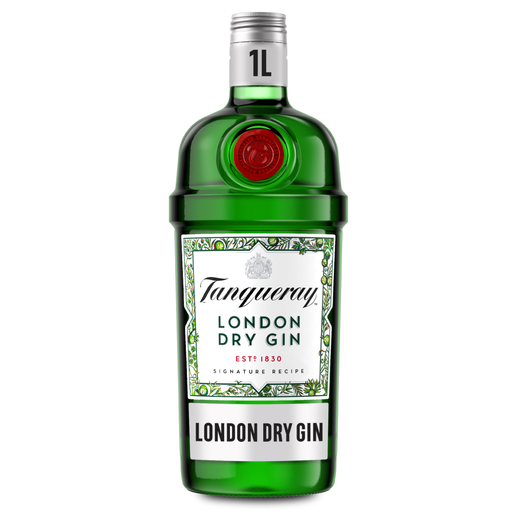
Why This Fits Their Persona: The larger bottle is practical for regular hosts, home-bar owners and shoppers preparing multiple gin-based drinks.
The 1 litre volume is clearly stated, so frequent users can compare capacity rather than assuming a larger-looking bottle contains more.
41.3% ABV; four listed core botanicals; works in G&Ts, Dry Martinis, Negronis and Gimlets.
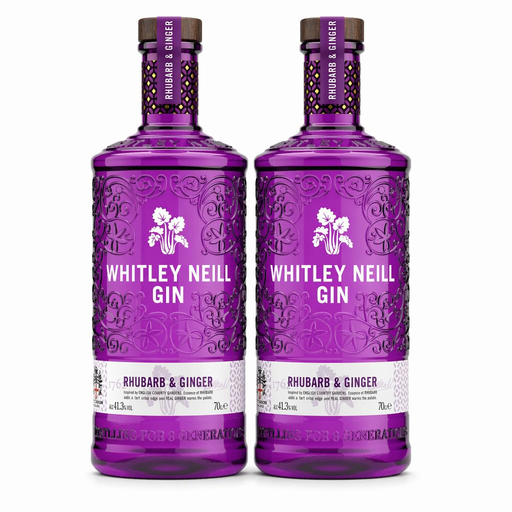
Why This Fits Their Persona: The recognisable rhubarb and ginger pairing offers a more distinctive gin gift or entertaining option than a standard juniper-led bottle.
The flavour direction, 43% ABV and two-bottle format are specified, reducing uncertainty around sweetness, strength and quantity.
Rhubarb, ginger, juniper and citrus botanicals; suitable for G&Ts, martinis, spritzes and fruit-led cocktails.
For a balanced gin and tonic, begin with the product’s recommended ratio or use approximately 25ml gin to 100–150ml tonic. Add plenty of ice and choose a garnish that supports the flavour rather than masking it.
Store bottles upright in a cool, dry place away from direct sunlight. Replace the cap securely after pouring. Always check the product label for the latest storage, allergen and alcohol information.
We have compiled a complete, real-time list of products that fully satisfy these strict selection criteria and UK safety regulations.
It depends on your intended serve. A more detailed botanical recipe or distinctive flavour may justify a higher price if you drink it neat or in spirit-forward cocktails. For large gatherings, bottle size and mixer compatibility may matter more than limited-edition positioning.
Gin does not usually spoil quickly when stored correctly, but its aroma and botanical character can gradually change after opening. Keep it tightly sealed, upright and away from heat and sunlight. For the most reliable flavour, follow the storage guidance on the bottle.
A 1 litre gin is practical for regular hosting, while a 70cl bottle is easier to store and suitable for smaller occasions. Packs of two 70cl bottles provide variety or additional volume, but check the total UK units and serve responsibly.