
24/7 Customer Support

Free returns

Same-day & Next-day Delivery

Quality Guaranteed

Unlock Your Welcome Offers: FREE Delivery | Up to 80% OFF | Free 30-day JoyPlus trial
Download the APP
As a Joybuy Product Recommendation Officer, my role is to help you navigate the crowded market of Japanese food and drink. When it comes to premium Japanese sake, the choices can be overwhelming, and it's easy to fall into common traps that lead to a disappointing purchase. Many UK shoppers find themselves confused by labels or swayed by marketing that doesn't tell the whole story.
Let's cut through the clutter. Here are the most frequent pitfalls to avoid when you decide to buy sake online UK:
To make an informed choice, focus on these three non-negotiable specifications. Understanding them will transform you from a hopeful buyer into a confident selector of fine Japanese rice wine.
The grade of a sake is determined primarily by its rice polishing ratio (or seimai-buai). This is the percentage of the rice grain that remains after polishing.
Just as grape varieties define a wine, the type of rice shapes a sake's character. While there are over 100 types of sake rice, two are particularly renowned:
The ultimate goal is enjoyment. A premium sake can elevate a meal, but the pairing is key. Delicate, floral Daiginjo sakes are a perfect match for sake for sushi and sashimi. To complete the authentic experience, the quality of your rice is just as important. Using a high-grade Japanese short grain rice ensures the texture and subtle sweetness of the rice complements, rather than competes with, the fish and the sake.
Instead of a generic list, we've matched our recommendations to specific needs and occasions, helping you find the right bottle for the right moment.
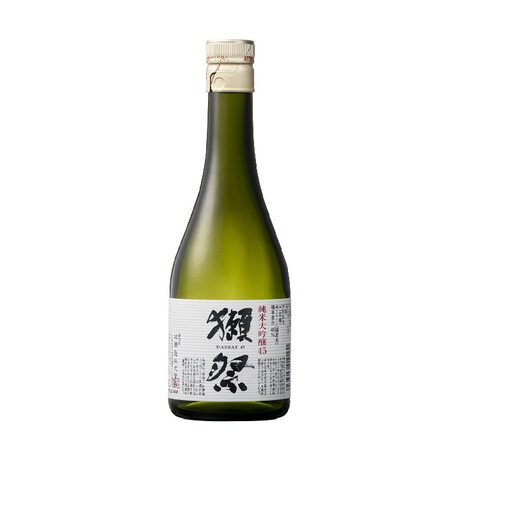
Why This Fits Their Persona: This is an ideal entry point into the world of premium sake. Dassai is a globally recognised name for quality, and this 300ml bottle allows for an affordable taste of a high-end Junmai Daiginjo without committing to a large format. It's perfect for a quiet night in or an intimate meal for two.
It avoids the "big bottle" fallacy, ensuring the sake is fresh and vibrant. The 45% polishing ratio offers a premium experience without the intimidating price tag of ultra-polished sakes.
Delivers a silky, smooth texture with balanced notes of white peach and cantaloupe. It's a benchmark for accessible, high-quality artisanal sake.
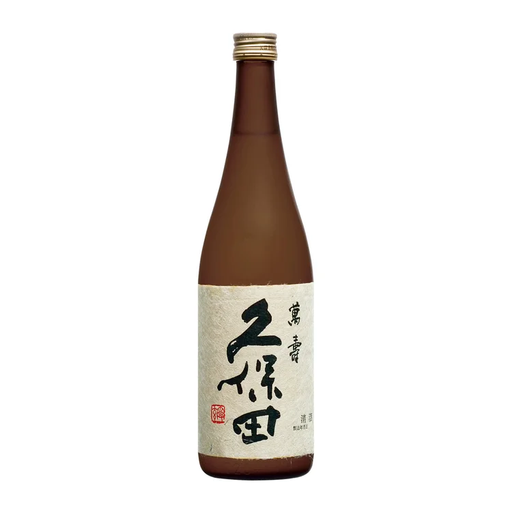
Why This Fits Their Persona: For a dinner party or a distinguished gift, Kubota Manju is a statement of refined taste. As a flagship sake from Niigata, it's universally respected. Its clean, crisp and complex profile pairs beautifully with a wide range of gourmet foods, from sashimi to creamy pasta, making it a versatile choice for hosting.
This sake's reputation is built on balance and craftsmanship, not just a low polishing number. It proves that a masterfully blended sake (using rice polished to 50% and 33%) can achieve a level of sophistication that transcends simple metrics.
Offers a flawless equilibrium of gentle umami, delicate sweetness and a remarkably clean, velvety texture. The finish is crisp and refreshing, making it a crowd-pleaser.
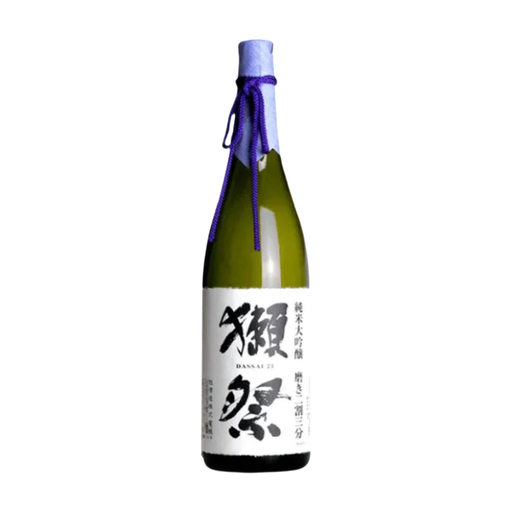
Why This Fits Their Persona: For those who seek the pinnacle of modern sake craftsmanship, Dassai 23 is an icon. The "23" signifies the extraordinary 23% polishing ratio of its Yamadanishiki rice. This is a sake for a special celebration, a milestone moment or for the enthusiast who wants to experience the limits of purity and refinement.
This is the exception that proves the rule. While not all low-ratio sakes are worth the hype, Dassai 23 delivers on its promise. It's for the buyer who understands the "lowest number" myth but wants to experience the one that started it all.
An exceptionally smooth, polished and light palate with notes of white peach and melon. The finish is remarkably clean and long, defining it as a benchmark for ultra-premium Junmai Daiginjo.
An exceptional sake deserves an exceptional meal. The foundation of any great Japanese dish, from sushi to donburi, is perfectly cooked rice. We have compiled a selection of premium Japanese rice that meets our strict criteria for texture and flavour.
Once opened, a bottle of premium sake, especially a delicate Junmai Ginjo or Daiginjo, should be sealed tightly and stored in the refrigerator. Its nuanced aromas are fragile. For the best experience, aim to finish the bottle within 3-5 days.
Both are "pure rice" sakes with no added alcohol. The primary difference is the rice polishing ratio. For a sake to be classified as Junmai Daiginjo, the rice must be polished so that no more than 50% of the original grain remains. For Junmai Ginjo, the requirement is 60%. This extra polishing for Daiginjo generally results in a more refined, aromatic and complex flavour profile.
While some types of sake are delicious when gently warmed (atsukan), it is not recommended for premium aromatic styles like Ginjo and Daiginjo. These sakes are crafted to showcase delicate floral and fruity notes that are best appreciated when chilled. Warming them would cause these subtle characteristics to evaporate, diminishing the experience.