
24/7 Customer Support

Free returns

Same-day & Next-day Delivery

Quality Guaranteed

Unlock Your Welcome Offers: FREE Delivery | Up to 80% OFF | Free 30-day JoyPlus trial
Download the APP
Navigating the world of premium Japanese drinks can feel like a complex task. With a growing number of options available in the UK, it's easy to feel overwhelmed by unfamiliar terms and elegant bottles. Many shoppers find themselves choosing a product based on its packaging, only to be disappointed by the contents, or they invest in a high-end gift that doesn't quite suit the recipient's palate.
As a Joybuy Product Recommendation Officer, my role is to help you see past the marketing and make informed choices. Here, we'll look at the common pitfalls when you buy premium sake online and highlight what truly matters, ensuring your next purchase, whether for yourself or as a sophisticated Japanese drink gift set, is a rewarding one.
To avoid these traps, focus on a few key product specifications. These details provide a much clearer picture of quality and flavour profile than any marketing slogan.
This is perhaps the single most important factor in determining the grade of a sake. It refers to the percentage of the original rice grain that remains after it has been polished.
Dassai 23 UK take this to an extreme, polishing the rice to just 23%.While tasting notes are subjective, look for objective clues. Many producers include a Sake Meter Value (SMV), or Nihonshudo, on the label. This indicates the sake's density relative to water.
Acidity also plays a key role. Higher acidity can make a sweet sake taste crisper and more balanced, while lower acidity can give a dry sake a smoother, rounder mouthfeel.
Just like wine, sake has regional characteristics. For example, breweries in Niigata Prefecture, such as the one that produces Kubota Manju sake, are famous for their tanrei-karakuchi style—crisp, clean and dry, a result of the area's soft water and cold winters. Knowing the brewery's home region can give you a hint about the style you can expect.
Instead of providing a generic list, we've matched a few standout options to specific tastes and occasions, helping you find the right fit.
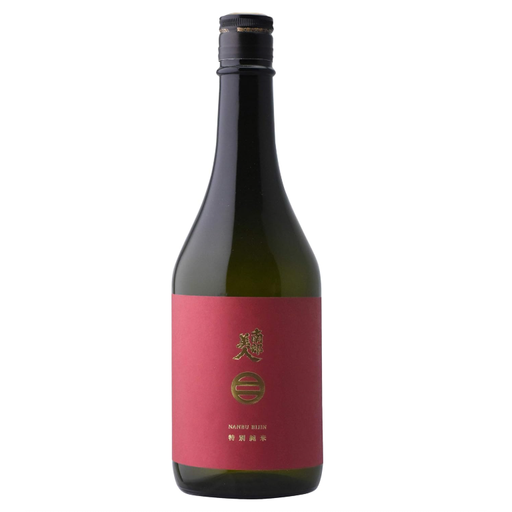
Why This Fits Their Persona: Perfect for someone starting their premium sake journey. It's an internationally recognised sake that is celebrated for its food-pairing versatility, making it a safe yet sophisticated choice for exploring how sake complements meals beyond sushi.
It sidesteps the "fancy bottle" trap. Its reputation is built on quality, not just marketing, having been named Champion Sake at the 2017 International Wine Challenge. The "Tokubetsu Junmai" classification is clearly explained, avoiding terminology confusion.
Features a gentle, fruity aroma with a clean finish. It is also certified vegan, making it an inclusive choice for gifting.
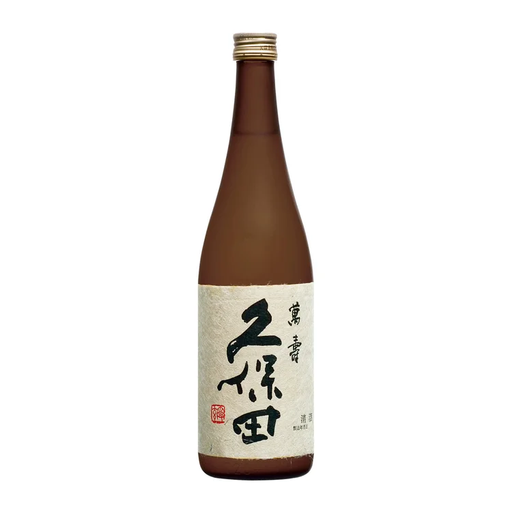
Why This Fits Their Persona: This is for someone seeking a benchmark of quality or a truly impressive gift. Kubota Manju is a flagship sake from a historic brewery in Niigata, representing the pinnacle of the region's celebrated crisp and dry style. It's a name that carries weight among those in the know.
It avoids the gifting mismatch by being a universally revered, balanced example of a premium junmai daiginjo sake. Its complex but clean profile appeals to a wide range of discerning palates, making it a reliable choice for a high-end gift.
Offers a sophisticated, multi-layered bouquet with a velvety texture and a remarkably clean finish. The rice is polished to an ultra-refined 33%.
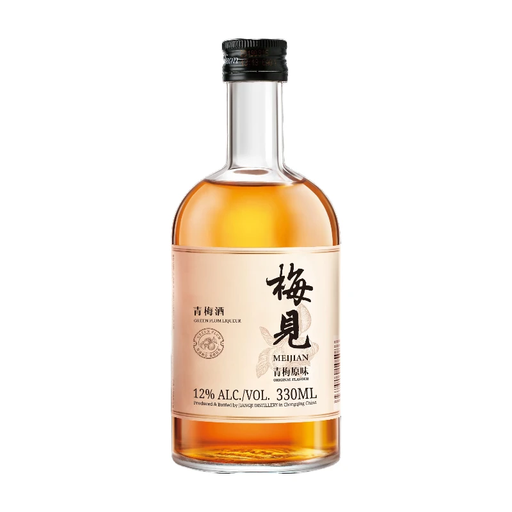
Why This Fits Their Persona: Ideal for someone entertaining guests who wants to offer something unique beyond wine or sake. This chinese plum liqueur is approachable, with a balanced sweet-and-sour profile that works well on its own, on the rocks or as a base for simple cocktails.
It avoids the terminology tangle completely by offering a delicious and accessible alternative to sake. Its purpose is clear: a refreshing, easy-to-serve liqueur for social gatherings, making it a foolproof choice for hosts.
Lightly sweet and easy to drink with a 12% ABV. The elegant bottle also makes it a fine addition to a drinks trolley or as a simple gift.
We have compiled a complete, real-time list of products that fully satisfy these strict selection criteria and UK safety regulations.
Once opened, a bottle of premium sake, especially a delicate Junmai Daiginjo, should be re-sealed and stored in the refrigerator. Its fresh, nuanced aromas are fragile. Aim to consume it within three to five days for the best experience.
The key difference is the word "Junmai," which means "pure rice." A Junmai Daiginjo is made from only rice, water, yeast and koji. A sake labelled simply as Daiginjo has the same high rice polishing ratio (50% or less) but contains a small amount of added distilled brewer's alcohol. This is not a sign of lower quality; it's a traditional technique used to extract more fragrant and fruity aromas from the mash.
While some types of sake (like many standard Junmai or Honjozo) are excellent when gently warmed, it is generally not recommended for premium Junmai Daiginjo. These sakes have very delicate floral and fruity notes that are best appreciated when served chilled (around 10-15°C). Warming them can cause these subtle aromas to evaporate, flattening the complex flavour profile.