
24/7 Customer Support

Free returns

Same-day & Next-day Delivery

Quality Guaranteed

Unlock Your Welcome Offers: FREE Delivery | Up to 80% OFF | Free 30-day JoyPlus trial
Download the APP
Navigating the condiment aisle can feel overwhelming. A wall of bottles, all labelled "soy sauce," presents a confusing choice. Yet, for the discerning home cook, the difference between a standard bottle and a premium soy sauce is night and day. A high-quality soy sauce doesn't just add saltiness; it imparts a deep, complex savouriness—or umami—that can elevate a simple dish into something truly special.
As more of us in the UK become conscious of what goes into our food, the demand for authentic, well-crafted condiments has grown. Many are now seeking options with cleaner ingredients, less sodium and a more genuine flavour profile.
I'm Joybuy, your Product Recommendation Officer. My role is to help you sift through the options and make informed choices. This guide will walk you through what to look for in a premium soy sauce and highlight a few standout products that deliver on both quality and flavour.
Before we look at specific products, here are a few key things to consider when you're selecting a high-quality soy sauce.
The most significant factor in a soy sauce's quality is how it's made. Traditionally, brewed soy sauce is created by fermenting soybeans, wheat, salt and water over several months. This natural process develops a rich, nuanced flavour. In contrast, many mass-market soy sauces are produced chemically in a matter of days using hydrolysed soy protein and additives like caramel colouring and corn syrup. For a truly natural soy sauce, always check the label for terms like "naturally brewed" or "traditionally brewed."
A premium product often has a simple, recognisable ingredient list. When you're looking for a zero additive soy sauce, you should expect to see little more than water, soybeans, wheat and salt. Some may include a small amount of sugar to balance the flavour. Be wary of sauces with a long list of chemical-sounding names, preservatives or flavour enhancers like MSG. The quality of the core ingredients, such as non-GMO soybeans, also plays a crucial role in the final taste.
Soy sauce is not a one-size-fits-all ingredient. If you are monitoring your salt intake, a low sodium soy sauce is an excellent choice. Premium versions reduce sodium without sacrificing the deep umami flavour. You should also know the difference between types. A light soy sauce (or shēng chōu) is thinner and saltier, making it a versatile all-rounder and a great soy sauce for stir fry, marinades and dipping. Dark soy sauce (lǎo chōu) is aged longer, is thicker and has a sweeter, less salty taste, used primarily to add rich colour to braised dishes.
Based on their ingredients, flavour profile and suitability for the modern, health-conscious kitchen, here are our recommendations.
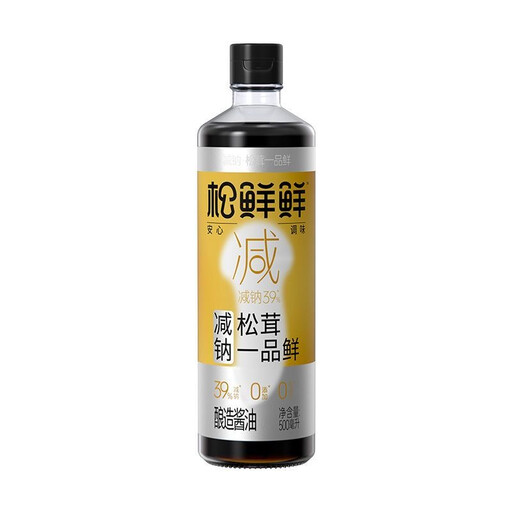
Why It Stands Out: This is more than just a soy sauce; it's a unique umami sauce. The infusion of precious Matsutake mushrooms (Boletus Edulis) adds an incredible earthy depth and savoury complexity that you won't find in standard sauces. It’s a gourmet ingredient that can become your secret weapon in the kitchen.
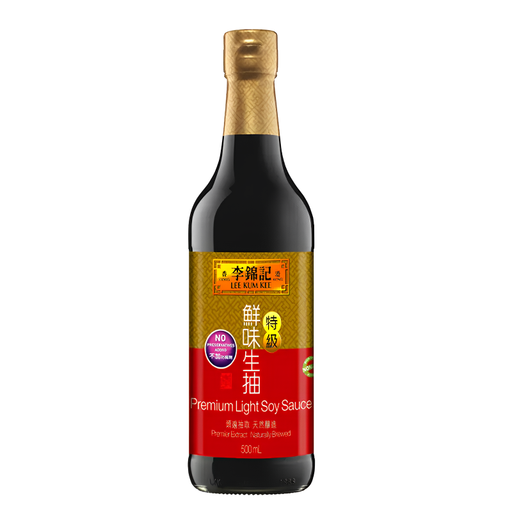
Why It Stands Out: Lee Kum Kee is a globally recognised brand with over a century of heritage, and this product is a testament to that legacy. It is a classic, high-quality Chinese soy sauce that serves as a reliable benchmark. Its balanced flavour and consistent quality make it an indispensable staple for any kitchen.
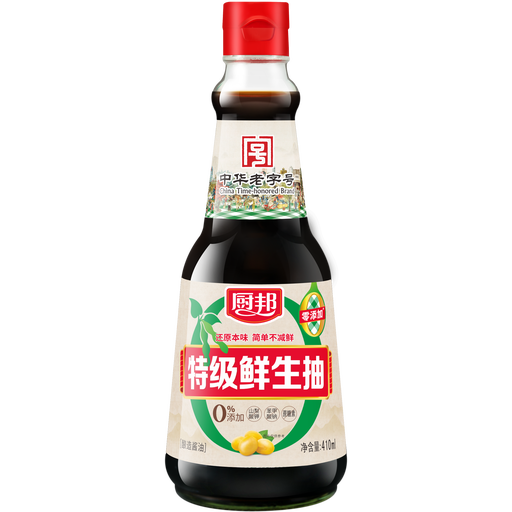
Why It Stands Out: The primary appeal of this Chubang soy sauce is its absolute purity. With a "clean label" promise of zero additives, it contains only five natural ingredients. This is a traditionally brewed soy sauce that lets the quality of its core components shine through, delivering a fresh and balanced flavour.
Our recommendations cover a range of needs, from gourmet flavour to everyday reliability and ingredient purity. However, the world of premium soy sauce is vast. If you're looking for different flavour profiles, bottle sizes or specific types like dark or sweet soy sauce, we invite you to explore our full collection.
Explore our complete range of premium soy sauce here.
A light soy sauce is the most common type used for seasoning. It is thinner, lighter in colour and saltier, intended to add savoury flavour without significantly altering the colour of the dish. Dark soy sauce is aged longer with the addition of molasses or caramel. This makes it thicker, darker and less salty but with a slightly sweeter taste. It is used primarily to add a rich, appealing colour to dishes like red-braised pork and stews.
Check the label for phrases like "naturally brewed" or "traditionally fermented." The most reliable indicator is the ingredient list. A brewed soy sauce will have a simple list, typically starting with water, soybeans, wheat and salt. Chemically produced versions often contain "hydrolysed soy protein" and a list of additives to mimic the colour and flavour of a properly brewed sauce.
Yes, a high-quality low sodium soy sauce can be just as flavourful. To compensate for the lower salt content, producers often use a longer fermentation process to develop a deeper, more complex umami character. Others, like the Songxianxian sauce mentioned above, incorporate other natural ingredients to build a rich flavour profile, proving that reducing salt doesn't mean you have to sacrifice taste.