Families planning quick cupboard meals
A tin can be useful for a rushed lunch or light supper. Check its stated portions against the number of people eating, then decide whether the meal also needs bread, sandwiches or other food.


Choose a ready-to-heat tin for a quick lunch, starter or part of a family meal when its stated portions fit the people eating. For a larger shared serving, check how many tins and accompaniments you need: Tesco lists premium tinned examples at 400g and chilled alternatives at 560g or 600g, but pack weight alone does not establish meal portions. If the soup is an ingredient in a cooked family dish, Campbell's condensed range serves a different purpose and requires the rest of the recipe.
A tin can be useful for a rushed lunch or light supper. Check its stated portions against the number of people eating, then decide whether the meal also needs bread, sandwiches or other food.
If children will eat the soup, or someone has an allergy or dietary requirement, compare the exact recipe's salt information, ingredients and allergen labelling rather than relying on its flavour or range name.
Condensed soup can be a cooking ingredient rather than the finished meal. Campbell's UK publishes recipes that combine a can with other ingredients to make a four-serving dish; check the whole recipe when planning the meal.
Decide whether you need bowls of ready-to-heat soup or an ingredient for cooking, then compare portions and labels for the exact recipe.
| Priority | What to check | Your needs |
|---|---|---|
| Meal portions | Check pack weight, the stated number of portions and the amount each person will eat. Tesco listings include 400g premium tins and 560g or 600g chilled soups; a larger pack does not by itself establish how many people it feeds. | I'm serving several people, so I need to work out whether soup is the meal, a starter or one part of lunch. |
| Preparation and storage | Distinguish ready-to-heat tinned soup from chilled soup and condensed soup intended for recipes. Check storage and preparation instructions, including the other ingredients a recipe requires. | A cupboard option suits a quick lunch; if I'm cooking a shared dish, I can plan around a condensed-soup recipe instead. |
| Salt and serving basis | Compare salt per 100g and per stated portion on a like-for-like prepared basis. NHS guidance explains that traffic-light labels, where present, indicate whether a food's salt level is high, medium or low. | If children regularly eat the soup, I want to compare the amount they will actually be served, not just the figures for a whole tin. |
| Ingredients and dietary fit | Read the exact recipe's ingredients, highlighted allergens, any precautionary allergen statement and any stated dietary suitability. Do not transfer a claim from one flavour to another. | Someone in my household needs a particular ingredient or dietary check, so the label on the soup I buy matters more than the range name. |
Pack weight does not tell you how many portions your household will get. Tesco's listed premium tinned examples are 400g, while some chilled alternatives are 560g or 600g.
Check the portion statement, count the people eating and decide whether you need more tins or food alongside the soup.
A whole-can figure, a per-portion figure and nutrition for condensed soup prepared as instructed describe different amounts of food.
Compare salt per 100g on the same preparation basis, then use the stated portion information to consider the amount being served. Traffic-light labelling can provide another quick label check where it appears.
Suitability can differ between recipes. M&S labels its Cream of Mushroom Soup suitable for vegetarians, whereas it describes its Collection French Onion Soup as made with beef stock and wine.
Check the ingredients, allergens, precautionary statements and dietary wording on the exact product.
Campbell's UK has a four-serving recipe using one 295g can of condensed tomato soup alongside other ingredients. The can alone is not the whole recipe.
Choose condensed soup when you intend to make the dish; otherwise check the portions of a ready-to-heat option.
Allow for the other ingredients and cooking time the chosen recipe requires.
These examples show different soup formats and recipe uses; a brand name alone does not establish portions or dietary suitability.
M&S lists classic, creamy and chunky styles in its tinned-soup range.
Waitrose lists Heinz classic 400g soups and a Cream of Tomato 4 × 400g multipack; Tesco also lists 400g Big Soup varieties.
Campbell's UK presents condensed soup for use in cooking, including a recipe using a 295g can of Cream of Tomato Soup in a four-serving dish.
Tesco lists Finest chilled soups in 600g packs within its premium chilled-soup selection.
These 400g tins are options for a ready-to-heat cupboard meal or meal component. Compare their recipes and check pack portions before deciding how many people each tin will serve; chilled and condensed soups call for different storage or cooking plans.
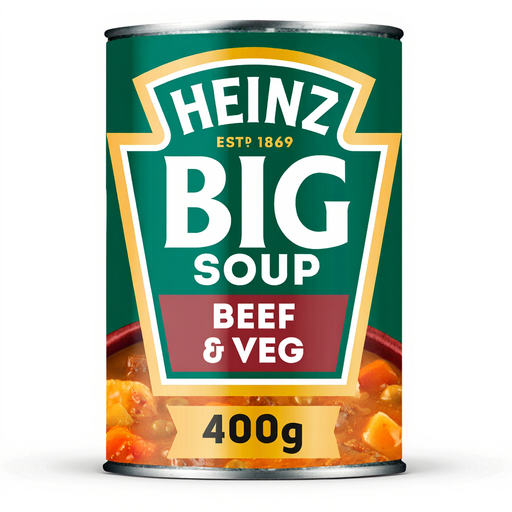 No image available
A beef-and-vegetable tinned option for a quick meal or part of a family lunch. Check the stated portions and current ingredient, allergen and salt information when planning how much to serve.
 No image available
A mushroom soup to consider for a smaller meal or as one part of lunch. Check the pack's portions, ingredients, allergens and salt information for the people eating it.
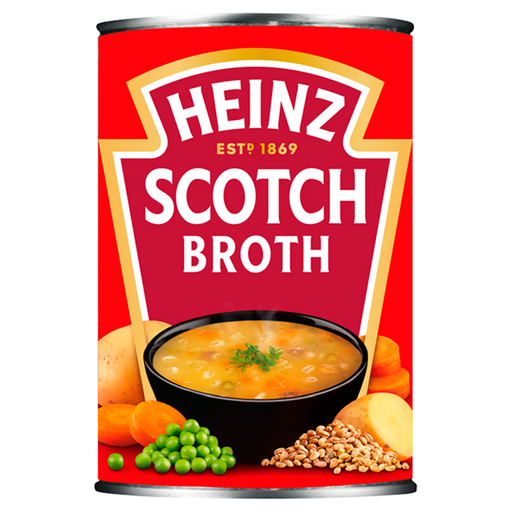 No image available
A broth-style tin for a quick lunch or light meal. Check the pack's serving information before planning family portions, and read its ingredient and allergen label for the exact recipe.
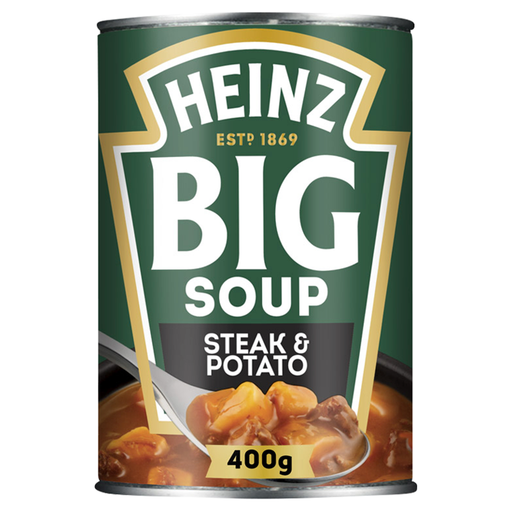 No image available
A steak-and-potato tinned option for a quick meal or meal component. Use the pack's portion guidance to plan quantities, and check its current ingredients, allergens and salt information.
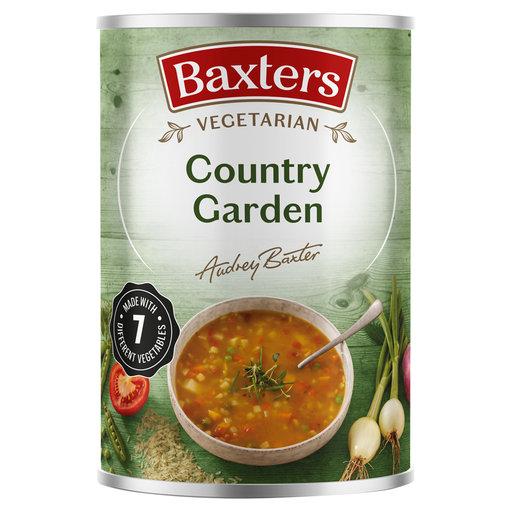 No image available
A vegetarian-labelled tinned option for a cupboard meal or meal component. Check the stated portions for your household and read the current ingredient, allergen and salt information.
Do not assume that one tin will serve everyone. Tesco lists premium tinned examples at 400g, but pack weight alone does not establish portions; check the serving statement and decide whether the soup is a main meal, a starter or one part of a meal with other food.
Compare the label's salt figures per 100g and per stated portion on the same preparation basis, then consider the amount being served. NHS guidance gives different maximum daily salt amounts by age; traffic-light labelling, where shown, identifies whether a product's salt level is high, medium or low.
Read the ingredients, highlighted allergens and any precautionary allergen statement on the exact soup each time you buy it. The Food Standards Agency explains that precautionary labelling communicates a risk that an allergen could be unintentionally present; a flavour name is not an allergen check.
Yes, as an ingredient in a larger cooked dish rather than automatically as the whole meal. Campbell's UK publishes a four-serving recipe using one 295g can of condensed tomato soup with other ingredients; check the complete recipe, portions and ingredient labels.
No. Compare the exact product's stated portions, ingredients, allergens and nutrition label. The NHS explains how colour-coded labels present salt and other nutrition information; the range name cannot replace those product-specific checks.