Older shoppers planning simple meals
People looking for a cupboard ingredient that contributes protein without much preparation. The tuna still needs to fit the rest of the meal, particularly when appetite is limited.


A premium tin is worth considering when its format solves a practical problem, such as draining the tuna, or when its texture suits the meal; the premium label alone does not establish a protein or salt advantage. If the meal needs more energy, compare the exact oil-packed and spring-water products rather than assuming every oil-packed tin is alike. Check the label on a comparable basis, and follow individual clinical advice where a modified food texture is prescribed.
People looking for a cupboard ingredient that contributes protein without much preparation. The tuna still needs to fit the rest of the meal, particularly when appetite is limited.
People who want to compare the tuna’s salt figure on the pack and consider the bread, sauces or other ingredients served with it.
A no-drain pack may simplify preparation, but an easier-to-handle tin does not answer whether its contents meet a person’s prescribed food texture. University Hospitals Birmingham NHS Foundation Trust advises following the individual texture-modified diet.
For an older person’s meal, decide what the tuna needs to contribute and whether opening, draining or a prescribed texture changes what can be served.
| Concern | What to check | Who this matters to |
|---|---|---|
| Protein and meal energy | Compare protein and energy using the same label basis, including whether figures are for drained tuna. Consider what else makes up the meal. | If appetite is limited, I want a manageable meal with protein and enough food overall, rather than relying on the tuna alone. About 31% of consumers put protein and meal energy first. |
| Salt in the meal | Read salt per 100g and per serving on the current pack; include accompaniments when comparing meals. | I may choose tuna for a simple meal, but salt in the tin and the foods served with it both matter to me. Salt is the primary concern for about 31% of consumers. |
| Opening and draining | Confirm the exact pack’s opening mechanism, whether draining is required and whether its size suits the meal. | When opening a tin or draining liquid is difficult, I need a format I can handle with less preparation. Roughly 23% of consumers chiefly prioritise handling. |
| Prescribed food texture | Check the individual texture plan with the relevant clinician before serving; do not judge suitability by the tuna’s appearance. | If the person I care for has swallowing difficulties, I need the served food to match their prescribed texture. For about 15% of consumers, that requirement comes first. |
A steak cut, different packing medium or convenience format does not itself establish a protein or salt advantage. Princes lists 23.5g protein per 100g drained for both its spring-water and sunflower-oil chunks, but their energy figures differ: 99kcal and 180kcal respectively.
Compare the current packs’ protein, energy and salt on the same basis, then choose the format that fits the intended meal.
Tuna can contribute to a meal, but choosing a different packing medium does not address why someone is losing weight without intending to.
Seek GP advice about unintentional weight loss rather than relying on a premium food choice as the response.
Flakes and chunks do not automatically meet an individually prescribed texture. University Hospitals Birmingham NHS Foundation Trust warns that food of an unsuitable texture can enter the lungs.
Follow the person’s prescribed preparation and serving advice before using tinned tuna.
Bread, cheese and sauces can also contribute salt to a tuna meal. The NHS advises adults to have no more than 6g of salt a day from all foods.
Check the tuna’s serving information alongside the other ingredients, rather than treating spring water or a premium label as a salt guide.
Its No Drain range is relevant when removing the draining step would make meal preparation easier.
Its chunks provide a documented comparison between spring-water and sunflower-oil packing.
Tesco lists both spring-water chunks and a 110g tuna-steak product with a little spring water.
Its 145g spring-water chunks are relevant to shoppers interested in the stated fishing method.
Its spring-water chunks offer published figures for a like-for-like label check.
Its 200g Tuna Steak in Olive Oil is a steak-format option for shoppers who prefer oil packing.
These tins offer spring-water chunks, sunflower-oil chunks, no-drain packs and an olive-oil steak format. Choose by the meal and handling requirement, using each pack’s label for nutritional comparisons.
 No image available
Consider this pack if draining is a preparation barrier and sunflower-oil packing suits the meal. It contains three 100g tins; check the current label when comparing energy and salt with other products. Follow individual texture advice before serving it to someone with swallowing difficulties.
 No image available
This four-tin pack is an option when sunflower-oil chunks fit the planned meal. Compare its current nutrition label with any spring-water alternative on the same basis, and check the opening format if handling a tin is difficult.
No image available
Choose this format if avoiding the draining step matters and spring-water tuna fits the meal. The pack contains three 100g tins; read its current nutrition label before comparing it with drained-weight figures from other tins.
 No image available
This four-tin spring-water pack suits a meal plan calling for tuna chunks rather than an oil-packed steak. Use the current label to compare protein, energy and salt, and confirm the opening and draining steps if either affects preparation.
 No image available
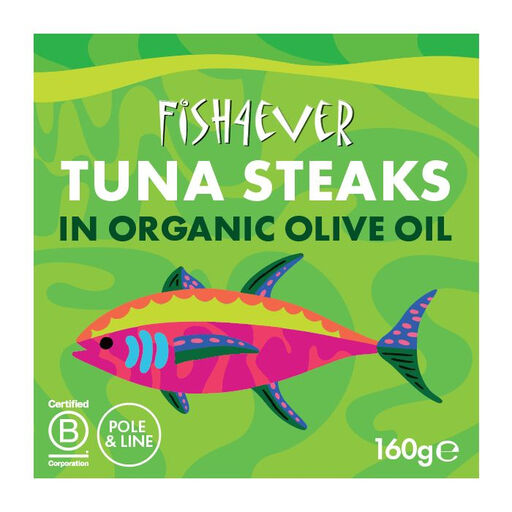
Consider this 160g steak-format tin if olive-oil packing and a steak cut are the intended choice. Check its current label before comparing nutrition figures with drained chunks, and follow any prescribed food-texture advice rather than relying on the cut’s appearance.
No. Princes lists 99kcal and 23.5g protein per 100g drained for its spring-water chunks, compared with 180kcal and the same protein figure for its sunflower-oil chunks. Which fits better depends on the whole meal and whether more food energy is wanted; seek GP advice if weight loss is unintentional.
Not necessarily: check the specific labels. Princes lists 0.85g salt per 100g drained for its spring-water chunks and 0.9g for its brine chunks. The NHS advises adults to have no more than 6g of salt a day, including salt from the rest of the meal.
Do not assume ordinary chunks, flakes or steaks meet a prescribed texture. University Hospitals Birmingham NHS Foundation Trust warns of risks when a needed texture-modified diet is not followed. Ask the person’s relevant clinician how food must be prepared and served.
Tuna is fish, so it is unsuitable for someone with a fish allergy. Follow the storage instructions on the exact pack after opening: a Joybuy listing for John West No Drain Tuna Chunks in Brine, for example, says to refrigerate it and consume it within two days.