
24/7 Customer Support

Free returns

Same-day & Next-day Delivery

Quality Guaranteed

Unlock Your Welcome Offers: FREE Delivery | Up to 80% OFF | Free 30-day JoyPlus trial
Download the APP
Building a premium whisky collection can quickly become expensive when labels, age statements and gift packaging distract from the details that actually affect your choice. Whether you are buying a single malt Scotch whisky, a blended Scotch whisky, Tennessee whiskey or a whisky gift, a little product knowledge helps prevent costly mismatches.
This guide explains the specifications worth checking, common marketing pitfalls and suitable bottles for different UK buying occasions. All alcoholic products mentioned are for adults aged 18 and over.
Age can indicate maturation time, but it does not tell you whether the flavour suits your palate. A 12-year-old whisky may be more appealing to you than a heavily oaked older expression. Also check whether the age refers to the youngest whisky in the bottle. In a legally labelled aged Scotch whisky, the stated age applies to the youngest component.
A single malt Scotch whisky is made at one distillery from malted barley, but it may combine whisky from multiple casks. A single-cask or single-barrel bottle comes from one cask, so flavour and availability can vary more noticeably between releases.
Likewise, a blended Scotch whisky is not automatically a lower-quality choice. It combines malt and grain whiskies to create a particular house style, often making it practical for cocktails, sharing and home bars.
Descriptions such as vanilla, pear, honey, raisin or smoke are useful indicators rather than promises of an identical tasting experience. Cask type, alcohol strength, serving temperature and your own palate all influence perception. Sherry cask whisky commonly suggests dried-fruit and spice notes, while peated whisky may offer smoke, earthy character or a campfire-like profile.
Start with the style rather than the bottle design:
Most standard whisky bottles are 70cl, but smaller formats can suit sampling, travel or gifting. The pack of two Glenfiddich 12-Year-Old Malt bottles contains two 35cl bottles, giving a combined quantity of 70cl while offering separate bottles for sharing or gifting.
A 70cl bottle at 40% ABV contains approximately 28 UK units. Higher-strength bottles contain more: the Berry Bros. & Rudd Classic Speyside 16 Year Old is listed at 48.2% ABV and approximately 33.7 units per bottle. Check the product listing and packaging rather than relying solely on the front label.
The UK Chief Medical Officers advise that adults should not regularly exceed 14 units per week. Alcohol is not suitable during pregnancy, and you should never drive or operate machinery after drinking.
Cask details can help you predict flavour:
Store whisky upright in a cool, dry and dark place. Keep the closure tightly sealed after opening and avoid direct sunlight or major temperature changes.
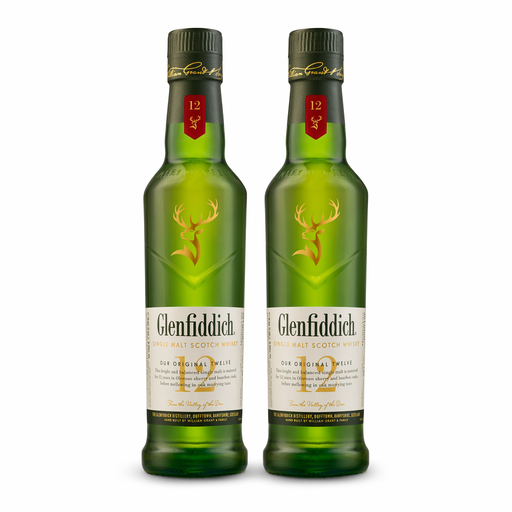
Why This Fits Their Persona: Two smaller bottles are practical for first-time buyers, shared tastings or splitting between a home cupboard and a whisky gift. The Speyside style includes fruit and vanilla-led notes.
The two 35cl bottles make the quantity clear, avoiding confusion between a full 70cl bottle and a smaller individual format.
12-year age statement; 40% ABV; two separately bottled 35cl units.
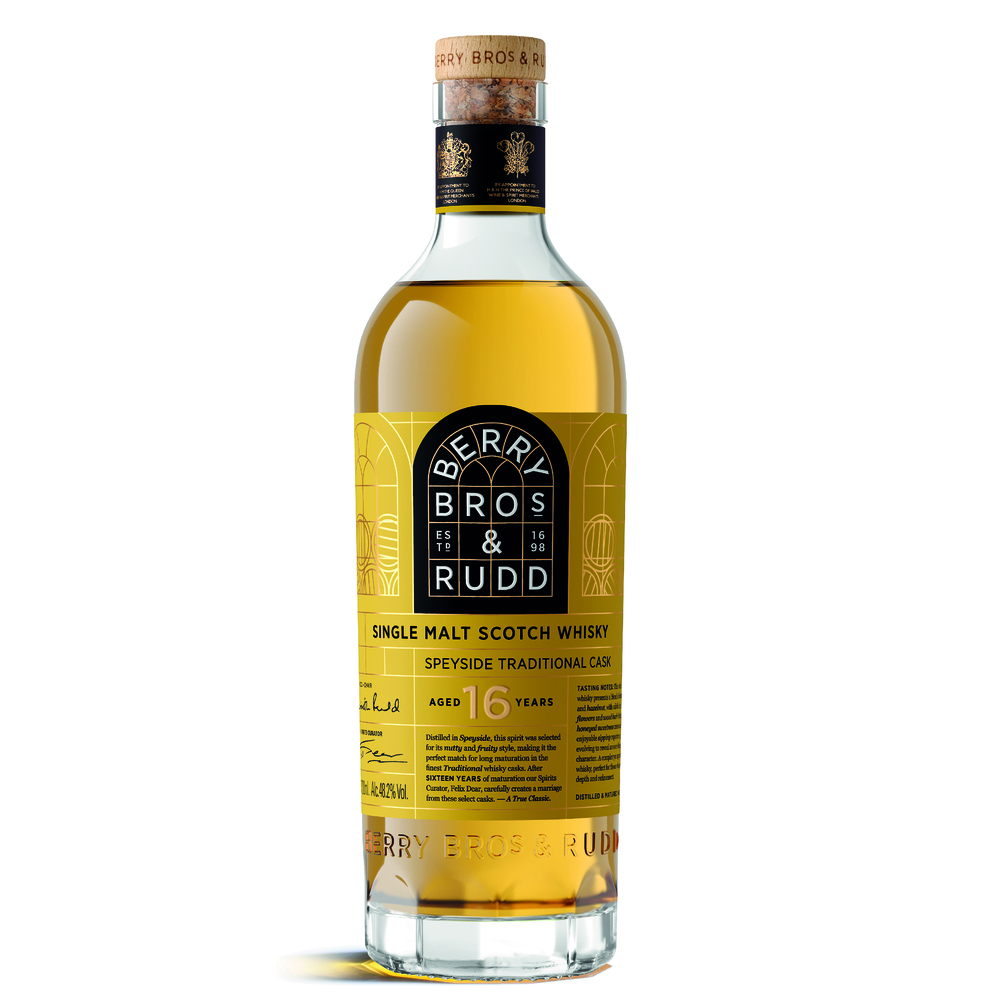
Why This Fits Their Persona: A 70cl single malt with a 16-year age statement and 48.2% ABV suits collectors and drinkers looking for a more concentrated Speyside profile.
Its stated age, bottle size and ABV are presented as checkable specifications rather than relying only on premium-looking packaging.
16-year maturation statement; 48.2% ABV; traditional Speyside cask profile.
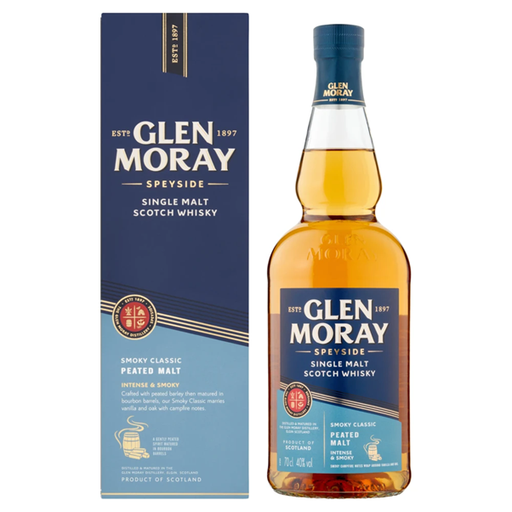
Why This Fits Their Persona: This Speyside single malt uses peated barley and traditional bourbon barrels, making it suitable for drinkers who specifically want smoke balanced with vanilla and oak.
The product is clearly identified as peated, helping buyers avoid accidentally selecting a light, unpeated whisky when smoke is the priority.
70cl bottle; 40% ABV; peated barley with bourbon-barrel maturation.
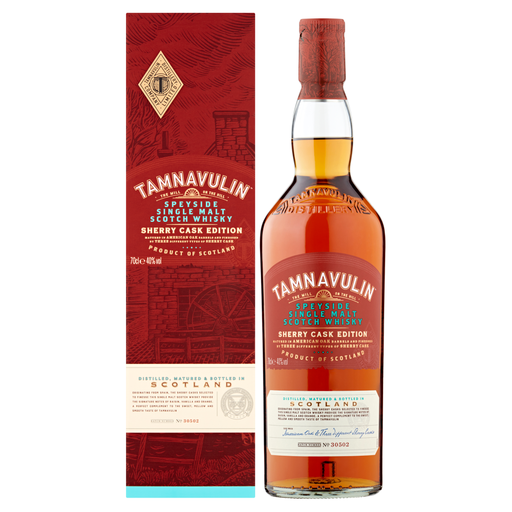
Why This Fits Their Persona: The 70cl Speyside single malt is designed for shoppers seeking a sherry cask whisky with a giftable format and fruit-led flavour cues.
The listing specifies American oak followed by three sherry cask types, giving more useful buying information than a vague “rich” or “luxury” label.
40% ABV; 70cl quantity; raisin, vanilla and orange tasting references linked to sherry cask finishing.
We have compiled a complete, real-time list of products that fully satisfy these strict selection criteria and UK safety regulations.
A 70cl bottle is the standard full-size format and is generally suitable for a whisky gift, home bar or collection. Check whether the listing includes a presentation box, especially for special occasions. Smaller 35cl bottles can be more practical when you want two tasting portions or a lower-commitment purchase.
Properly sealed whisky can remain usable for a long period, but oxygen exposure may gradually affect its aroma and flavour. Keep the bottle upright, tightly closed and away from heat, sunlight and strong odours. Bottles with less liquid may change more quickly because there is more air inside.