
24/7 Customer Support

Free returns

Same-day & Next-day Delivery

Quality Guaranteed

Unlock Your Welcome Offers: FREE Delivery | Up to 80% OFF | Free 30-day JoyPlus trial
Download the APP
Choosing prenatal vitamins can feel straightforward until you compare folic acid tablets, pregnancy multivitamins, DHA capsules and vegan formulas. Packaging often highlights long nutrient lists, “advanced” blends or large tablet counts, but these details do not automatically make a product suitable for your stage of pregnancy or dietary needs.
As the Joybuy Product Recommendation Officer, I focus on practical checks that help UK shoppers avoid paying for the wrong formula, duplicating nutrients or overlooking important allergens.
A standard women’s multivitamin may contain nutrients that are not intended for pregnancy, while omitting or providing different amounts of nutrients commonly considered during pregnancy. Check that the product is specifically labelled for pre-pregnancy, pregnancy or breastfeeding, rather than assuming any women’s supplement is appropriate.
A formula containing dozens of vitamins is not necessarily a practical choice. The useful question is whether it provides the nutrients relevant to your circumstances, such as folate, vitamin D, iron, iodine or DHA. More ingredients can also increase the chance of overlapping with another supplement.
Dual packs may contain one tablet plus one omega-3 capsule, while comprehensive vegan formulas may require two capsules daily. Fish oil, bovine gelatine and soya are present in some pregnancy vitamins with DHA. Always check the full ingredient list, especially if you follow a vegan diet or have an allergy.
For most women planning pregnancy, UK public health guidance recommends 400 micrograms of folic acid daily before pregnancy and until the end of the first 12 weeks. Some people may be advised to take a higher dose by a healthcare professional. Do not combine multiple folic acid or multivitamin products without checking the total intake.
Products such as dedicated folic acid tablets for pregnancy can be useful when you only need folate support. A broader pregnancy multivitamin may be more suitable when your diet or circumstances call for several nutrients, but it should not replace advice from a GP, midwife or pharmacist.
Compare the actual amounts rather than relying on front-of-pack wording. Vitamin D, iron and iodine are commonly included in pregnancy supplements, but individual requirements vary. Iron can be particularly relevant if you have been told that your iron status is low; avoid adding separate pregnancy iron supplements unless advised by a healthcare professional.
Also check whether the formula contains vitamin A as retinol. Pregnancy supplements should be selected carefully because excessive retinol intake can be unsuitable during pregnancy. Follow the product label and professional guidance.
If you are comparing pregnancy vitamins with DHA or omega-3 pregnancy supplements, look for the stated DHA quantity per daily serving, not just the total fish oil. Check whether the capsule contains fish, gelatine or other animal-derived ingredients. A DHA-only product may complement a multivitamin, but taking several overlapping products can lead to unnecessary duplication.
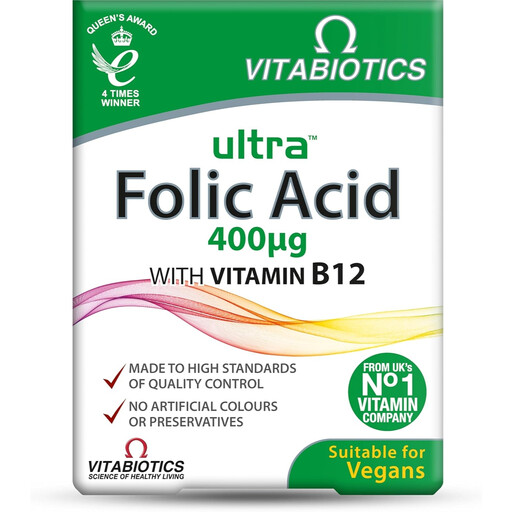
Why This Fits Their Persona: A straightforward one-tablet option for women planning pregnancy or looking for focused folate support without buying a full multivitamin.
Its label states 400µg folic acid and 5µg vitamin B12 per tablet, making the principal nutrients and daily dose easy to identify.
One tablet daily; vegan-friendly formula; 60-tablet pack.
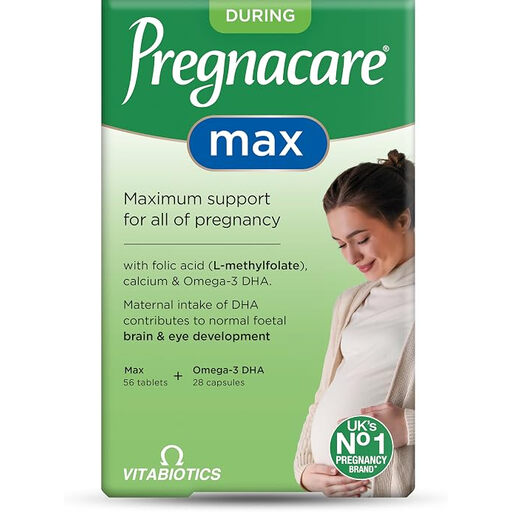
Why This Fits Their Persona: Suitable for shoppers who prefer a combined pregnancy multivitamin and DHA format throughout pregnancy.
The pack clearly separates the vitamin-mineral tablet from the omega-3 capsule and lists 400µg folic acid plus 300mg DHA per daily serving.
Dual-dose format; includes iron, iodine, calcium and DHA; 84 tablets and capsules.
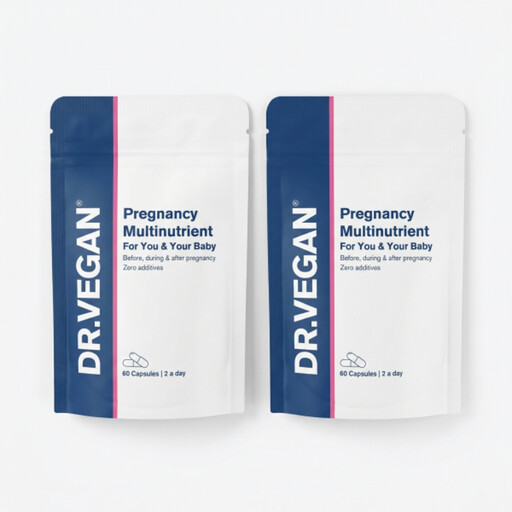
Why This Fits Their Persona: Designed for shoppers wanting a broad vegan formula that can be used during pregnancy and breastfeeding, subject to professional advice.
The ingredient panel identifies 27 nutrients and provides a stated two-capsule daily dose, reducing guesswork about what is included.
Vegan capsule shell; includes folate, iron, vitamin D3, iodine, B12 and choline; free from gluten, wheat, soya, lactose and dairy.
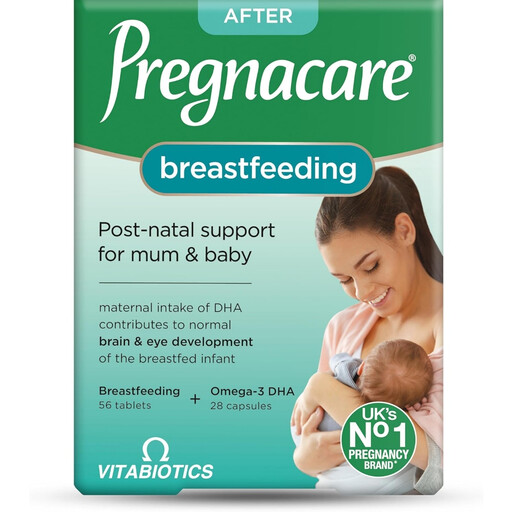
Why This Fits Their Persona: A dedicated option for breastfeeding mothers who want a postnatal formula rather than a pregnancy product.
It is labelled for breastfeeding rather than early pregnancy and states that the daily serving includes one nutrient tablet and one omega-3 capsule.
Provides 300mg DHA per capsule; includes iron, calcium, iodine and folic acid; 84-piece pack.
We have compiled a complete, real-time list of products that fully satisfy these strict selection criteria and UK safety regulations.
Many people start with 400µg folic acid when planning pregnancy and continue until the end of the first 12 weeks, following UK guidance. Ask a GP, midwife or pharmacist if you have a medical condition, take medication or may need a higher dose.
Possibly, but check both labels first. A pregnancy multivitamin may already contain folate, iron, vitamin D or iodine. Adding separate folic acid tablets or omega-3 pregnancy supplements can create unnecessary duplication. Seek professional advice before combining products.
Check the best-before date, storage instructions and packaging seal. Store supplements in a cool, dry place away from direct sunlight and keep them out of reach of children. Do not use a product if the seal is damaged or if the tablets or capsules appear changed.