
24/7 Customer Support

Free returns

Same-day & Next-day Delivery

Quality Guaranteed

Unlock Your Welcome Offers: FREE Delivery | Up to 80% OFF | Free 30-day JoyPlus trial
Download the APP
Garlic is the backbone of countless beloved dishes, but the daily ritual of peeling and chopping cloves can be a real chore, especially on a busy weeknight. This is where prepared garlic comes in, promising all the flavour with none of the fuss. However, the supermarket aisle presents a dizzying array of options and not all are created equal.
Many time-conscious home cooks in the UK have been let down by products that don't live up to their promise. Choosing the wrong type can lead to disappointing meals and wasted money. Before you add a jar to your basket, it's worth knowing about a few common pitfalls.
Understanding these issues is the first step. The next is knowing what to look for to ensure you get a product that genuinely saves you time and elevates your cooking.
To choose the right product, you need to look beyond the label and consider three core parameters: the form, the ingredients and the intended use. This will help you match the product to your cooking style.
Prepared garlic comes in several forms, each with distinct advantages and ideal uses.
Minced Garlic in a Jar: Often called lazy garlic, this is the most common format. It consists of chopped garlic, typically preserved in a liquid like white wine vinegar or oil. A garlic puree is a smoother version of this. These are excellent for building flavour in sauces, stews and marinades where the garlic is cooked down. The key is to check the preserving liquid, as this will affect the final taste.
Frozen Garlic Cubes: These are made from crushed or minced garlic that is individually quick-frozen (IQF) into small, pre-portioned blocks. This method is excellent for locking in the pungent, fresh flavour of raw garlic without additives. Frozen garlic cubes are perfect for stir-fries and curries, as they can be dropped straight into a hot pan from the freezer.
Fried Garlic Crisps: This is a condiment, not a cooking ingredient. These are crispy, golden pieces of fried garlic that add a savoury, nutty crunch and intense aroma to finished dishes. Use fried garlic crisps as a topping for noodles, soups, salads and rice bowls for an instant textural and flavour boost.
The ingredients tell you everything about the product's quality and flavour profile.
minced garlic jar, check what it's packed in. Products preserved in a light white wine vinegar are often designed so the vinegar evaporates during cooking. Those packed in oil will add richness but also fat content. Salt is another common preservative, so check the nutritional information if you are monitoring your sodium intake.garlic and ginger paste, offer even more convenience by combining two essential aromatics. These are a fantastic shortcut for many Asian and South Asian recipes.By analysing the form and ingredients, you can find the perfect ready to use garlic for all your garlic for cooking needs.
We've filtered through the options to find products that address the common pitfalls and suit different types of home cooks.

Why This Fits Their Persona: This is the ideal pantry staple for anyone needing to get a flavourful dinner on the table quickly. It's perfect for adding a reliable garlic base to pasta sauces, stir-fries or homemade garlic bread without the sticky fingers and mess.
The garlic is preserved in a white wine vinegar that is specifically formulated to evaporate completely during cooking, leaving behind a clean garlic flavour without any harsh acidic aftertaste.
Offers simple and consistent dosing, with one teaspoon providing the equivalent flavour of one fresh clove. It's a versatile and reliable shortcut for a wide range of everyday British meals.
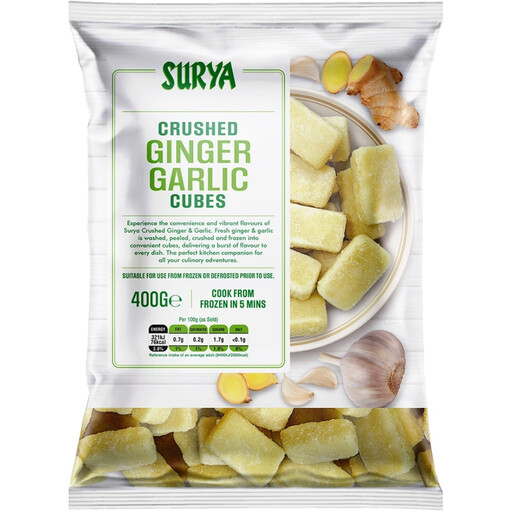
Why This Fits Their Persona: For those who batch cook curries, soups and stews, flavour consistency is key. These frozen cubes offer the fresh, pungent taste of garlic and ginger with zero prep, ensuring every batch is as good as the last.
The individual quick-freezing (IQF) process locks in the flavour and aroma immediately after crushing. This prevents both the "mushy texture" and "rapid flavour loss" issues common with ambient jarred products.
Provides a perfectly balanced 50/50 blend of two core aromatics. The pre-portioned cubes allow for excellent portion control and can be cooked directly from frozen in minutes.
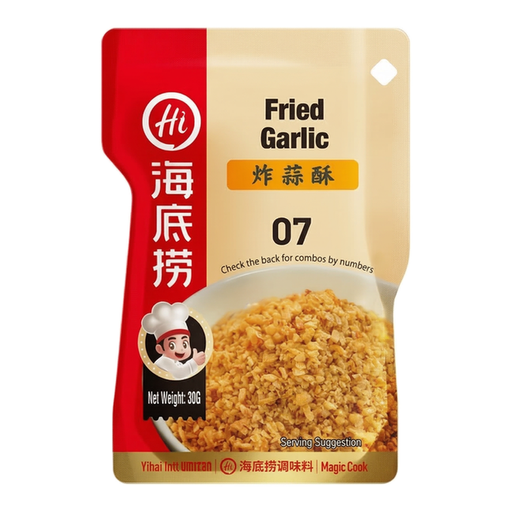
Why This Fits Their Persona: For the home cook who loves adding layers of texture and flavour, this is a game-changer. It's not for cooking into a sauce, but for sprinkling over the top of noodles, soups or even a simple salad to add a final, professional-quality crunch.
As a ready-to-eat condiment, it completely sidesteps the pitfalls of cooking bases. Its purpose is to add a toasted, crispy texture and concentrated garlic aroma, a quality that jarred or frozen garlic cannot provide.
Made with 93% real garlic, it delivers an authentic, savoury crunch. It's an incredibly versatile topping that instantly elevates the texture and aroma of a finished dish.
And for those who enjoy garlic flavour in a ready-to-eat format, from crunchy toppings to savoury snacks, there are even more options to discover.
We have compiled a complete, real-time list of products that fully satisfy these strict selection criteria and UK safety regulations.
1. How much prepared garlic is equal to one fresh clove? This varies by product, so it's always best to check the packaging. However, a common guideline for minced garlic in a jar is that one teaspoon is roughly equivalent to one medium-sized fresh garlic clove. For frozen cubes, one cube often equals one or two cloves, but the portion size will be stated on the pack.
2. Can you use prepared garlic without cooking it? It depends on the product. Jarred minced garlic preserved in vinegar or oil is generally safe to use in cold preparations like salad dressings or dips. However, some products, particularly frozen garlic cubes, may specify that they must be cooked thoroughly before consumption. Always read the safety and usage instructions on the label before using it raw.
3. How long does jarred minced garlic last after opening? Once opened, a jar of minced garlic should be stored in the refrigerator with the lid tightly sealed. Most manufacturers recommend consuming it within 4 to 6 weeks. You can tell if it has gone off by looking for signs of spoilage such as mould, a dark discolouration or an 'off' or overly sour smell. Discard the product if you notice any of these signs.