Small-kitchen bean-meal reheaters
If you usually warm one or two portions of canned butter beans, perhaps with sauce or vegetables, counter fit and a suitable non-pressure setting matter more than a large bowl.


An electric pressure cooker is worth considering for canned butter beans if you will use it for other meals too; for reheating beans alone, prioritise a suitable non-pressure setting and a safe worktop fit over pressure-cooking speed. Napolina says its canned butter beans are already fully cooked. A 3.8L-class multi-cooker may suit smaller portions, while a larger bowl makes more sense for fuller meals—provided the exact appliance fits your kitchen and electrical setup.
If you usually warm one or two portions of canned butter beans, perhaps with sauce or vegetables, counter fit and a suitable non-pressure setting matter more than a large bowl.
If beans are only one meal you have in mind, a smaller appliance with additional cooking functions may earn its worktop space. Check that you will use those functions and that the exact model fits.
If you also prepare larger one-pot dishes, extra bowl capacity may be useful. You will still need to measure the appliance rather than assume its litre rating tells you how much worktop it occupies.
For already-cooked beans, start with the heating setting and the space available; choose bowl capacity for the other meals you expect to make.
| Concern | What to check | Who this matters to |
|---|---|---|
| Worktop and storage fit | Compare the exact model’s width, depth and height with your available space, including safe steam-release clearance. | If worktop space is tight, I need somewhere safe to use and store the cooker, even if that means a smaller bowl. Around 34% of consumers put physical fit first. |
| Non-pressure heating | Look for sauté or another manufacturer-approved non-pressure setting; consult the manual before using a pressure programme. | When I am simply warming fully cooked beans, I want a setting that does not require a pressure cycle. For around 33% of consumers, straightforward reheating is the primary concern. |
| Capacity for other meals | Match the bowl capacity and listed functions to the portions and recipes you plan to make beyond beans. | If I regularly prepare fuller one-pot meals, I may accept a larger appliance for the extra bowl space. Around 13% of consumers place broader meal use first. |
| Safe setup and electrical fit | Check the model’s placement and pressure-release instructions, plus its voltage, plug and intended market. | Before using a pressure cooker in a confined kitchen, I need to know where steam can release safely and whether the supplied unit suits my socket. Safe setup comes first for around 20% of consumers. |
Napolina says its canned butter beans are already fully cooked. A pressure programme can introduce liquid, sealing and release steps when you only need to warm them.
Choose an exact model with a suitable non-pressure setting for that task. Use pressure cooking when the recipe and the model’s liquid requirements call for it.
Bowl capacity does not tell you the external footprint. Instant Pot lists its Classic Mini 3.8L at 31.8 × 35.1 × 25.6cm (depth × width × height); those measurements apply to that model, not every 3.8L cooker.
Measure your worktop and storage space, then compare them with the dimensions and clearance instructions for the exact appliance you plan to buy.
Steam release and hot cookware still need careful handling. The Instant Pot Classic Mini manual calls for a stable, non-combustible, level surface.
Follow your model’s lid and release instructions, keep vents unobstructed and allow safe space for escaping steam.
An appliance intended for another market may have different electrical requirements. Instant Pot UK says its UK models are designed for 220–240V outlets and instructs users not to use adapters or extension leads.
Check the exact unit’s intended market, plug, voltage and supplied instructions before ordering or connecting it.
These examples show how bowl size and functions vary between specific product lines; a brand name alone does not establish worktop fit.
The Classic Mini 3.8L is a smaller-format option for buyers who want pressure cooking alongside sauté and keep warm.
The Turbo Cuisine CY756140 is a 4.8L option for buyers planning more than occasional bean reheating.
The Express CSC051 is a 5.6L option for buyers whose larger one-pot meals justify more bowl capacity.
These 3.8L and 5.7L multi-cookers are choices for buyers who want a non-pressure option for canned beans as well as functions for other meals. Compare each unit’s dimensions and electrical instructions with your kitchen before buying.
 No image available
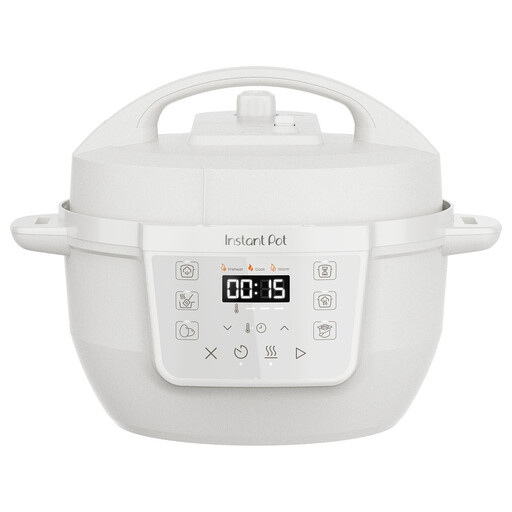
Consider this smaller-capacity option if you mainly warm a portion or two of beans and also want a multi-cooker for other dishes. Its listed sauté setting is relevant to non-pressure heating; check the manual for use instructions.
The 3.8L bowl does not establish the appliance’s footprint. Confirm the exact unit’s dimensions, clearance, plug and voltage before ordering.
 No image available
Consider the listed sauté function for warming cooked beans if you also expect to use a 5.7L multi-cooker for larger meals.
The product name specifies a ceramic non-stick coating and a recipe book. Check the exact unit’s dimensions, working clearance, plug and voltage against your kitchen.
 No image available
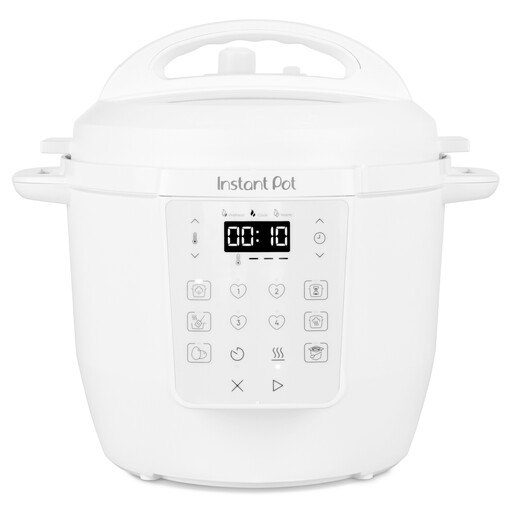
This larger-bowl Instant Pot is relevant if bean reheating is only one of several cooking jobs. Its listed sauté setting offers a non-pressure option for the beans, subject to the model instructions.
The 5.7L capacity distinguishes it from the 3.8L Sea Salt variant, but does not establish worktop fit. Confirm dimensions, clearance and the supplied unit’s electrical details.
No pressure cooking is needed simply to warm the canned butter beans described by Napolina, which says they are already soaked and fully cooked. Use a suitable non-pressure setting, such as sauté where the exact appliance provides it, and follow its instructions. Pressure cooking may still be useful for a different recipe containing uncooked ingredients.
Do not assume that drained beans alone meet a pressure cooker’s liquid requirement. Instant Pot UK specifies water-based liquid and a minimum of 375ml for the pressure programme in its Multi Pressure Cooker XL guide; check your exact model’s manual rather than applying that figure to every cooker.
Place it where you can meet the exact manual’s surface and steam-clearance instructions. The Instant Pot Classic Mini manual calls for a stable, non-combustible, level surface and unobstructed bottom vents. Allow the appliance to cool before cleaning, and follow its instructions for handling the hot inner pot.
Instant Pot UK instructs users not to use adapters or extension leads with its UK models, which it says are designed for 220–240V outlets. Follow the supplied model’s outlet instructions; do not assume another brand has identical requirements.
For Great Britain, Department for Business and Trade guidance dated 31 March 2026 says CE marking continues to be recognised alongside or instead of UKCA where the applicable product regulations permit it. Northern Ireland has separate arrangements. Check the listing and supplied documentation for the exact appliance and delivery location rather than treating a marking alone as proof that the cooker suits your electrical setup.