For a single-serving stew made mainly with canned haricot beans, an electric pressure cooker is worth considering only if you will use it for other meals too. The beans are already cooked, so sautéing and simmering are the more direct ways to heat and reduce the stew; if you also want pressure cooking, look for a size and functions that suit those wider plans, and check the exact model’s liquid rules before making a small pressure-cooked portion.
Who is this choice for?
Single-portion canned-bean cooks
If you usually turn one can of haricot beans into a quick stew, controllable heating and reducing matter more than pressure mode. Waitrose & Partners describes its canned haricot beans as pre-cooked and ready to enjoy; check the instructions on the can you buy.
Solo cooks making several kinds of meal
If bean stew is only one of the meals you want to make, a multicooker with sauté and pressure functions may serve a broader purpose. Decide which functions you will use regularly before choosing a larger vessel for occasional batch cooking.
Cooks learning to use pressure mode
If you also plan to pressure-cook dried pulses or other stew ingredients, allow for the steps that come with a sealed cooker. Read the exact model’s instructions for its lid, liquid level, fill limits and pressure release rather than applying guidance from another cooker.
What matters when choosing?
Start with the meal you make most often: for a one-can stew, check how you can heat and reduce it without pressure. Then choose capacity and pressure functions for the other meals you genuinely expect to cook.
| Concern |
What to check |
Who this matters to |
| Heating a small stew |
Look for sauté or another suitable non-pressure mode, and check whether you can control the reduction. |
If I am heating one can with sauce and aromatics, I want to bring it together without a pressure cycle. Around 46% of consumers put that direct, small-portion cooking need first. |
| Capacity for other meals |
Compare vessel capacity and countertop space with the portions you intend to make; capacity alone does not establish a workable minimum serving. |
When I cook for myself but also make rice, soup or occasional batches, I need a size that accommodates more than tonight’s beans. For around 36% of consumers, that wider solo-cooking need comes first. |
| Pressure use beyond canned beans |
Check the modes you will use and read the exact model’s liquid, lid, fill and release instructions. |
If I also want to pressure-cook other ingredients, I need controls and instructions I can follow for those meals. That is the primary concern for around 18% of consumers. |
Buying pitfalls
-
Assuming every stew needs pressure cooking
Canned haricot beans are already cooked, so a pressure cycle is not necessary just to prepare the beans. It also brings liquid and pressure-release instructions into a meal that could be heated and reduced without sealing the pot.
If a one-can stew is your main use, prioritise controllable non-pressure cooking. Choose a pressure multicooker if you will use its other functions or pressure mode for other ingredients.
-
Reading capacity as a minimum serving size
Instant Pot describes its 3.8L Classic Mini as making up to four portions, while Crock-Pot positions its 5.6L Turbo Express for six or more. Neither serving description establishes that pressure mode suits one can of beans.
Choose capacity around your usual meals, then consult the exact cooker’s manual for minimum liquid and maximum fill before planning a small pressure-cooked recipe.
-
Following instructions for a different model
Liquid requirements and pressure-handling procedures need to be checked for the cooker you own; a figure given for one model should not be carried over to another.
Before first use, read the supplied manual for the approved lid, placement, liquid and fill rules, and pressure-release method.
Brands to consider for this use
These product lines illustrate different capacities and functions. A brand’s presence here does not mean every model it makes suits a one-can stew.
Instant Pot
Its Classic Mini offers a compact multicooker route for someone who also wants to cook meals beyond canned-bean stew.
- Instant Pot lists the 3.8L Classic Mini with pressure-cook and sauté functions and describes it as making up to four portions.
- That portion description does not establish whether one can of beans meets the model’s pressure-cooking liquid requirements. Check its exact manual.
Crock-Pot
Its Express pressure multicookers are more relevant when several portions or wider household cooking are part of the plan.
- Crock-Pot lists pressure cooking and browning or sautéing on its 5.6L Express model; its 5.6L Turbo Express also lists a simmer function.
- Crock-Pot positions the 5.6L Turbo Express for six or more servings, so consider the space it takes and how often you will make larger meals.
COSORI
Its listed 5.7L pressure multicooker is a larger-capacity option for cooking beyond a single portion.
- The Joybuy listing describes nine functions and a ceramic non-stick inner pot.
- The same listing presents the 5.7L capacity for families and meal preparation, rather than specifically for a one-can stew.
Pressure cookers on Joybuy
These choices range from compact cookers for solo meals to larger multicookers for batches. For canned beans, consider how you would heat and reduce the stew without pressure; before pressure-cooking a small portion in any model, check its own liquid and fill instructions.
 No image available
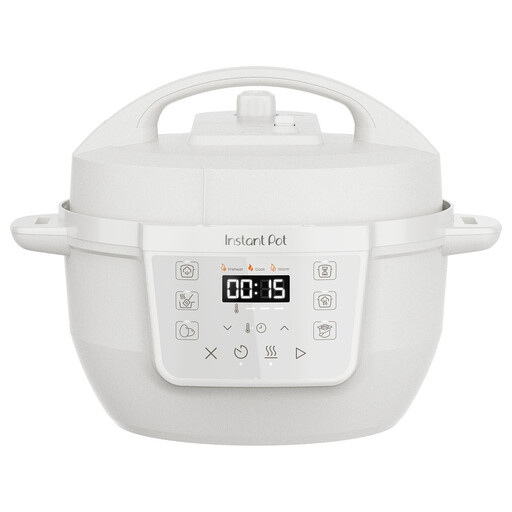
Instant Pot 3.8L 7-in-1 Multi Cooker, Sea Salt
The 3.8L size suits a solo cook considering a multicooker for more than bean stew; its listed sauté function offers a way to heat the stew without pressure. Check this model’s manual before attempting a small pressure-cooked portion.
View on Joybuy
 No image available
COSORI 5.7L 9-in-1 Electric Pressure Multi-Cooker
Consider this 5.7L model if larger meals or batch cooking are part of your plans, rather than buying it solely for one can of beans. The Joybuy listing describes a ceramic non-stick inner pot; check the model’s instructions before pressure-cooking a small serving.
View on Joybuy
 No image available
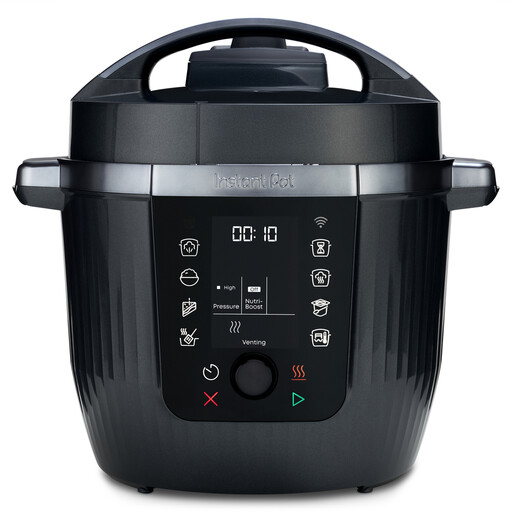
Instant Pot Pro 5.7L 10-in-1 Multicooker, Black
The 5.7L capacity makes more sense if you also intend to prepare larger meals or batches. For a one-can stew, assess how you would use its non-pressure cooking controls, and check the exact manual’s liquid rules before using pressure mode.
View on Joybuy
 No image available
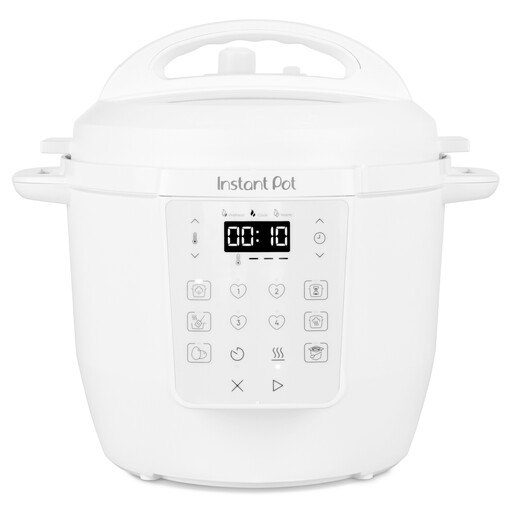
Instant Pot 5.7L 7-in-1 Multi Cooker, Sea Salt
Consider the 5.7L size for meals beyond a single serving or for batch cooking. If canned-bean stew is your routine meal, check how you would heat and reduce it without pressure; follow this model’s manual for any small pressure-cooked recipe.
View on Joybuy
 No image available
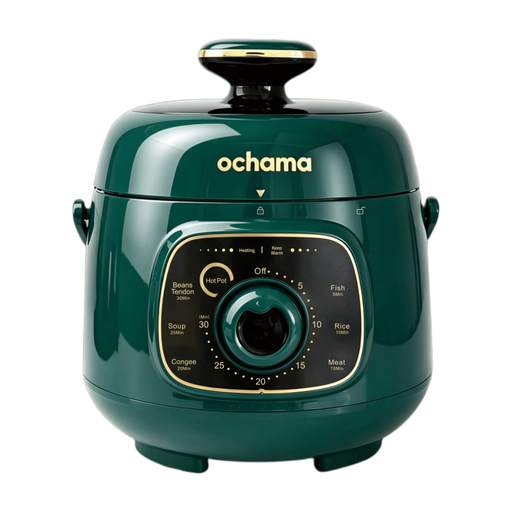
ochama Mini Green Pot 1.8L Electric Pressure Cooker
The 1.8L size is relevant if a compact cooker is your priority. If you want to heat and reduce canned-bean stew without pressure, confirm how this model’s stew programme works; consult its manual for the liquid and release rules when using pressure mode.
View on Joybuy
Frequently asked questions
Do canned haricot beans need pressure cooking for a stew?
No, not simply because they are haricot beans: Waitrose & Partners describes its canned product as pre-cooked and ready to enjoy. You can heat and simmer a one-can stew without pressure; choose the cooking method for any other ingredients according to the recipe and appliance instructions.
How much liquid does pressure mode need?
Use the minimum stated in your exact cooker’s manual. Instant Pot’s Duo guidance specifies at least 350ml of water-based liquid for its 3L version, but that figure must not be assumed to apply to another model or brand.
How should I keep unused beans from an opened can?
Follow the storage instructions on your can. For its canned haricot beans, Waitrose & Partners instructs customers to transfer leftovers to a non-metallic container, refrigerate them and consume them within three days.
What should I check before using pressure mode for the first time?
Read the exact model’s manual for placement, its approved lid, liquid and fill rules, and pressure release before starting. Instant Pot’s Duo manual also instructs users to place that appliance on a stable, non-combustible, level surface.


