Solo curry cook short on worktop space
You mainly want a small meal and would rather not store a family-sized appliance. If you brown ingredients before pressure cooking, check that the cooker offers sauté as well as pressure cooking.


For lamb curry cooked mainly for one, start with a compact electric pressure cooker that lets you sauté and pressure cook in the same pot. A 3.8L model is worth considering when storage and small meals matter; choose a larger cooker if you deliberately make leftovers, and check the exact model’s liquid and fill instructions before adapting a curry recipe.
You mainly want a small meal and would rather not store a family-sized appliance. If you brown ingredients before pressure cooking, check that the cooker offers sauté as well as pressure cooking.
You serve one portion now but make extra curry for later meals. A larger cooker may suit that routine, provided you have room to store it and follow its rules for smaller batches.
You want clear instructions for adding liquid, closing the lid, releasing pressure and cleaning the cooker. Read the manual for the exact model rather than relying on timings or procedures from another appliance.
Decide whether a fresh serving or planned leftovers set the capacity you need. Then check the cooking functions and the exact model’s pressure-cooking instructions.
| Concern | What to check | Who this matters to |
|---|---|---|
| Capacity and storage | Compare the stated capacity, external dimensions, maximum-fill line and minimum-liquid rule. | If I usually make one fresh serving, I want a cooker that fits my kitchen without choosing capacity I rarely use. Roughly 46% of consumers put compact fit first. |
| One-pot curry workflow | Look for both sauté and pressure-cook functions, then read the model’s lid and pressure-release instructions. | If I brown lamb or cook onions and spices before pressure cooking, I want to do both steps in one pot and understand how to use it safely. Around 36% of consumers prioritise that workflow and clear instructions. |
| Leftovers and other uses | Decide whether you will make larger batches or regularly use programmes beyond curry. | If I plan several portions for later, extra capacity matters more to me than keeping the appliance small. Approximately 18% of consumers make planned batches or broader use their main priority. |
Nominal capacity is not the amount you can fill for pressure cooking. The Instant Pot Classic Mini manual, for example, requires contents to remain below its PC Max – 2/3 line; the portions a recipe yields also depend on its ingredients.
Compare the cooker’s dimensions and fill marking with the quantity you intend to make, rather than treating its litre rating as usable curry volume.
Pressure-cooking liquid requirements differ by model. A recipe written for another cooker may not meet the instructions for yours.
Read the exact manual for water-based liquid, deglazing and fill requirements before adapting the recipe. Follow its lid and release procedure too.
Specialist modes do not replace the sauté and pressure-cook functions needed for the proposed one-pot method. Crock-Pot’s Turbo Express, for instance, offers additional modes in a 5.6L format that may be more appliance than a fresh single serving calls for.
Choose additional programmes for cooking methods you expect to use; otherwise focus on practical capacity, the two core functions and manageable cleaning.
A shared brand or capacity does not establish that two listings describe the same cooker. Variant differences can affect the instructions and accessories relevant to your choice.
Check the complete model name, capacity, supplied accessories, plug version and warranty details on the listing you intend to buy.
Instant Pot UK lists a 3.8L Classic Mini with pressure-cook and sauté functions, making that product line relevant to smaller meals.
Crock-Pot UK lists 5.6L pressure multi-cookers that are more relevant when a solo cook intends to make batches.
A COSORI 5.7L electric pressure multi-cooker listed by Joybuy is a larger option for planned batches and other cooking methods.
These cookers include compact options to consider for a fresh meal and larger options to consider when you make curry for later. Check each model’s functions and instructions against the way you intend to cook.
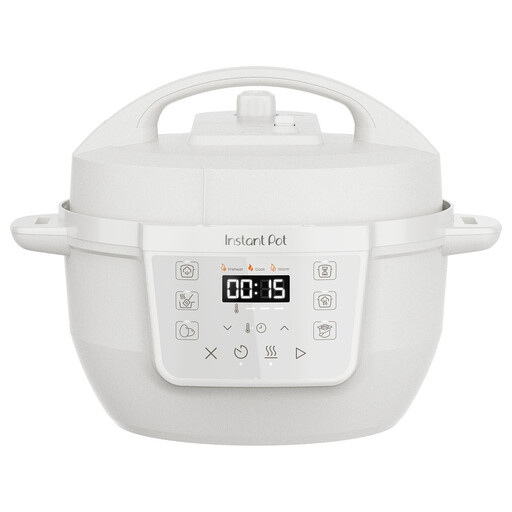 No image available
Consider the 3.8L size if you usually cook a small meal and want to avoid a larger batch-oriented cooker.
Check the exact model’s sauté function, minimum-liquid instruction and external dimensions before planning a one-pot curry or choosing its storage space.
 No image available
Consider this 5.7L cooker if one serving is part of a planned batch rather than the whole meal you intend to make.
Its listed functions include sauté, pressure cooking and slow cooking, and its title specifies a ceramic non-stick coating. Check the exact minimum-liquid rule and dimensions before buying it for small curries.
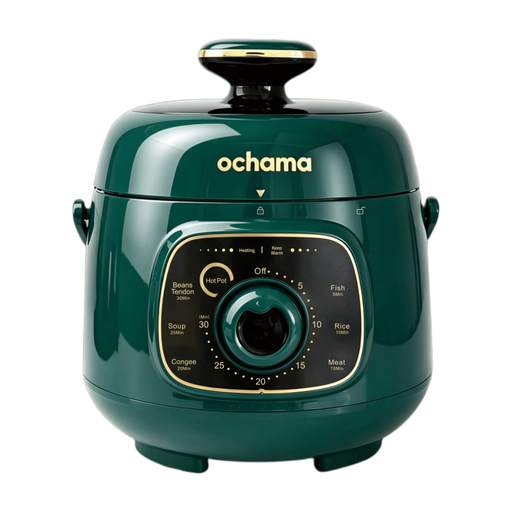 No image available
The 1.8L capacity is worth considering if a small vessel matters more to you than making several portions at once.
If you want to brown ingredients in the cooker, confirm whether this model has a sauté function. Check its manual for liquid and fill requirements, as well as its dimensions for storage.
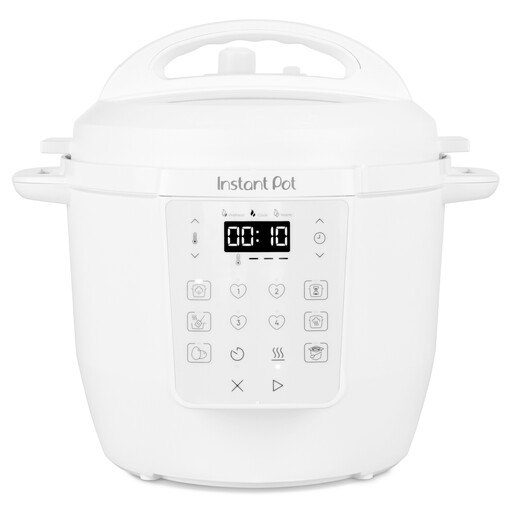 No image available
Consider this 5.7L version if planned leftovers justify a larger cooker than you need for one fresh serving.
Confirm the exact model’s sauté function and minimum-liquid rule for your curry method, and measure the space available to store it.
Start with a compact cooker if you mainly make a fresh serving; consider more capacity if you intentionally make leftovers. Instant Pot UK describes its Mini size as suitable for one or two people and lists its Classic Mini at 3.8L, but portion yield depends on the recipe and the pressure-cook fill limit.
A sauté function is useful if you want to brown lamb or cook onions and spices in the same pot before pressure cooking. It is not required if you are happy to use a separate pan; check that the particular cooker you choose offers both functions.
Follow the chosen cooker’s instructions for liquid and filling rather than assuming a thick sauce will meet its pressure-cooking requirements. Instant Pot’s Classic Mini guidance calls for deglazing and water-based liquid, with a 375ml minimum in the situation it describes; do not transfer that figure to another model.
Read the exact model’s first-use, cleaning, lid and pressure-release instructions before cooking. For the Instant Pot Classic Mini, the manufacturer also instructs users to clean and dry specified parts and perform a test run; follow the corresponding procedure for whichever model you buy.