
24/7 Customer Support

Free returns

Same-day & Next-day Delivery

Quality Guaranteed

Unlock Your Welcome Offers: FREE Delivery | Up to 80% OFF | Free 30-day JoyPlus trial
Download the APP
Buying the right primer can make painting or applying make-up easier, but choosing by colour, price or a bold product claim alone can lead to wasted money. A decorating primer for plaster is not suitable for glossy plastic, while a face primer designed to blur pores may not suit dry skin. The key is to match the formula to the surface or beauty concern.
A standard white primer may prepare a clean wall, but it may not control nicotine, water marks, wood tannins or persistent odours. Similarly, a multi-surface primer may not be the right choice for heavily resinous wood or corroded metal.
For beauty shoppers, a hydrating primer, pore-minimising primer and colour-correcting primer serve different purposes. Applying a mattifying formula to dry skin can feel uncomfortable, while an oil-free or silicone-based product may be more suitable for an oily T-zone.
“Quick-drying” does not always mean that a topcoat can be applied immediately. Check the touch-dry, recoat and fully cured times on the packaging. Low temperatures, poor ventilation and high humidity in a UK home can extend drying times.
Primer will not compensate for damp, dust, grease, loose paint or unstable surfaces. Clean, dry and sound substrates are essential. Solvent-based, shellac-based and spray products also require careful ventilation and suitable protective equipment. Always follow the container label and safety data sheet.
First identify the material: plaster, plasterboard, wood, metal, masonry, PVC, ceramic or previously painted surfaces. A wood primer can help seal timber and reduce tannin bleed, while a multi-surface primer may cover wood, metal and masonry.
For difficult glossy surfaces, look for adhesion information rather than relying on the word “universal”. For example, a shellac-based formula may be intended for glossy surfaces, knots, smoke marks and severe staining. On exterior projects, confirm that the product is rated for outdoor use.
If you are covering nicotine, grease, ink, crayon, water marks or tannin, select a stain-blocking primer. Water-based stain blockers are often convenient for interior walls and ceilings, with water clean-up. Solvent-based or shellac-based options may be selected for more difficult stains, but they can have stronger odours and stricter ventilation requirements.
Do not paint over an active damp problem. Repair the source of moisture first and allow the substrate to dry.
Compare the stated coverage in square metres per litre with the area you need to prime. Porous plaster, bare wood and textured masonry generally use more product than smooth painted surfaces. A 750ml tin may suit small repairs or furniture, while a 2.5-litre tin is more practical for several doors, skirting boards or larger areas.
A spray primer can provide an even finish on smaller items and detailed shapes, but aerosol overspray requires an appropriate location, ventilation and respiratory protection. For broad walls, a roller is usually more practical; brushes are useful for edges and detailed woodwork.
For make-up, consider texture, finish and ingredient compatibility. A face primer should be applied in a thin layer after skincare has absorbed. Leave the recommended setting time before foundation to reduce pilling. An SPF primer can support a morning routine, but follow the label’s application quantity and reapplication guidance rather than treating it as a decorative product alone.
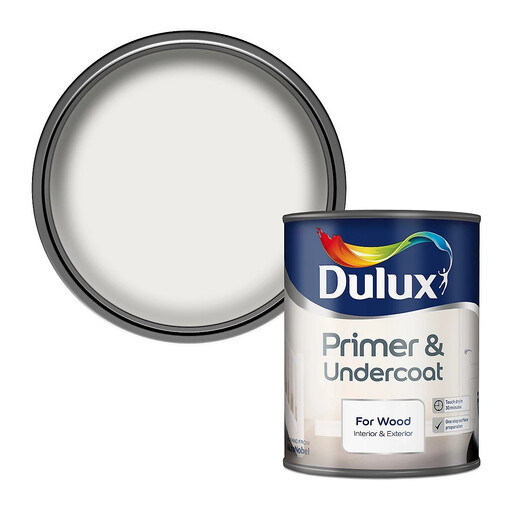
Why This Fits Their Persona: A practical 750ml option for doors, skirting boards, window frames and furniture in a typical home decorating project.
It is formulated specifically for bare and previously painted interior wood rather than being used as an unsuitable all-purpose wall primer.
Water-based formula, low odour, water clean-up and a stated 2–4 hour recoat or topcoat window.
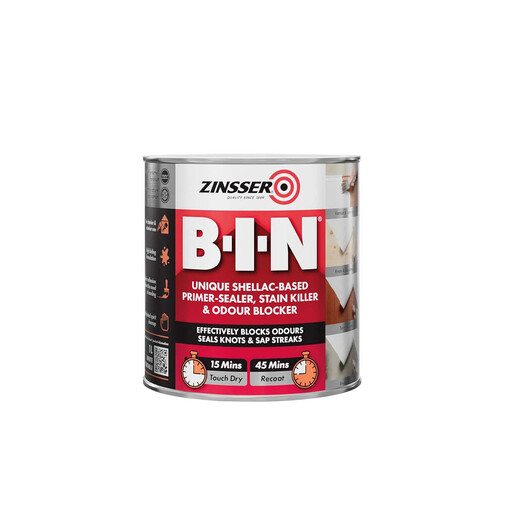
Why This Fits Their Persona: Suits decorators dealing with glossy, stained or odorous surfaces where surface preparation is particularly demanding.
Its stated uses include severe water stains, smoke damage, knots, sap streaks and odour sealing, rather than only basic colour coverage.
Shellac-based adhesion, white coverage, brush, roller or spray application, and a stated 15–20 minute touch-dry time at 20°C.
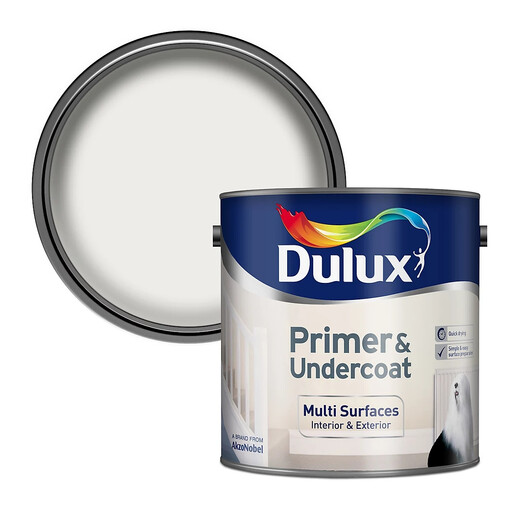
Why This Fits Their Persona: Designed for larger UK decorating jobs involving several substrates, such as doors, masonry, metalwork and wood.
The listed compatibility covers wood, metal, plaster, concrete, brick, block and masonry, while specialist substrates still require separate checking.
Primer and undercoat in one, water-based formulation, up to 16m² per litre stated coverage and a 2-hour recoat interval.
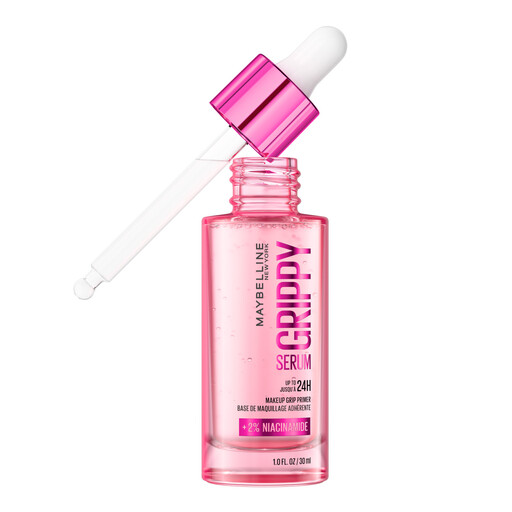
Why This Fits Their Persona: A water-based make-up primer for shoppers who want a lightweight serum texture before foundation.
The instructions specify applying a thin layer and waiting 20 seconds, helping avoid the common mistake of layering foundation immediately.
Contains 2% niacinamide, is water-based and non-comedogenic according to the product information, with no white cast listed.
We have compiled a complete, real-time list of products that fully satisfy these strict selection criteria and UK safety regulations.
Shelf life depends on the formulation, storage and whether the container has been opened. Keep the lid sealed and follow the packaging guidance. During a project, use the manufacturer’s stated recoat time, but allow longer in cold or damp conditions.
Not always. Clean, sound and previously painted surfaces may need only preparation and a compatible topcoat. Primer is particularly useful on bare plaster, porous wood, glossy surfaces, contrasting colours, metal, masonry or stained areas. Check the topcoat instructions before deciding.
It is optional, but can help address a specific concern such as visible pores, excess shine, redness, dryness or make-up wear. Choose one that matches your skin feel and foundation, apply sparingly and stop using it if irritation occurs.