
24/7 Customer Support

Free returns

Same-day & Next-day Delivery

Quality Guaranteed

Unlock Your Welcome Offers: FREE Delivery | Up to 80% OFF | Free 30-day JoyPlus trial
Download the APP
Princes tinned food can make a useful addition to a UK cupboard, whether you need a quick lunch, a filling family meal or fruit for baking. However, attractive pack claims do not always tell you whether a product suits your household. Comparing the ingredient list, drained weight, allergens, salt content and storage instructions helps prevent waste and disappointing purchases.
A larger-looking tin or multipack may include liquid such as brine, oil, syrup or juice. For tuna, the drained weight is more useful than the total tin weight. A 145g tin of tuna may contain considerably less fish after draining, so compare like-for-like pack formats before judging value.
The packing liquid changes how the food tastes and how it works in recipes:
Tinned food is long-life before opening, but it is not always suitable for prolonged storage after opening. Fish, crustaceans, soya, wheat and barley appear across different products in this range. Always check the current packaging, particularly when buying for children, guests or anyone with an allergy or coeliac disease.
Once opened, transfer leftovers to a clean, sealed container and refrigerate. Follow the product label’s stated use-by guidance; several products listed here advise consuming within two or three days.
Read beyond the front label. Princes Tuna Chunks in Brine lists skipjack tuna, water and salt, while Princes Minced Beef & Onion includes wheat and barley. Princes Beef Paste contains beef, chicken, soya and barley, and Princes Crab Paste contains fish, crustaceans and soya.
For spicy strips, the ingredient list includes wheat and soya, as well as chilli, Sichuan pepper, flavour enhancers and sweeteners. These products are ready to eat, but their salt content is notably high at around 6.07g per 100g, so portion size is an important consideration.
Use the nutrition table to compare similar products. For example, the supplied details show:
These figures are not a recommendation to use any food for a medical purpose. They simply make it easier to choose according to taste, recipe and household preferences.
Choose single jars or cans when testing a flavour, and multipacks when the product is already part of your regular routine. A 75g paste jar may suit sandwiches, packed lunches and office meals, while a 340g corned beef tin or 392g minced beef and onion tin is more practical for a shared meal.
For desserts, pre-prepared apple fruit filling, prunes with juice, pear halves and pineapple chunks can reduce preparation time. Check whether the recipe needs fruit pieces, purée or additional sweetness before ordering.

Why This Fits Their Persona: A four-can format gives students, flat-sharers and small households a practical starting point for sandwiches, salads, pasta and jacket potatoes.
The product information clearly identifies the drained nutrition values and a short ingredient list of tuna, water and salt.
Four 145g cans; ready to eat; 24g protein per 100g drained; suitable for several everyday recipes.

Why This Fits Their Persona: Suitable for shoppers who prefer a fuller texture and oil-packed tuna for composed salads, pasta dishes and sandwiches.
The packing liquid is stated clearly, allowing buyers to distinguish it from tuna in brine before purchasing.
Four 145g cans; sunflower oil included; 23.5g protein per 100g; ingredient list contains tuna, sunflower oil and salt.
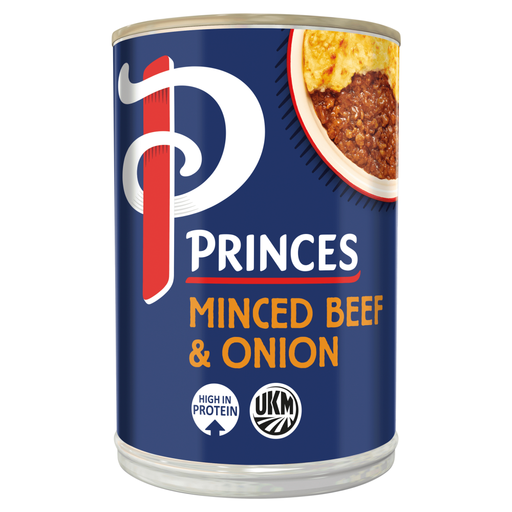
Why This Fits Their Persona: A convenient option for busy families and office workers who need a quick meal base to serve with potatoes, vegetables or bread.
The pack lists beef and onion quantities, serving nutrition and allergen information rather than relying only on front-of-pack descriptions.
392g can; ready meal format; 15.5g protein per half can; no artificial colours or flavours listed.
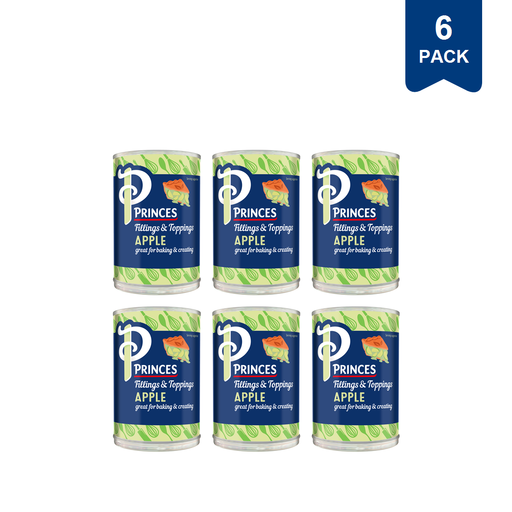
Why This Fits Their Persona: Useful for home bakers who want prepared apple pieces for crumbles, pies, cakes, yoghurt or quick toppings.
The product specifies 45% apple pieces and identifies sugar and modified maize starch, making recipe planning more predictable.
395g jars; six-pack format; ready to use; 77kcal per 100g; no declarable allergens listed in the recipe.
We have compiled a complete, real-time list of products that fully satisfy these strict selection criteria and UK safety regulations.
Different occasions call for different formats:
Unopened cans and jars can be stored in a cool, dry place away from direct sunlight, provided the packaging remains intact and the best-before information is followed. Rotate older items forwards and avoid using cans that are swollen, leaking or badly damaged.
Choose brine when you prefer a lighter texture and lower listed fat content. Sunflower oil gives tuna a richer mouthfeel and may work well in salads and pasta. Compare the nutrition per 100g and consider whether you will drain the liquid fully.
Storage varies by product, but the supplied Princes listings commonly advise transferring leftovers to a sealed container, refrigerating them and eating them within two or three days. Always follow the instructions on the packaging, as recipes and guidance may change.