Teams printing frequent feedback sheets
When several people share a printer for text-heavy handouts, automatic duplex printing, network access and a tray suited to the batch size help keep sessions moving.


Choose a connected mono laser printer if most lesson feedback is black text and several people need to print handouts promptly. If colour annotations or scanning and copying are routine, look instead at a colour multifunction printer; for recurring text-heavy batches, check the supplied paper capacity as well as duplex printing and network access.
When several people share a printer for text-heavy handouts, automatic duplex printing, network access and a tray suited to the batch size help keep sessions moving.
Tutors who regularly print coloured comments or visual examples may also need to scan marked work or copy handouts. Colour output and document-handling functions should be checked together.
For a shared device, consumable changes, cartridge restrictions and the connected model’s stated security-update period can matter alongside its printing functions.
Start with the feedback sheets the studio produces regularly: decide whether colour and scanning are essential, then check how the printer will handle shared access, paper refills and supplies.
| Concern | What to check | Who this matters to |
|---|---|---|
| Queues and shared access | Check automatic duplexing, the supplied tray capacity and whether Ethernet or Wi-Fi suits the studio network. | If several tutors print text feedback before a session, I need the shared printer to keep up without repeated paper refills. Around 40% of consumers put this need first. |
| Colour and document handling | Confirm colour printing, scan and copy functions, and a document feeder if multi-page marked work must be scanned. | When my comments use colour or I need copies of marked work, a text-only printer will not cover the whole task. For around 30% of consumers, colour or document handling is the primary need. |
| Supplies and connected-device upkeep | Review replacement supplies, any cartridge restrictions and the exact connected model’s published security-update period. | I want to avoid interrupting lessons to replace supplies and need to know how the shared device will be maintained. That is the leading concern for around 30% of consumers. |
The Brother HL-L2445DW and Canon i-SENSYS LBP243dw II are mono, print-only models. Their duplex printing and paper handling do not provide colour output or digitise marked work.
Look through a representative month of feedback sheets and note how often colour pages, scans and copies are actually needed.
If those tasks remain necessary, the studio will need another way to handle colour printing or scanning.
Consumables differ between models. HP states that dynamic security on the LaserJet Pro 4002dn can block cartridges using a non-HP chip, including after firmware updates.
Check the replacement supplies for the exact printer and whether its cartridge policy works for the studio before choosing it.
Canon UK lists up to 900 sheets as the maximum capacity for the i-SENSYS LBP243dw II; that figure should not be treated as a description of every supplied configuration.
Confirm the tray capacity of the exact configuration and whether reaching the stated maximum requires additional hardware.
A smaller supplied tray can mean more refills during recurring feedback batches.
GOV.UK describes the UK waste electrical and electronic equipment rules as supporting recovery, reuse and recycling rather than disposal to landfill.
Plan an appropriate electrical-recycling or applicable retailer take-back route for the old printer, and follow its instructions for removing stored settings before handing it over.
The HL-L2445DW is a reference point for shared, predominantly black-text feedback.
The EcoTank ET-4950 illustrates the colour multifunction route for feedback and marked-work handling.
The i-SENSYS LBP243dw II is a mono laser option to examine for recurring text-feedback batches.
The LaserJet Pro 4002dn is a workgroup-oriented mono model for studios assessing a documented monthly workload.
These models cover colour multifunction printing and mono feedback printing. Compare each one with the studio’s actual need for scanning, shared connectivity and uninterrupted batches rather than treating them as interchangeable.
 No image available
Consider this model if colour-coded feedback and document handling are regular tasks. Check the exact configuration’s scanning functions, document feeder and supplied paper capacity against the studio’s batch size.
 No image available
An all-in-one inkjet option to examine when feedback printing is paired with document handling. If several people will use it, confirm the connection method and that its paper and document-feeder arrangements suit their workflow.
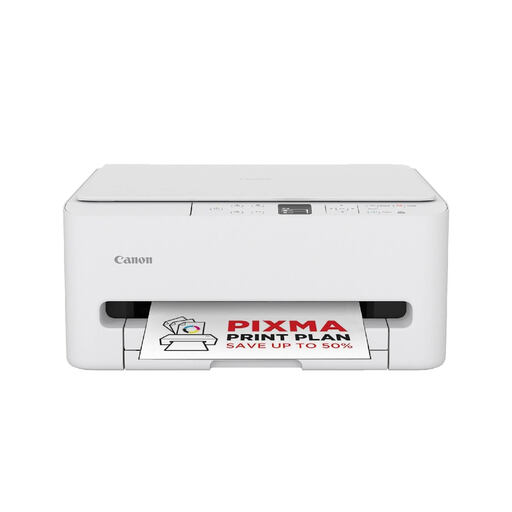 No image available
Consider it for a studio where colour feedback and occasional document handling matter. Before relying on it for repeated sessions or multi-page scans, check the supplied paper capacity and how documents are fed into the scanner.
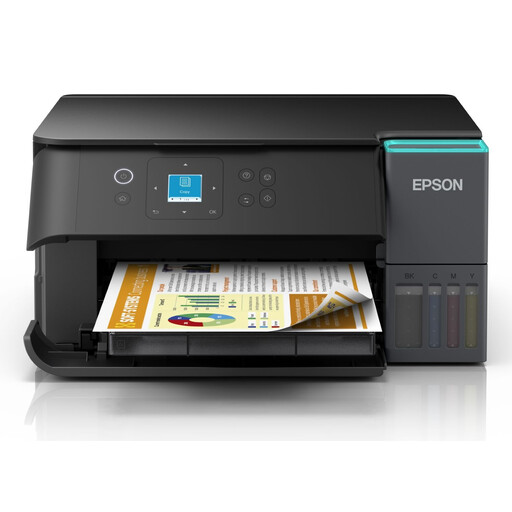 No image available
For colour feedback with routine copying or scanning, this title identifies a wireless ink-tank model with print, scan, copy and automatic duplex functions. Check how multi-page documents are scanned and whether its paper handling suits recurring batches.
 No image available
Consider this for predominantly black-text feedback where wireless printing is suitable. The product title specifies two-sided printing and a 150-sheet input tray; if scanning or copying is essential, confirm those functions for this exact model before choosing it.
Choose a mono laser if lesson feedback is predominantly black text and the studio primarily needs repeated shared printing. Choose a colour multifunction model if coloured annotations, scanning or copying are regular parts of the work; check its document feeder if marked work often runs to several pages.
Prioritise Ethernet if the printer has a fixed location and the studio can connect it to a suitable wired network. Wi-Fi may suit a different placement, but confirm network permissions, coverage and device setup before depending on wireless access for everyone.
Yes, when feedback commonly runs to multiple pages: automatic duplexing avoids turning sheets by hand. Brother UK, Epson United Kingdom and Canon UK list it for the HL-L2445DW, EcoTank ET-4950 and i-SENSYS LBP243dw II respectively; check the exact model you intend to order.
Check the exact model’s published security-update period and follow its setup guidance for credentials and network access. GOV.UK states that the UK consumer connectable product security regime took effect on 29 April 2024 and places obligations on businesses in the supply chain; that does not establish the compliance status or support period of any particular printer.
Arrange an appropriate electrical-recycling or applicable retailer take-back route rather than putting the printer in general waste. GOV.UK describes UK WEEE rules as intended to increase recovery, reuse and recycling; before handing over the device, follow its instructions for clearing stored settings.