
24/7 Customer Support

Free returns

Same-day & Next-day Delivery

Quality Guaranteed

Unlock Your Welcome Offers: FREE Delivery | Up to 80% OFF | Free 30-day JoyPlus trial
Download the APP
Probiotic gummies offer a convenient alternative to capsules, powders and refrigerated products. They are easy to chew, simple to add to a daily routine and available for adults, teenagers and children. However, attractive packaging and broad wellness language can make comparison difficult.
Before buying probiotic gummies, watch for three common pitfalls:
Food supplements are not medicines and should not replace a varied, balanced diet. If you are pregnant, breastfeeding, taking medication, managing a medical condition or choosing a product for a child, ask a healthcare professional for advice.
Look for the full names of the bacterial strains, not only phrases such as “friendly bacteria” or “gut microbiome support”. Common examples include Lactobacillus rhamnosus, Bifidobacterium lactis and Lactobacillus acidophilus.
CFU, or colony-forming units, indicates the number of viable microorganisms stated per serving. Compare like with like: one product may list CFU per gummy, while another lists it per two-gummy serving. A clearly stated daily serving makes value and strength easier to assess.
Also check whether the label explains storage requirements and whether the stated amount applies until the end of shelf life. Live cultures can be affected by heat, moisture and poor container sealing.
A general digestive support gummy may contain one or two strains, while a multi-strain product may be aimed at broader daily use. Other formulations include:
Do not assume that a product marketed for immune support is interchangeable with one designed for digestive support. Read the active ingredients and recommended use carefully.
For vegan or vegetarian shoppers, look for pectin rather than gelatine and confirm the manufacturer’s suitability statement. People avoiding gluten, dairy, soya or nuts should review the allergen declaration, including “may contain” warnings.
Compare the number of gummies with the daily dose. A 60-gummy bottle may provide 60 days at one gummy daily, but only 30 days at two gummies daily. Flavour, chewability and whether refrigeration is required can also affect how consistently the supplement fits your routine.
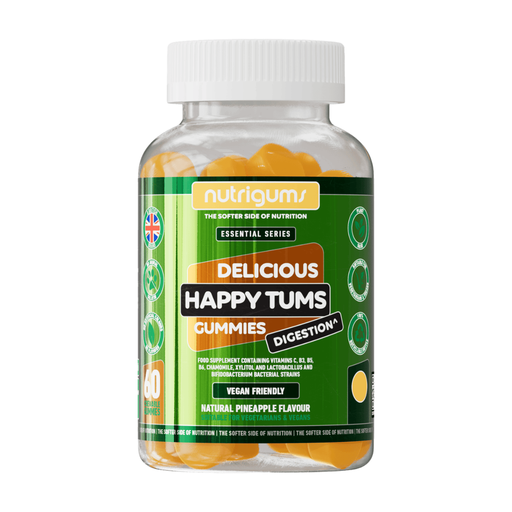
Why This Fits Their Persona: A straightforward option for adults and those aged 12 and over who want a simple daily chewable supplement without capsules.
The label states the daily serving as two gummies and identifies Lactobacillus rhamnosus and Bifidobacterium lactis, making comparison clearer.
Provides 2 billion CFU per serving, includes vitamin B6 and uses pectin. The product is listed as vegan and free from gluten, dairy, soya and nuts.
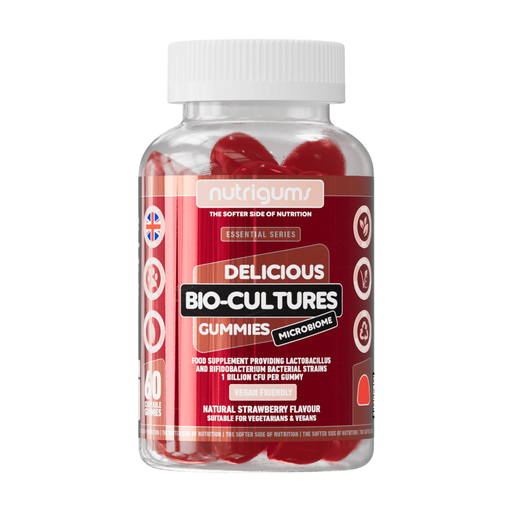
Why This Fits Their Persona: Suits shoppers who want a clearly quantified multi-strain formula with added nutrients for a structured daily routine.
It specifies 5 billion CFU per two-gummy serving rather than relying only on vague gut health language.
Contains Lactobacillus rhamnosus and Bifidobacterium lactis, plus vitamins B5, B6 and B12. It is pectin-based and listed as vegan.
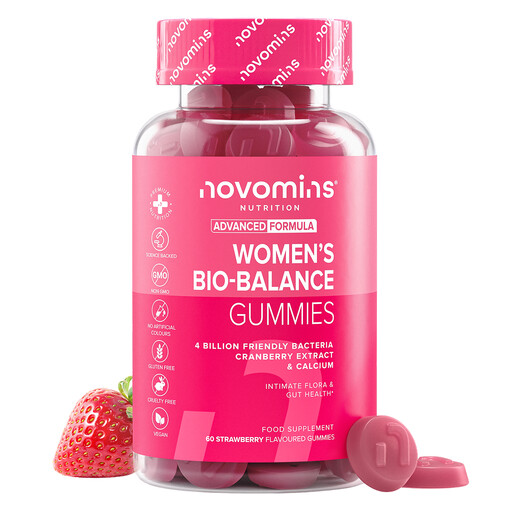
Why This Fits Their Persona: Designed for adult women seeking a women-focused intimate wellness formulation that fits a vegan daily routine.
The serving, named strains and added ingredients are itemised, so the product is not dependent on an unspecified “women’s blend”.
Provides 4 billion bacteria per two-gummy serving, with three Lactobacillus strains, cranberry extract and calcium. It is listed as vegan, Halal, dairy-free, gluten-free and gelatine-free.
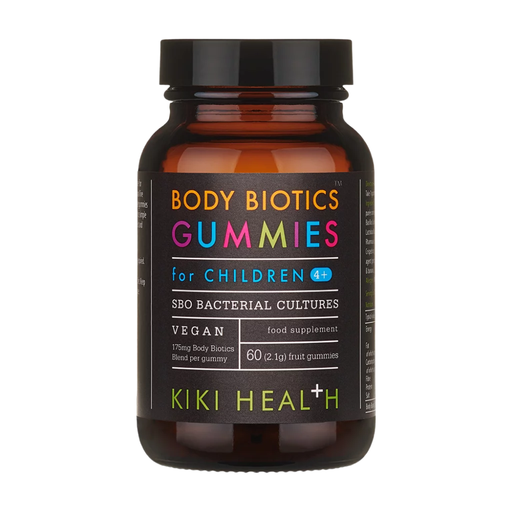
Why This Fits Their Persona: A child-specific option for families looking for a once-daily gummy for children aged 4 and over.
The packaging gives a specific minimum age and one-gummy daily dose, helping parents avoid unsuitable adult products.
Contains eight listed bacterial cultures and 175mg of its Body Biotics blend per gummy. It uses real fruit ingredients and no added sugars, binders or artificial sweeteners.
We have compiled a complete, real-time list of products that fully satisfy these strict selection criteria and UK safety regulations.
Many products are designed for daily use, but follow the stated serving rather than increasing the dose. Check the age guidance, allergens and storage instructions. If digestive symptoms persist or worsen, seek medical advice rather than relying on a supplement.
Ask a pharmacist or doctor for individual guidance. Some healthcare professionals advise separating probiotic products from antibiotics by a period of time, but the correct approach depends on the medicine and your circumstances. Do not use gummies as a replacement for prescribed treatment.
Not always. Several products in this range are labelled as shelf-stable and should be stored in a cool, dry place away from sunlight and moisture. Always follow the product’s own packaging, keep the lid closed and check the best-before information.
For dogs and other pets, choose a supplement specifically labelled for the animal and follow veterinary advice. Human probiotic gummies may contain ingredients that are unsuitable for pets.