
24/7 Customer Support

Free returns

Same-day & Next-day Delivery

Quality Guaranteed

Unlock Your Welcome Offers: FREE Delivery | Up to 80% OFF | Free 30-day JoyPlus trial
Download the APP
By Joybuy Product Recommendation Officer
From probiotic supplements and vegan capsules to probiotic skincare and probiotic toilet wipes, the term “probiotic products” now covers several very different categories. That makes comparison difficult: a capsule for digestive support should not be judged by the same criteria as a serum for sensitive skin or a children’s gummy.
A sensible purchase starts by separating clear product information from promotional language. Here are the most common traps UK shoppers should avoid.
Colony-forming units (CFU) indicate the number of live microorganisms stated on the label, but a larger number does not automatically make one product more suitable. Buyers should also check:
For example, Nordic Naturals lists 12 billion cultures per serving, four named strains and 20mg of fructooligosaccharides (FOS). Another product may use a smaller CFU figure but offer a format that better suits a child, vegan diet or travel routine.
A food supplement containing live cultures, a cosmetic containing fermented ingredients and a hygiene wipe marketed with probiotic technology are not interchangeable.
In skincare, ingredients such as Lactobacillus ferment, yoghurt or prebiotic extracts are cosmetic ingredients. They should be assessed for texture, fragrance, skin compatibility and directions for use—not as replacements for a dietary supplement.
Similarly, probiotic toilet wipes are personal hygiene products. Check whether they are alcohol-free, fragrance-free and paraben-free if you have sensitive skin. For any product described as flushable, follow the packaging instructions and local plumbing guidance; biodegradable material does not guarantee that every drainage system can handle regular flushing.
A product can be labelled vegan or dairy-free while still containing other ingredients that matter to your household. Some products may contain or potentially contain soya, milk, nuts or peanuts. Children’s gummies may also contain sugar, sugar alcohols or fruit ingredients.
Read the current label before purchase, particularly when shopping for probiotic gummies for children, women’s intimate probiotics or products for someone taking medication.
A named-strain list provides more useful information than a generic bacterial count. Common names include Lactobacillus acidophilus, Lactobacillus rhamnosus and Bifidobacterium bifidum. A multi-strain formula may appeal to shoppers looking for broad gut health probiotics, while a simpler formula can be easier to compare and incorporate into a routine.
Look for whether the product also contains a prebiotic fibre such as inulin, FOS or psyllium. Prebiotics are fibres used as a food source by certain gut bacteria, but they may cause temporary bloating for some people when introduced quickly. Follow the serving guidance and increase gradually where advised.
The most suitable format is often the one you can use consistently:
For children, the product should clearly state the minimum age. The KIKI Health gummies described below are labelled for children aged four years and above, with a suggested serving of one gummy daily.
Heat, moisture and incorrect storage can affect live cultures. A shelf-stable product may be convenient for a handbag, office drawer or travel bag, while another may recommend cool storage or refrigeration.
Also check the difference between “at time of manufacture” and a guaranteed amount through the stated shelf life. Keep supplements away from children and do not exceed the recommended intake. Food supplements should form part of a balanced diet rather than replace medical advice or treatment.
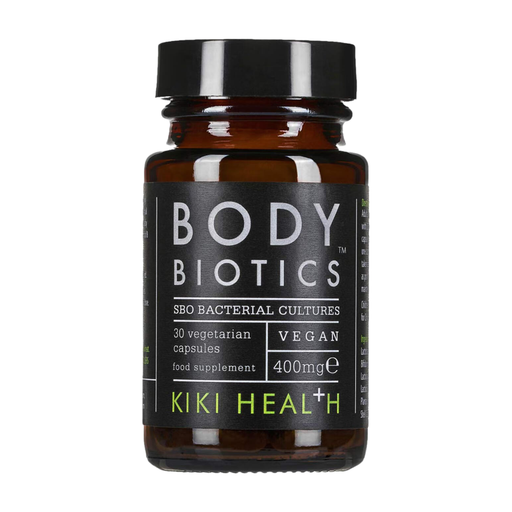
Why This Fits Their Persona: A straightforward one-capsule daily format for adults starting a vegan probiotic routine without refrigeration.
The label identifies eight bacterial strains and states a minimum of 1 billion live bacteria per capsule at manufacture, rather than relying only on vague wording.
Vegetable capsule; vegan-friendly; refrigeration not required according to the product information.
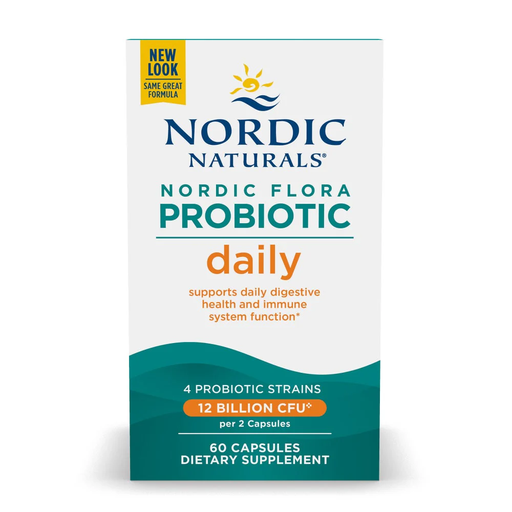
Why This Fits Their Persona: A daily adult formula for shoppers who want named strains, a stated culture count and a synbiotic-style combination.
The product information lists four strains, 12 billion cultures per serving and 20mg of FOS, making the formula easier to assess.
Vegan and dairy-free; one capsule daily; combines probiotic cultures with a prebiotic ingredient.

Why This Fits Their Persona: Suits adults seeking a higher-count vegan capsule with added inulin and psyllium fibre in one formula.
It states the six listed cultures, 50 billion CFU per capsule at manufacture, plus the quantities of inulin and psyllium.
Vegan; free from wheat, gluten, dairy and soya according to the product information; one capsule daily listed.
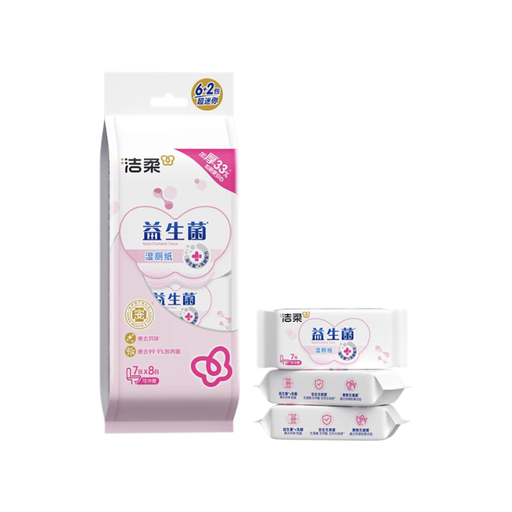
Why This Fits Their Persona: Compact individual packs are practical for commuting, travel, office storage and everyday personal hygiene.
The listing specifies unscented, alcohol-free and paraben-free wipes, helping shoppers screen for common irritation concerns.
Eight packs with seven wipes per pack; soft, thick material; portable ultra-mini format.
For a sensitive skin moisturiser, compare fragrance, emollients and barrier-supporting ingredients rather than assuming “probiotic” means a medical effect. The Korres Smart Yoghurt Probiotic Super Serum is fragrance-free and lists yoghurt, oat extracts and hyaluronic acid. The Skin 1004 Madagascar Centella Probio-Cica Intensive Ampoule combines fermented centella, ceramide NP and panthenol.
For women’s intimate probiotics or cranberry probiotics, check the exact strains, cranberry quantity, allergens and dosage. The Bio-Kult Pro-Cyan Advanced Cranberry Probiotic Capsules lists cranberry extract and vitamin A, while the label also identifies milk and soya. These are food supplements, not substitutes for medical assessment when symptoms persist.
Check the product’s best-before date and storage instructions. Live culture quantities may be stated at manufacture, so compare the label wording rather than assuming the stated CFU remains unchanged throughout the shelf life.
Not always. Some formulas are designed to remain stable at room temperature, while others recommend cool storage or refrigeration. Follow the current product label, keep the container dry and avoid heat such as radiators or direct sunlight.
Only when the product clearly states an appropriate age range and serving size. Children’s products such as KIKI Health Body Biotics Children’s Gummies are labelled for children aged four and above. Check allergens, dosage and medical advice requirements before use.