
24/7 Customer Support

Free returns

Same-day & Next-day Delivery

Quality Guaranteed

Unlock Your Welcome Offers: FREE Delivery | Up to 80% OFF | Free 30-day JoyPlus trial
Download the APP
Probiotic gummies can make daily supplementation easier for children, teenagers and adults who dislike capsules or powders. However, a sweet, chewable format can also make products harder to compare. A higher CFU number does not automatically mean a more suitable formula, while words such as “detox”, “immune boost” and “complete wellness” may say little about the ingredients you are actually buying.
Before choosing probiotic gummies, look beyond flavour and packaging. Check the intended age range, named strains, daily serving, allergens, sweeteners and whether the product is a probiotic, a prebiotic fibre supplement or a different type of daily wellness gummy altogether.
CFU means colony-forming units, a measure used to describe live microorganisms. It is useful, but it is not the only specification that matters. Two products may list similar CFU quantities while containing different strains and serving instructions.
Look for:
A probiotic gummy contains live bacterial cultures. A prebiotic fibre gummy supplies fibre that can be used by certain gut bacteria. An apple cider vinegar gummy or functional mushroom gummy is a separate category again.
For example, inulin gummies may be more relevant if your priority is increasing fibre intake, whereas adult probiotic gummies may be more appropriate when you specifically want a daily live-culture supplement. Do not treat digestive support gummies, daily wellness gummies and probiotic products as interchangeable.
Gummies are often easier to take because they taste like a confectionery product. Check the nutrition panel before giving them to a child or taking several supplements together. Some products contain sugar or glucose syrup; others use maltitol, sorbitol or stevia. Excessive consumption of certain sweeteners may cause a laxative effect.
Also check allergens carefully. Some children’s formulations contain milk, soya or coconut, while others may contain or be made in facilities handling nuts. Always read the current packaging, particularly if you or your child has an allergy or follows a restricted diet.
Age guidance is a non-negotiable specification. Children’s products may be labelled for ages 4 and above, while teen probiotic gummies may be intended for adolescents aged 13 and over. Adult formulas should not automatically be shared with younger family members.
Confirm:
Food supplements should not replace a varied, balanced diet and healthy lifestyle. If a child has a medical condition, takes medication or is under clinical supervision, seek advice from a healthcare professional before use.
A formula listing named strains gives you more information than one that only says “friendly bacteria”. Some products also contain vitamins or minerals with authorised UK nutrition claims, such as vitamin C or D contributing to normal immune function. These claims relate to the nutrient, not a promise that the gummy will prevent illness.
Compare the complete ingredient list, including:
For vegan or vegetarian shoppers, check whether the gummy uses pectin instead of gelatine. Shelf-stable products are convenient for a kitchen cupboard, school bag or office drawer, but they still need protection from heat, moisture and direct sunlight.
A product’s net quantity also affects value. A 30-gummy pack may provide 30 days at one gummy daily, but only 15 days where the serving is two gummies. Calculate the cost per daily serving rather than comparing bottle prices alone.

Why This Fits Their Persona: A 30-gummy pack offers a straightforward way for families to introduce a once-daily children’s supplement without committing to a larger quantity.
The label identifies eight bacterial cultures and states the intended age of 4 years and up, rather than relying only on a broad “wellness” description.
Contains a Body Biotics blend, real fruit ingredients and pectin; the stated serving is one gummy daily.
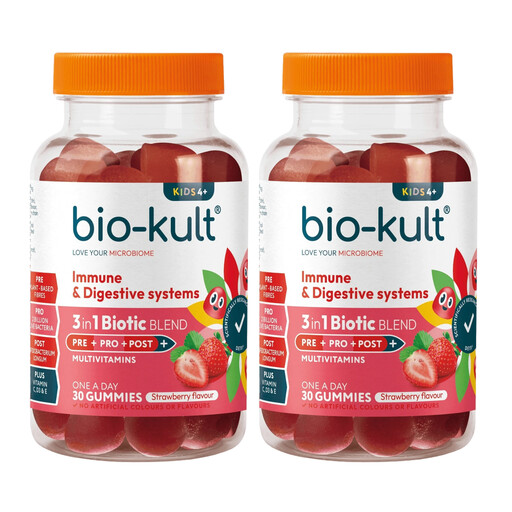
Why This Fits Their Persona: Parents wanting a clearly structured children’s formula may value the combined pre-, pro- and post-biotic format and two-pack supply.
The product information states 2 billion CFU per gummy, one-gummy dosing and suitability from age 4, making comparison more transparent.
Includes vitamins C, D3 and E, with a strawberry flavour and no artificial colours or flavours listed.
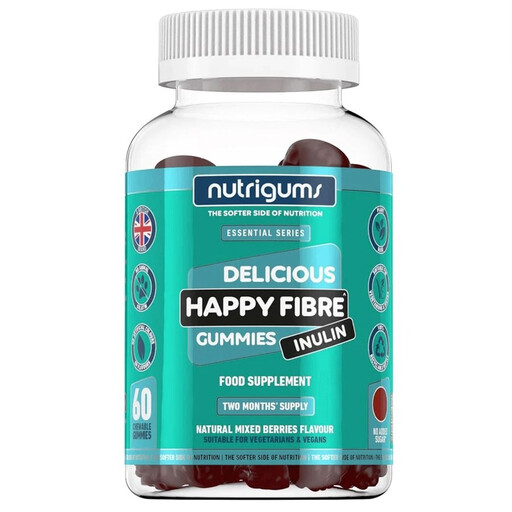
Why This Fits Their Persona: Shoppers specifically looking for additional fibre rather than live cultures can use this two-gummy serving as part of a daily routine.
It is clearly presented as an inulin prebiotic fibre product, so buyers are less likely to confuse it with a live probiotic formula.
Provides 3.8g of inulin per two gummies, is pectin-based and suitable for vegan and vegetarian diets.

Why This Fits Their Persona: Dog owners who need a chew format may find chicken-flavoured soft chews easier to include in a pet-care routine than powders.
It is labelled specifically for dogs and lists its probiotic, prebiotic and postbiotic ingredients, rather than being a human supplement repurposed for pets.
Two soft chews provide a stated 3.75 billion CFU probiotic blend, alongside FOS, GOS and a yeast symbiotic postbiotic blend.
We have compiled a complete, real-time list of products that fully satisfy these strict selection criteria and UK safety regulations.
Follow the product label. Many shelf-stable gummies should be kept in their original container in a cool, dry place away from direct sunlight, heat and moisture. Close the container after use and check the best-before information. Do not refrigerate unless the packaging specifically instructs you to do so.
This depends on the daily serving. A 30-gummy pack lasts 30 days at one gummy daily, while a 60-gummy pack requiring two gummies per day lasts 30 days. Always calculate the cost per serving, not simply the cost per bottle.
Read the label and ask a pharmacist or healthcare professional if you take prescribed medication, have a medical condition, or are pregnant or breastfeeding. For children, seek advice before use where medication or medical supervision is involved. Do not exceed the recommended daily intake, and stop use if an adverse reaction occurs.