
24/7 Customer Support

Free returns

Same-day & Next-day Delivery

Quality Guaranteed

Unlock Your Welcome Offers: FREE Delivery | Up to 80% OFF | Free 30-day JoyPlus trial
Download the APP
Feeling bloated, sluggish or just not quite right? You're not alone. Many of us in the UK are looking for ways to support our digestive system. The world of gut health supplements can be confusing, filled with technical terms and competing claims. This guide is designed to cut through the clutter, helping you understand what to look for in a daily probiotic and showing you some carefully selected options.
Our goal is to provide clear, practical information so you can choose a live cultures supplement that fits your lifestyle and wellness goals, whether you're looking for digestive support, help with occasional supplements for bloating or simply want to proactively improve your gut microbiome.
Navigating the options can feel overwhelming. Here are a few key factors to consider when comparing products, helping you make a more informed choice.
When you look at a probiotic label, you'll often see "CFU," which stands for Colony Forming Units. This number indicates the quantity of viable bacteria in each dose. While a higher number can be appealing, the diversity of strains is also important. Different strains, such as Lactobacillus acidophilus and Bifidobacterium, perform different roles within the gut. A supplement with multiple, well-researched strains may offer broader support for your gut microbiome.
How live cultures survive the journey through the acidic environment of your stomach is a critical consideration.
Always check the full ingredients list. Many modern formulas are designed to meet specific dietary needs, with vegan probiotics becoming widely available. Look for products free from common allergens like gluten, dairy and soy if you have sensitivities. Some supplements also include beneficial extras like prebiotic fibre (which feeds good bacteria), botanical extracts like ginger or fennel for digestive comfort or vitamins to support the immune system.
Here are a few standout products that address different needs and preferences, selected to help you find a suitable match for your wellness routine.
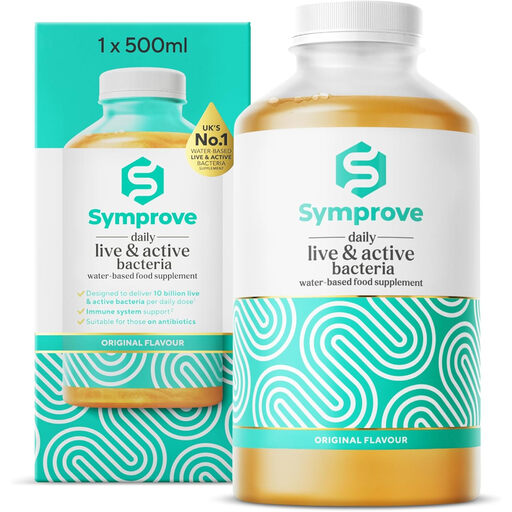
Why It Stands Out: Symprove’s key feature is its unique water-based delivery system. It contains four carefully selected strains of live and active bacteria. Because the bacteria are delivered in a liquid format, they are designed to bypass the harsh acidic environment of the stomach, ensuring they arrive in the gut alive and ready to thrive.
Pros:
Who is it for? This is an excellent choice for individuals who prioritise a product's delivery mechanism and prefer a liquid supplement over pills. It’s particularly well-suited for those with specific dietary requirements, such as vegans or those avoiding gluten.
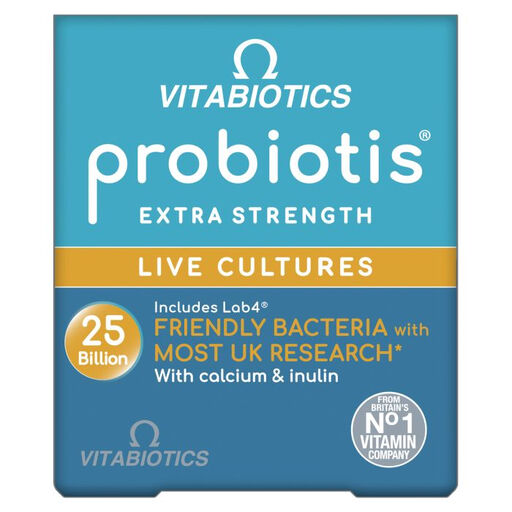
Why It Stands Out: For those seeking a high-strength capsule, this Vitabiotics formula delivers. Each capsule provides 25 billion live cultures from seven different strains, including well-known types like Lactobacillus acidophilus and Bifidobacterium. It also includes calcium, which contributes to the normal function of digestive enzymes.
Pros:
Who is it for? This is a strong option for anyone looking for a convenient, high-CFU daily capsule that doesn't require refrigeration. The inclusion of calcium makes it a good fit for those specifically wanting to support their digestive enzymes.

Why It Stands Out: Wellgard Gutstar focuses on diversity and holistic support. Each capsule contains 20 billion live cultures across an impressive 16 different strains, providing a wide range of beneficial bacteria. The formula is enhanced with botanical extracts of fennel and ginger to aid digestion, plus Vitamin B12 to contribute to the normal function of the immune system.
Pros:
Who is it for? This is ideal for individuals who want a multi-faceted supplement that supports not only the gut microbiome but also offers additional digestive and immune benefits. Its allergen-free profile makes it a safe choice for those with sensitivities.
The journey to better gut health is personal, and the right supplement for you depends on your unique needs. If the products above aren't the perfect fit, or if you'd like to explore other formats and formulations, we have a wider selection available.
Explore Our Full Range of Gut Health Supplements
The terms are often used interchangeably. Probiotics are live microorganisms which, when administered in adequate amounts, confer a health benefit on the host. "Live cultures" is a broader term for the living bacteria found in supplements and fermented foods like yoghurt or kefir. All probiotics contain live cultures, but not all live cultures meet the specific definition of a probiotic.
This varies greatly from person to person, as everyone's gut microbiome is unique. Some people may notice changes in a few days or weeks, while for others it might take longer. Consistency is key. Many brands recommend taking their product for at least 12 weeks to allow time for the bacteria to colonise and for you to assess the effects.
Generally, yes. Probiotics are considered food supplements and can usually be taken as part of your existing supplement routine. However, if you are taking prescription medication, especially antibiotics, it's wise to consult your doctor or pharmacist. When taking antibiotics, it's often recommended to take your probiotic several hours apart from your medication.