
24/7 Customer Support

Free returns

Same-day & Next-day Delivery

Quality Guaranteed

Unlock Your Welcome Offers: FREE Delivery | Up to 80% OFF | Free 30-day JoyPlus trial
Download the APP
Choosing probiotic supplements can feel unnecessarily complicated. Product pages often highlight large numbers, multiple strains and phrases such as “high strength”, but these details do not always tell you whether a supplement suits your diet, routine or intended use.
For UK shoppers, the practical choice depends on more than the headline CFU figure. You should check how the cultures are measured, whether the product needs refrigeration, who can take it and what other ingredients are included.
Live cultures CFU means colony-forming units, an estimate of viable microorganisms in a serving. A high number may look attractive, but CFU should be considered alongside the named strains, recommended serving and stability information.
Also check whether the figure is guaranteed at the time of manufacture or through the stated best-before date. These are not the same claim. A product with a lower listed amount may be more suitable for a simple daily routine, while high-strength probiotics may be preferred by shoppers who have already discussed supplementation with a healthcare professional.
Eight, ten or fourteen strains may sound persuasive, but more strains do not automatically mean greater suitability. Look for the full strain or species information and consider whether the formula matches your requirements.
For example, a general daily capsule differs from women’s intimate probiotics, a children’s chewable or a cranberry probiotic supplement. The intended use, age guidance and ingredients matter as much as the number of cultures.
Some probiotic supplements are shelf-stable, whereas others require cool storage or refrigeration after opening. This can affect convenience if you travel, have limited fridge space or want to keep capsules in a work bag.
You should also check for milk, soya, gluten, sweeteners and capsule materials. “Plant-based” does not necessarily mean allergen-free, and a vegetarian product is not always vegan. Read the current UK label before buying, particularly if you are pregnant, taking medication or managing a medical condition.
Compare the CFU per recommended serving, not simply the number printed in the product title. A daily probiotic capsule may provide one capsule per day, while another product may require two. Check whether the stated CFU applies to one capsule, one gummy, one stick or a measured liquid dose.
CFU is a quantity measure, not a guarantee that a supplement will produce a particular personal outcome. Consistency, storage and the selected strains all contribute to the buying decision.
A multi-strain formula may suit shoppers who want a broader blend of Lactobacillus and Bifidobacterium cultures. Others may prefer a shorter formula with two clearly identified strains.
Prebiotic and probiotic supplements also contain ingredients such as inulin, fructooligosaccharides or fibre. These are included as a food source for certain beneficial bacteria, but some people may find added fibres unsuitable or difficult to tolerate. Check the ingredient list rather than choosing solely by the “synbiotic” label.
Capsules are familiar and discreet, while probiotic powder sticks can be useful when you do not want to swallow tablets. Probiotic gummies for children may be easier for younger users, but always follow the stated minimum age and dosage. Liquid probiotics can suit shoppers who prefer a measured drink, although opened bottles may need refrigeration.
For UK use, check whether the product is suitable for adults or children, whether it is vegan and whether it can be stored at room temperature. Supplements should not replace a varied, balanced diet or medical advice.
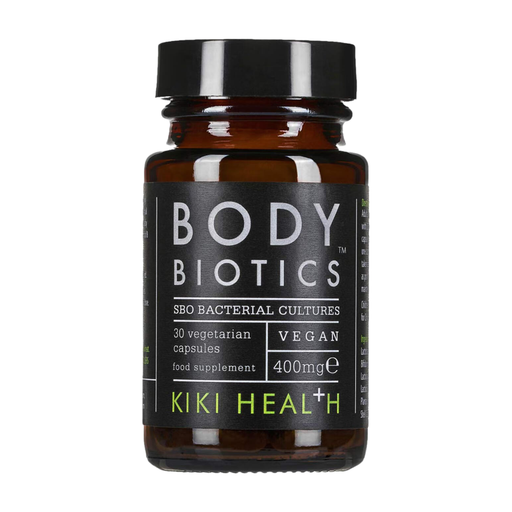
Why This Fits Their Persona: A straightforward one-capsule daily format for adults starting a regular vegan-friendly routine without refrigeration.
The label states a minimum of 1 billion live bacteria per capsule at manufacture and identifies eight bacterial strains, rather than relying only on a vague “premium” claim.
Vegan and vegetarian suitable; shelf-stable; free from artificial additives, fillers and common allergens according to the supplied product information.
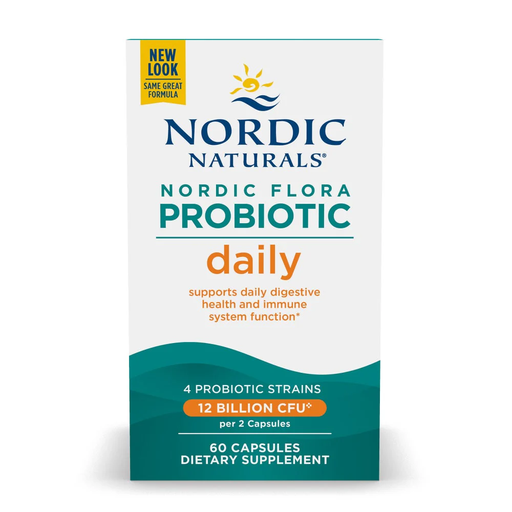
Why This Fits Their Persona: Suits adults seeking a clearly quantified daily capsule with both probiotic cultures and a prebiotic ingredient.
The supplied information specifies 12 billion CFU per serving, four named strains and 20 mg of fructooligosaccharides, making the formula easier to compare.
Vegan and dairy-free; 60 capsules; includes a probiotic and prebiotic combination.
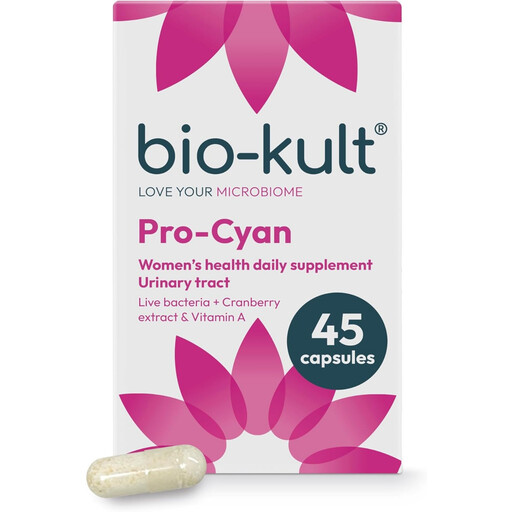
Why This Fits Their Persona: Intended for adults comparing targeted urinary and intimate wellness ingredients rather than a general digestive formula.
The product clearly lists 500 mg cranberry extract, 36 mg PACs, vitamin A and live bacterial cultures, while also flagging milk and soya allergens.
Combines cranberry extract with live cultures; 45-capsule format; designed for adult daily use.
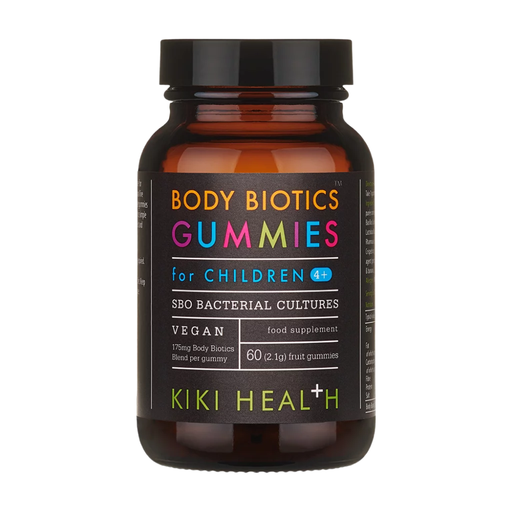
Why This Fits Their Persona: A chewable option for children aged 4 years and above, useful for families who prefer not to use capsules.
The stated age guidance is clear, and the product information identifies the blend, serving size and potential peanut, tree nut and soya traces.
One gummy daily; real fruit ingredients; no artificial colours or preservatives according to the supplied details.
We have compiled a complete, real-time list of products that fully satisfy these strict selection criteria and UK safety regulations.
Follow the product label because directions vary. Many daily probiotic capsules are taken once daily with water, while some are recommended with food. Avoid hot drinks if the packaging advises this, and separate certain probiotics from antibiotics when instructed. Ask a pharmacist or GP for personalised guidance.
Not always. Some products are specifically labelled as shelf-stable and should be stored in a cool, dry place. Others may require refrigeration, particularly after opening. Always follow the storage instructions on the current UK packaging rather than assuming all liquid probiotics or capsules are handled in the same way.
Vegan probiotics can be suitable for adults following plant-based diets, but “vegan” does not remove the need to check age guidance, allergens, medication warnings or medical conditions. Children, pregnant or breastfeeding individuals and people with compromised immunity should seek appropriate healthcare advice before using a supplement.