
24/7 Customer Support

Free returns

Same-day & Next-day Delivery

Quality Guaranteed

Unlock Your Welcome Offers: FREE Delivery | Up to 80% OFF | Free 30-day JoyPlus trial
Download the APP
Choosing professional hand tools is not simply a matter of buying the largest set or the product with the most impressive description. The right choice depends on the task, the working environment and whether you need controlled torque, clean cutting, secure gripping or broad everyday coverage.
For UK DIY enthusiasts, mechanics, joiners, plumbers, electricians and maintenance workers, a poorly matched tool can waste time and damage fasteners or materials. This guide explains the common purchasing traps, the specifications worth checking and a selection of tools matched to different types of users.
A large mechanic tool set may contain more than 100 pieces, but the number alone does not tell you whether it includes the sizes and drive types you use. Check for a useful mix of socket sizes, ratchet drives, spanners, bits and hex keys rather than focusing only on the headline quantity.
A fine-toothed handsaw designed for MDF or plywood is not automatically suitable for rapid rough timber cutting. Similarly, water pump pliers are useful for gripping pipework and irregular shapes, but they are not a substitute for a correctly sized combination spanner.
Match the tool to the material and fastener. This improves control and reduces the likelihood of slipping, damaged edges or premature wear.
Tools kept loose in a damp shed or van can corrode, become difficult to locate or suffer damaged jaws and blades. A storage roll, pouch or fitted case can be valuable for both home repair tools and automotive tools.
Always use the correct size, wear suitable eye protection when cutting or gripping and inspect tools before use. Do not use ordinary hand tools on live electrical circuits unless they are specifically rated and the work is carried out safely by a suitably qualified person.
A digital torque wrench should be selected around the fasteners you regularly work on. A very high maximum range is not automatically useful if most of your jobs involve small bicycle, motorcycle or vehicle fasteners.
Look for:
Never exceed the manufacturer’s torque limit. A torque wrench should also be stored and maintained according to its instructions rather than used as a general breaker bar.
For spanners, ratchets and pliers, drop-forged chrome vanadium steel is a commonly specified material. Heat treatment, jaw hardness and corrosion-resistant finishes can also affect durability, but they should be considered alongside correct use and maintenance.
Check whether:
For woodworking tools, handsaw tooth count is important. Fine teeth, such as 11/12 TPI, can support cleaner cuts in sheet materials including plywood, MDF and chipboard. An 8 TPI universal saw is generally more suitable when you want a broader cutting application.
For a utility knife set, check blade width, locking action and replacement blade availability. A snap-off blade is convenient, but it must be retracted fully and disposed of safely after use.
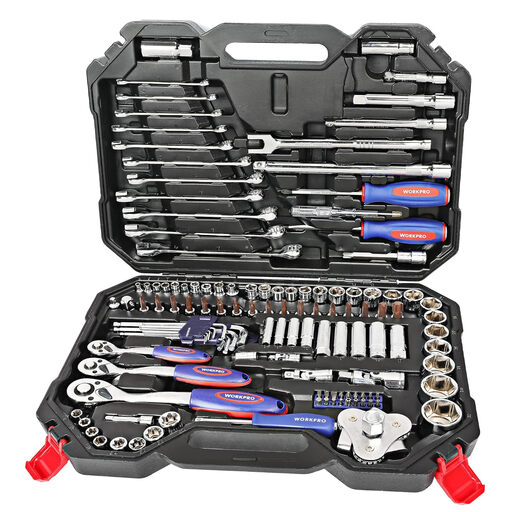
Why This Fits Their Persona: A broad starter kit for UK households, new homeowners and occasional vehicle maintenance, with storage that keeps frequently used tools together.
It lists the included socket, ratchet, spanner, bit and hex-key components, helping buyers judge coverage instead of relying only on the piece count.
123 pieces, three drive sizes and a blow-moulded case provide organised coverage for home repair and light automotive tasks.
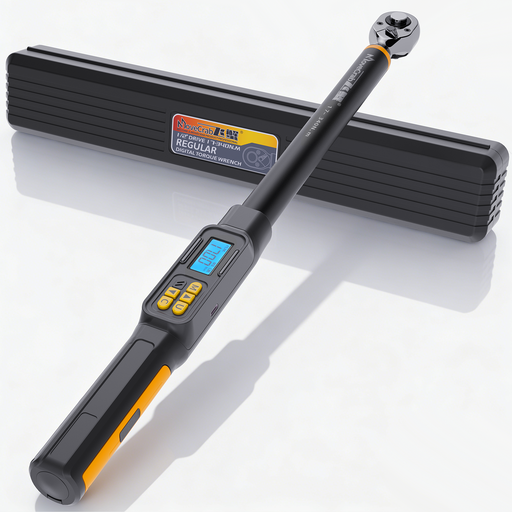
Why This Fits Their Persona: Suitable for users who need visible torque readings for automotive, motorcycle, bicycle or workshop fastening tasks.
Its specification states a 17–340 N·m range, ±2% clockwise accuracy and vibration, sound and LED alerts, making the operating information clearer than a vague “high precision” label.
Offers N·m, ft·lb, in·lb and kgf·cm displays, plus 10 preset values and track or peak modes.
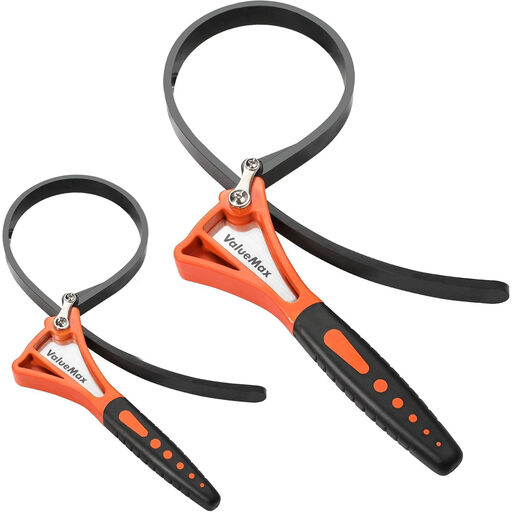
Why This Fits Their Persona: A practical option for mechanics, plumbers and maintenance workers handling smooth filters, pipe fittings, bottles or other rounded objects.
The two sizes and stated torque limits help users select the appropriate wrench rather than overstressing a single universal tool.
Includes 460mm and 630mm rubber band wrenches, with surface-safe gripping for suitable smooth or finished objects.
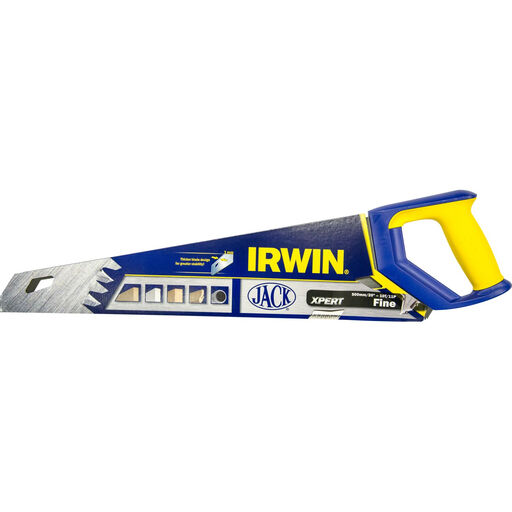
Why This Fits Their Persona: Designed for carpenters, joiners and DIY users cutting plywood, MDF, chipboard and other man-made sheet materials where the finish matters.
Its 11/12 TPI specification makes its intended fine-cut application clearer than a general-purpose saw marketed for every material.
The 550mm blade and soft-grip handle support controlled strokes, while the fine tooth configuration is intended for clean sheet-material cuts.
A combination spanner set can cover routine nuts and bolts, while a separate 90-tooth ratchet wrench is useful in confined areas. For household maintenance, consider water pump pliers, a utility knife set and a compact precision pliers set.
The WORKPRO five-piece precision pliers set includes needle-nose, flat-nose, combination, front-cutting and side-cutting pliers in a storage pouch. For broader household and plumbing tasks, a four-piece pliers set combines combination, long-nose, side-cutting and water pump pliers.
Keep cutters and blades clean and dry, apply light oil to plier pivots when appropriate and store sharp tools securely. These simple steps can help preserve usability and reduce avoidable replacement costs.
We have compiled a complete, real-time list of products that fully satisfy these strict selection criteria and UK safety regulations.
Start with a socket set, ratchet, combination spanners, screwdrivers, hex keys, pliers, a tape measure and a utility knife. Add a torque wrench, handsaw or specialist automotive tools when your projects require them.
Use a fitted case, pouch or tool roll and keep it in a dry, ventilated location. Wipe away moisture after use, particularly after outdoor work and check metal surfaces periodically for corrosion.
It can be useful if your work involves specified fastening torque, such as bicycle, motorcycle or vehicle maintenance. For occasional general repairs, a standard ratchet and socket set may cover more tasks, while a digital torque wrench provides clearer numerical control for suitable applications.