
24/7 Customer Support

Free returns

Same-day & Next-day Delivery

Quality Guaranteed

Unlock Your Welcome Offers: FREE Delivery | Up to 80% OFF | Free 30-day JoyPlus trial
Download the APP
A professional OBD2 scanner can do far more than switch off a dashboard warning light. The right automotive diagnostic tool can scan multiple control modules, display live data, perform active tests and support routine service functions. However, choosing one is not simply a matter of counting features on a product page.
For UK DIY car owners, mobile technicians and independent garages, three purchasing traps appear regularly:
A basic car fault code reader normally handles standard emissions-related functions such as reading and clearing engine codes, viewing freeze-frame data and checking inspection readiness. This is useful for a warning-light check, but it may not be sufficient for workshop-level diagnosis.
A full-system car scanner should be able to access available modules such as:
Coverage is not universal. Confirm compatibility using the vehicle’s registration details or VIN before purchase, particularly when working with European vehicles that use manufacturer-specific communication protocols.
A bidirectional OBD2 scanner, also described as an active test diagnostic tool, can send commands to selected vehicle components through the ECU. Depending on the vehicle, this may include radiator fans, fuel pumps, window motors, door locks, lights, valves or air-conditioning clutches.
This feature can help distinguish an electrical or actuator fault from a wiring, sensor or control-module issue. It should be used carefully:
The availability of individual tests varies significantly by vehicle.
A scanner with lifetime updates can reduce long-term ownership costs, but check exactly what the policy includes. Some products offer lifetime access to standard OBD2 functions while charging separately for advanced services or vehicle software.
For newer vehicles, support for CAN-FD can improve compatibility with modern vehicle networks. DoIP support may also be relevant for selected vehicles that communicate diagnostic data over Ethernet. These protocols do not guarantee access to every function, so they should be considered alongside brand and model coverage.
Also check whether FCA AutoAuth, gateway access or another manufacturer authorisation is required. The account or registration fee may be separate from the scanner purchase.
The most suitable professional OBD2 scanner depends on whether you need occasional checks, routine servicing or deeper workshop diagnosis. The cards below compare practical options using their stated features and limitations.
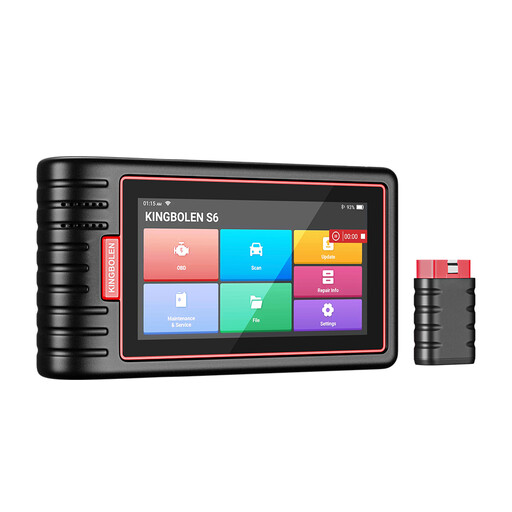
Why This Fits Their Persona: A handheld Bluetooth car diagnostic scanner for DIY owners who want more than engine-code reading without moving immediately to a larger workshop tablet.
It states full-system diagnostics, Auto-VIN and 28 maintenance functions rather than presenting itself as only a basic code reader. Function availability still depends on the vehicle.
Supports 93 listed brands, Bluetooth operation, 28 service functions and lifetime free updates for its stated software coverage.
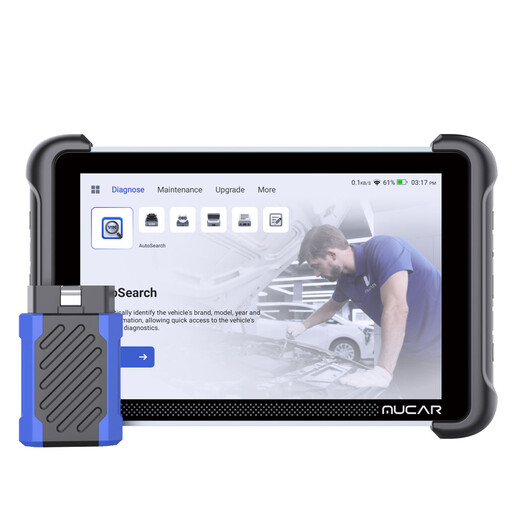
Why This Fits Their Persona: Its tablet format and workshop-focused accessories suit independent garages, mobile technicians and users who prefer a dedicated screen rather than a phone app.
The listing clearly identifies CAN-FD, DoIP, ECU coding, bidirectional control and service functions, helping buyers distinguish it from an entry-level vehicle code reader.
Features an 8-inch touchscreen, magnetic VCI, more than 34 service functions and stated lifetime free updates without annual licence fees.
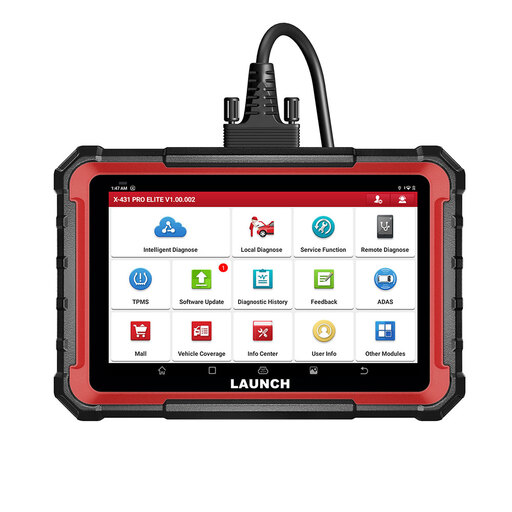
Why This Fits Their Persona: Designed for busy workshops that need full-system diagnostics, active tests, ECU coding and a route to add equipment such as TPMS or an oscilloscope.
Its update period is stated as two years rather than lifetime, making the ongoing cost easier to assess before purchase. FCA authorisation may still be separate.
Offers CAN-FD and DoIP, ECU coding, active tests, 31 listed reset services, an 8-inch display and support for additional workshop tools.
Before ordering a professional OBD2 scanner, check:
Yes, provided the user understands the selected function and checks vehicle compatibility first. A full-system scan and live-data reading are generally more accessible than ECU coding or active tests, which require greater care.
Not always. Some products include lifetime updates or lifetime access to standard functions, while others include updates for a limited period. Manufacturer authorisation, such as FCA AutoAuth, can involve separate registration or fees.
Service life depends on storage, battery care, software support and physical handling. A scanner with replaceable or well-maintained cables, regular software updates and a protected storage case may remain useful for many years, although vehicle coverage can change as new systems are introduced.