
24/7 Customer Support

Free returns

Same-day & Next-day Delivery

Quality Guaranteed

Unlock Your Welcome Offers: FREE Delivery | Up to 80% OFF | Free 30-day JoyPlus trial
Download the APP
A professional OBD2 diagnostic scanner can do far more than switch off a warning light. Depending on the vehicle and software coverage, it may access multiple control modules, display live data, perform active tests, complete service resets and support ECU coding.
However, product listings often use similar terms for very different levels of capability. A low-cost reader may only access the engine ECU, while an all-system car diagnostic scanner can also communicate with the transmission, ABS, SRS, body control and other modules. Before buying, check what the tool can actually do for your vehicle rather than relying on broad claims such as “universal” or “OE-level”.
Standard OBD2 functions typically include reading and clearing engine fault codes, viewing freeze-frame data, checking live data and reviewing I/M readiness. These are useful, but they do not automatically mean the tool can scan ABS, airbags, automatic transmissions or body electronics.
If you need a full-system vehicle diagnostic scanner, look for explicit support for the systems you intend to access. A product described only as an OBD2 code reader may not provide wider module coverage.
A scanner may list 15, 20 or more reset functions, but availability depends on the vehicle’s make, model, year, ECU and software version. The same applies to a bi-directional OBD2 scanner. Active tests such as operating a cooling fan, injector, window, fuel pump or ABS motor are vehicle-specific.
Treat the function count as a guide, not a guarantee. Check the vehicle VIN with the seller before purchase, particularly if you need injector coding, immobiliser functions, DPF regeneration or ECU programming.
A lifetime free updates diagnostic scanner can reduce ongoing software costs, but confirm exactly what “lifetime” covers. Some products include lifetime updates for basic diagnostics but charge separately for advanced functions or additional vehicle software.
Newer vehicles may also use protected gateways. FCA AutoAuth access, for example, may require a separate registration or subscription through the relevant service. The scanner may provide the login portal without including that external authorisation.
For routine fault-finding, choose a tool that clearly lists ECM or engine, TCM or transmission, ABS and SRS access at minimum. Workshop users may also need TPMS, HVAC, BCM, EPS and battery systems.
Live data is particularly useful when a code alone does not identify the failed component. Check how many parameters can be displayed together, whether graphs are available and whether reports can be saved or shared. These features help compare sensor readings during diagnosis and document a vehicle inspection.
A bi-directional OBD2 scanner sends commands to the vehicle ECU rather than simply receiving information. This can support an active test car scanner workflow, such as switching a relay, operating a fan or checking an actuator response.
Use these functions carefully. Keep the vehicle battery sufficiently charged and follow the on-screen instructions. Active tests do not replace electrical measurements or mechanical inspection, and available tests vary considerably by vehicle.
A scanner with OBD2 scanner with CAN-FD support is designed to communicate with certain newer vehicle networks without requiring a separate adaptor. DoIP, or Diagnostics over Internet Protocol, is another protocol used by some modern vehicles.
Protocol support alone does not confirm complete coverage. Always check the exact vehicle application, especially for imported cars, electric or hybrid vehicles, light commercial vehicles and models with secure gateway systems.
A car diagnostic tool with reset functions may include oil service reset, EPB, SAS, BMS, TPMS, throttle relearn, ABS bleeding, DPF regeneration and injector coding. More advanced equipment may add ECU coding, module matching or programmable module installation.
Coding can change vehicle configuration or adaptive data. Use a stable power supply and verify compatibility before starting. A failed programming session can create additional problems, so these features are more suitable for users who understand the relevant repair procedure.
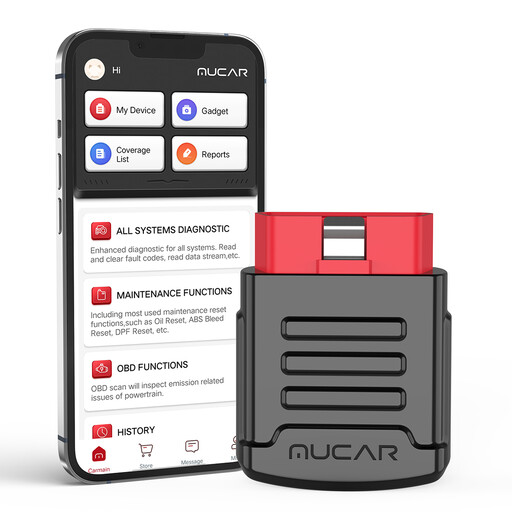
Why This Fits Their Persona: A compact Bluetooth option for UK drivers, DIY users and occasional home maintenance who want full-system access through an iOS or Android phone.
The listing separates the Pro version’s 15 resets from the standard model and states that coverage varies by vehicle.
Bluetooth connection, full-system diagnostics and lifetime access to standard diagnostic functions.
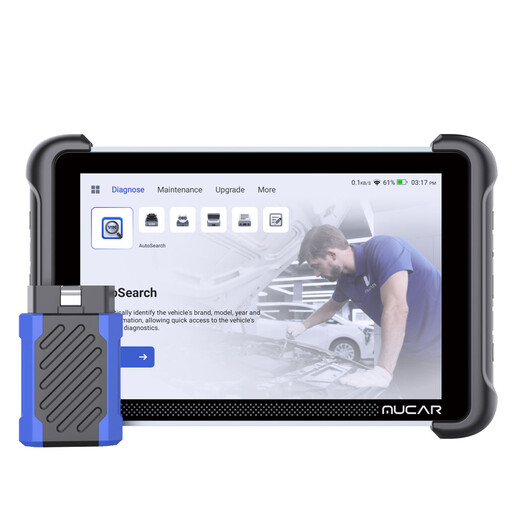
Why This Fits Their Persona: Suitable for independent garages and advanced vehicle owners who need a tablet-style interface and broader diagnostic functions.
The product information specifies CAN-FD, DoIP, ECU coding and vehicle-dependent active tests rather than presenting them as universal functions.
8-inch touchscreen, 34+ service functions and lifetime free updates stated in the listing.
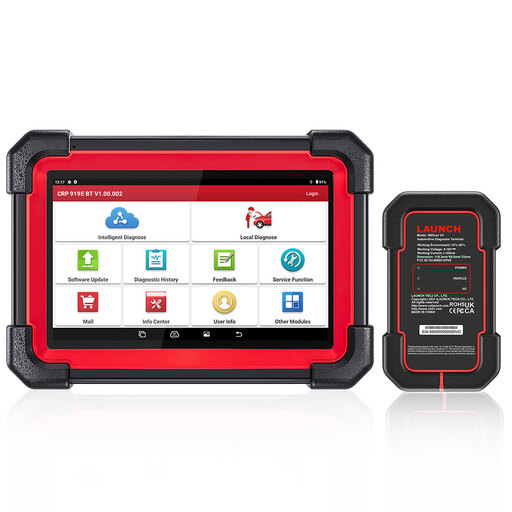
Why This Fits Their Persona: A practical match for mobile mechanics, used-car inspectors and small workshops handling varied European vehicles.
It clearly states that ECU coding and active tests depend on vehicle manufacturer, model and year, while FCA access may require an optional account.
Supports CAN-FD and DoIP, with a 7-inch tablet, Bluetooth VCI, active tests, ECU coding and 31+ reset services listed.
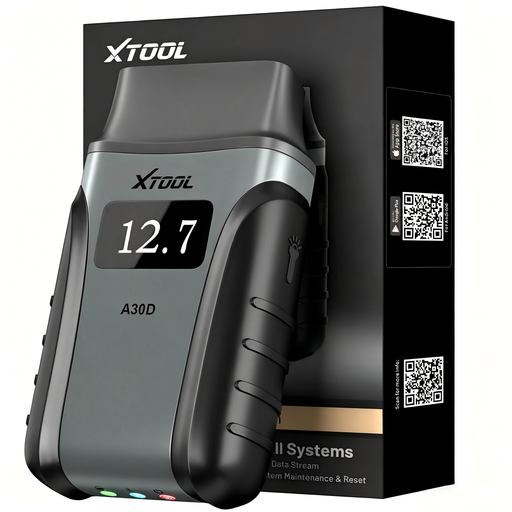
Why This Fits Their Persona: Its wireless phone-based format suits driveway repairs, roadside checks and technicians who need to move around a vehicle.
The listing states that reset and active-test availability varies by vehicle and identifies FCA AutoAuth as a separate requirement where applicable.
Wireless Bluetooth operation, 19 listed reset functions, CAN-FD support and lifetime free software updates.
We have compiled a complete, real-time list of products that fully satisfy these strict selection criteria and UK safety regulations.
Before connecting any automotive scan tool:
An I/M readiness result can show whether emissions monitors have completed their checks, but it does not guarantee an MOT result. Repairs, warning lights, emissions readings and the vehicle’s wider condition still matter.
It can be worthwhile if you regularly maintain more than one vehicle or need functions beyond engine-code reading. Full-system scans, live data and service resets can reduce unnecessary parts replacement, but only when the scanner supports your specific vehicles.
The hardware can remain usable for several years if it is stored away from moisture, heat and direct sunlight. Software coverage is more important than the casing: check update terms, app support, warranty length and whether advanced functions require renewal.
This depends on the product. Some listings specify lifetime free updates for basic or full-system functions, while other tools provide a limited update period or charge for optional software. Read the update conditions carefully and check whether manufacturer authorisation, such as FCA AutoAuth, is separate.