
24/7 Customer Support

Free returns

Same-day & Next-day Delivery

Quality Guaranteed

Unlock Your Welcome Offers: FREE Delivery | Up to 80% OFF | Free 30-day JoyPlus trial
Download the APP
A professional OBD2 car diagnostic scanner can do far more than switch off a dashboard warning light. Depending on the model, it may read multiple control units, display live data, perform active tests, complete service resets and support ECU coding. The challenge is separating useful capability from attractive but restrictive marketing claims.
For UK DIY owners, mobile mechanics and small workshops, three purchasing traps appear frequently:
A sensible purchase starts with the functions you actually need rather than the number of features printed on the box.
A basic OBD2 code reader generally focuses on emissions-related engine faults. That can be enough for checking a warning lamp, but it is limited for workshop maintenance or used-car inspections.
A full-system car diagnostic tool should clearly state which modules it can access. Look for coverage such as:
“Full-system” is not a universal standard, so check the manufacturer’s vehicle coverage list before ordering.
A bi-directional diagnostic scanner can send commands to supported vehicle components, such as cooling fans, fuel pumps, windows or solenoids. This can help narrow down a fault without removing multiple parts. However, active tests are vehicle-dependent and should be performed with suitable battery support and repair knowledge.
A car scanner with reset functions may include oil service reset, EPB, BMS, SAS, TPMS, DPF regeneration, throttle relearn, injector coding or ABS bleeding. These functions are not interchangeable: an oil reset is a routine service action, while ECU coding or module programming can alter vehicle configuration. Confirm the exact function for your car before purchase.
An ECU coding tool may support online or offline coding, but access can vary by manufacturer. Do not assume that a scanner offering coding will programme every replacement module.
Modern vehicles may use CAN FD or DoIP communication. A CAN FD diagnostic tool can communicate with selected newer vehicle networks, while DoIP uses Ethernet-based communication on compatible vehicles. This can improve coverage, but it does not remove the need to check the vehicle-specific list.
For FCA vehicles, an FCA AutoAuth scanner may require a separate AutoAuth account or paid authorisation. That cost is not necessarily included with the scanner.
Finally, check whether “lifetime free updates” applies to all functions or only basic software. App-based Bluetooth tools may also require account registration, phone storage and a compatible operating system. These are practical ownership costs even when there is no annual subscription.
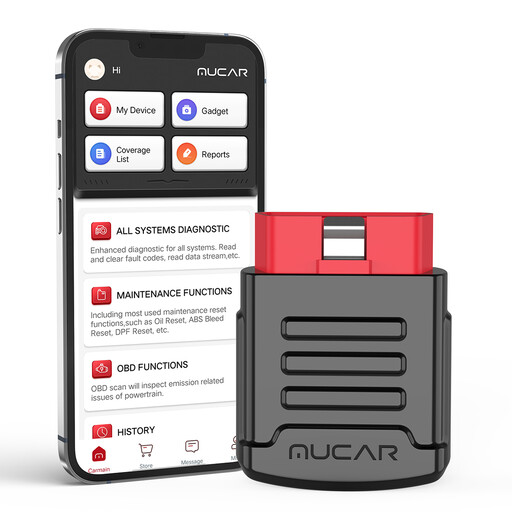
Why This Fits Their Persona: A phone-connected option for UK drivers, home mechanics and used-car checks who want full-system access without buying a larger tablet.
The listing separates lifetime full-system and OBD2 access from the 15 reset services, which have a stated one-year free period.
Bluetooth operation, live-data graphs, reports and support for more than 115 vehicle brands.
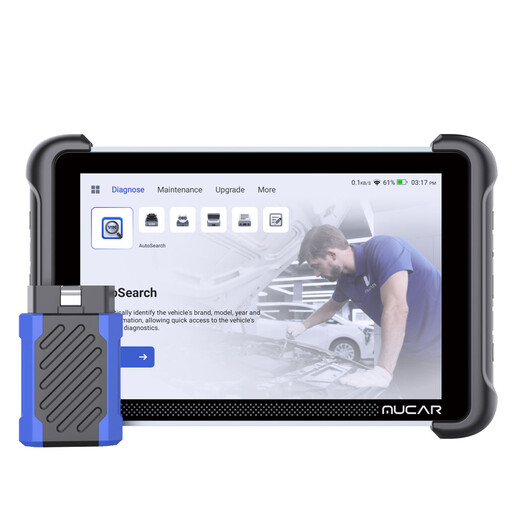
Why This Fits Their Persona: Its tablet format suits independent garages and technicians who need a larger display for repeated diagnostics and workshop reports.
The product information identifies lifetime updates, while also noting that advanced coding can require internet access or manufacturer-level support.
8-inch touchscreen, ECU coding, bi-directional control, CAN-FD and DoIP support, plus 34+ service functions.
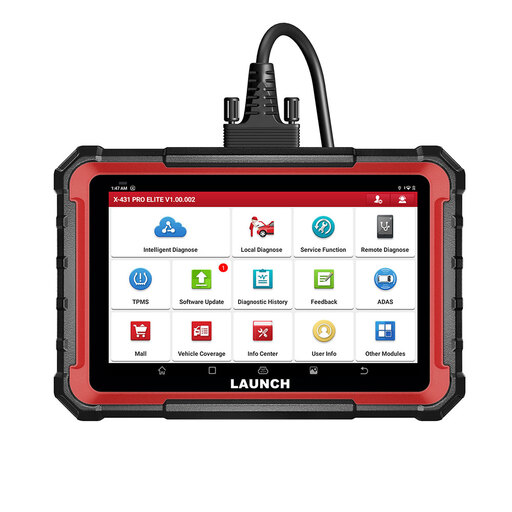
Why This Fits Their Persona: Designed for busy workshops and mobile technicians handling varied vehicles, advanced resets and module-related work.
The listing specifies the update period and states that vehicle, model and year affect available functions, helping buyers check scope before ordering.
Full-system diagnostics, active tests, ECU coding, FCA AutoAuth support, CAN FD and DoIP communication.
We have compiled a complete, real-time list of products that fully satisfy these strict selection criteria and UK safety regulations.
Before paying for an automotive scan tool, confirm:
It can be suitable for mobile checks, live data and selected repairs, provided its app offers the required system coverage and functions. A tablet-based scanner may be more convenient for frequent workshop work because it has a dedicated screen, storage and built-in reporting.
Not always. Lifetime free updates can reduce long-term software costs and help maintain coverage for newer vehicles. Check the wording carefully, as some products apply lifetime access only to basic OBD2 functions, while service functions may have a separate term.
AI-assisted software can explain fault codes, organise symptoms and suggest possible checks. It should not be treated as a guaranteed diagnosis. Confirm the result with live data, wiring checks, manufacturer procedures and appropriate mechanical inspection before replacing parts.