
24/7 Customer Support

Free returns

Same-day & Next-day Delivery

Quality Guaranteed

Unlock Your Welcome Offers: FREE Delivery | Up to 80% OFF | Free 30-day JoyPlus trial
Download the APP
A professional OBD2 diagnostic scanner can do far more than switch off a dashboard warning light. The right automotive scan tool may access multiple control modules, display live data, run active tests and complete selected service resets. However, buying the wrong device can leave you with limited vehicle coverage, unexpected software charges or functions that do not work on your particular car.
This guide explains what UK DIY owners, mobile technicians, independent mechanics and small garages should check before buying.
A full-system diagnostic scanner generally means the device can communicate with available modules such as the engine, transmission, ABS, SRS, body control, air conditioning or TPMS. It does not guarantee identical access across every make, model and year.
Functions including ECU coding, injector coding, immobiliser work and active tests are especially vehicle-specific. Before ordering, confirm compatibility using the car’s make, model, year and VIN where possible.
“Lifetime free updates” may cover the scanner’s software, vehicle coverage and standard diagnostic functions. It does not necessarily include manufacturer subscriptions or security-gateway access.
For example, FCA AutoAuth access may require a separate account or payment to the vehicle manufacturer. Some coding, programming and protected-module procedures may also require a stable internet connection, battery support unit or additional equipment.
A Bluetooth OBD2 scanner is convenient for driveway work and mobile inspections, but it depends on a compatible phone, tablet or dedicated display. Check the required operating system, app, storage space and Bluetooth range.
A built-in tablet can be more practical in a workshop, while a compact dongle may suit used-car checks or roadside diagnosis. Wireless connection does not automatically mean every function is available without a cable.
A basic car code reader may only read generic engine and emissions codes. A more capable vehicle fault code scanner should offer:
For a UK vehicle, check whether the device supports the relevant EOBD functions and your vehicle’s communication protocols. Coverage can differ between petrol, diesel, hybrid and light-commercial vehicles.
A bi-directional OBD2 scanner, also called an active test scan tool, sends commands to selected vehicle systems. Depending on the vehicle, this could include operating cooling fans, fuel pumps, windows, door locks, lights, valves or air-conditioning components.
Active testing can help narrow down a fault, but it is not a universal repair function. Follow the vehicle manufacturer’s procedure and maintain a suitable battery voltage before commanding actuators.
Newer vehicles may use CAN FD for higher-capacity data transmission and DoIP—Diagnostics over Internet Protocol—for Ethernet-based communication. If you work on newer European, American or Asian models, these protocols can improve future compatibility.
An ECU coding scanner may match replacement modules, initialise components or alter supported configuration settings. Coding is not the same as unrestricted ECU remapping, and availability varies by manufacturer. Never assume that a scanner advertised with coding can programme every module.
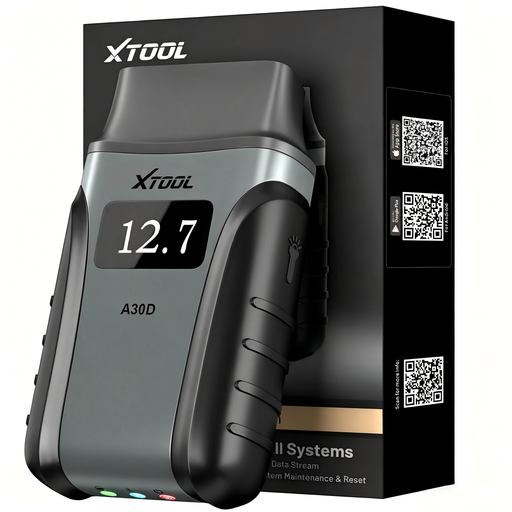
Why This Fits Their Persona: A wireless option for UK DIY owners who want full-system scanning through an Android or iOS device without buying a dedicated tablet.
It lists full-system diagnostics, CAN FD support and 19 service functions, while clearly noting that coverage varies by vehicle.
Bluetooth connection, up to eight PID live-data graphing, bi-directional tests and lifetime free software updates.
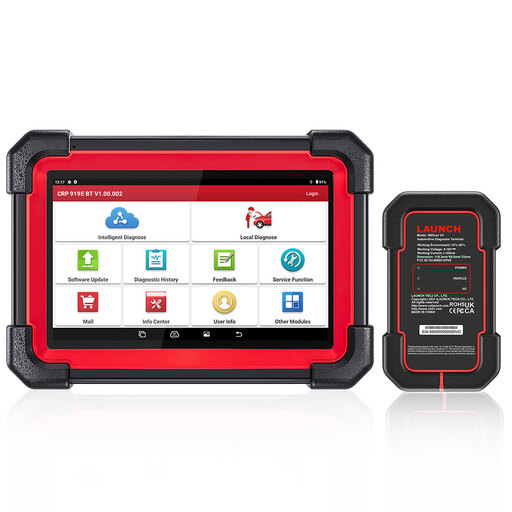
Why This Fits Their Persona: Its dedicated 7-inch Android tablet suits enthusiasts and independent mechanics working on several European vehicles in a garage or driveway.
The EU version is intended for European-region use, including the UK, and the listing identifies CAN FD, DoIP and vehicle-dependent ECU coding limits.
Full-system diagnosis, bi-directional active tests, more than 31 listed reset functions and wireless or wired VCI communication.
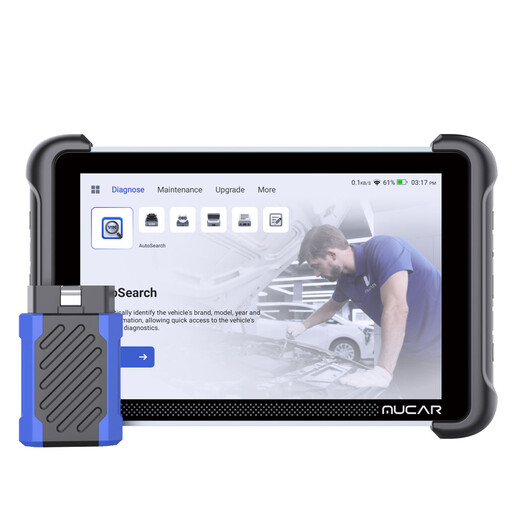
Why This Fits Their Persona: A larger 8-inch tablet with a magnetic VCI is suitable for independent garages, mobile technicians and users managing repeated diagnostic jobs.
The listing states that updates do not require subscription fees and identifies the need to check model-specific coverage before advanced procedures.
CAN FD and DoIP support, ECU coding, bi-directional tests, 34+ service functions and compatibility with additional workshop tools.
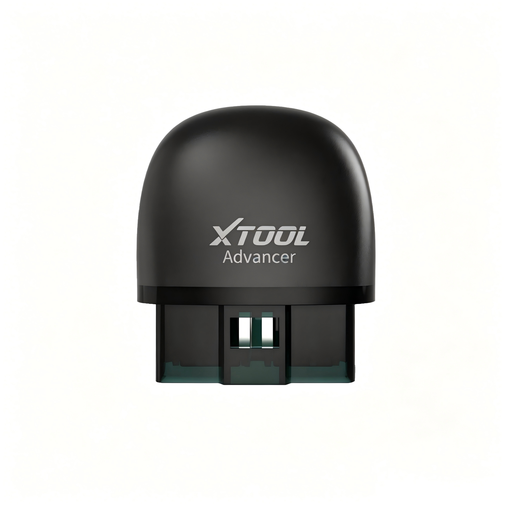
Why This Fits Their Persona: Its pocket-sized wireless design is practical for used-car inspections, commuters and owners who want phone-based diagnostics in a UK driveway.
It specifies Android and iOS compatibility, standard OBD2 functions, Auto VIN and battery monitoring rather than implying that every repair task is supported.
Bluetooth 5.0, full-system scanning, AI-assisted code explanations, live data, I/M readiness and a sleep-mode feature.
We have compiled a complete, real-time list of products that fully satisfy these strict selection criteria and UK safety regulations.
Not always. Some products include lifetime free updates for standard software, while others provide a defined update period. Manufacturer security access, FCA AutoAuth and selected online services may involve separate registration or charges. Check the exact product terms before purchase.
Normal code reading is designed for the vehicle’s diagnostic socket, but active tests, coding and resets should be used carefully. Keep the battery adequately charged, follow on-screen instructions and do not disconnect the tool during coding. A scanner reports information; it does not replace safe mechanical inspection or qualified repair work.
Service life depends on battery care, storage conditions, connector handling and software support. A dedicated tablet with replaceable accessories may suit regular garage work, while a Bluetooth dongle is easier to store and carry. Before buying, check the warranty, update policy, app support and whether the device remains usable after an update period ends.