
24/7 Customer Support

Free returns

Same-day & Next-day Delivery

Quality Guaranteed

Unlock Your Welcome Offers: FREE Delivery | Up to 80% OFF | Free 30-day JoyPlus trial
Download the APP
A professional OBD2 car diagnostic scanner can do far more than switch off a dashboard warning light. The right device may read multiple control modules, display live data, perform active tests, complete service resets and communicate with newer vehicle networks. However, the wrong purchase can leave you with a basic car code reader that cannot access the systems you actually need.
For UK DIY enthusiasts, mobile mechanics, used-car inspectors and independent garages, three buying pitfalls appear regularly:
The following guide explains the specifications worth checking before choosing an automotive diagnostic scanner.
A full-system car diagnostic tool should access more than the engine module where vehicle support is available. Look for coverage of ECM, TCM, ABS and SRS, with additional access to systems such as TPMS, air conditioning, electronic parking brakes and body control modules.
Live data is also important. A scanner should ideally display sensor readings, freeze-frame information and diagnostic trouble codes rather than simply offering a code-clearing function. Graphs or multiple PID displays can help you compare values while diagnosing intermittent faults.
For UK vehicles, confirm whether the device supports OBD2 and EOBD communication and check the exact vehicle compatibility list before ordering.
A bidirectional OBD2 scanner, also called an active test diagnostic tool, can send commands to supported vehicle components. Depending on the vehicle, this may include operating cooling fans, fuel pumps, windows, lights, solenoids, wipers or door locks.
This is different from reading a fault code. An active test may help narrow down whether a component or its control circuit responds, but it does not replace safe electrical testing or manufacturer repair procedures.
Common service functions include:
The number of listed functions should not be the only deciding factor. Confirm which functions are available for your specific vehicle.
A CAN FD diagnostic tool can communicate with some newer vehicle networks at a higher data rate than conventional CAN. DoIP support may also be relevant for selected modern vehicles. FCA AutoAuth or similar secure gateway access can require a separate account or manufacturer-related charge, so do not assume that protocol support removes every access requirement.
“Lifetime free updates” should be checked carefully. Ask whether the offer covers all vehicle software, special functions and language packs, or only basic OBD2 operation. A tool with a one-off ownership model may be more suitable for a home mechanic or small garage that wants predictable costs, while a subscription-based device may offer different software coverage.
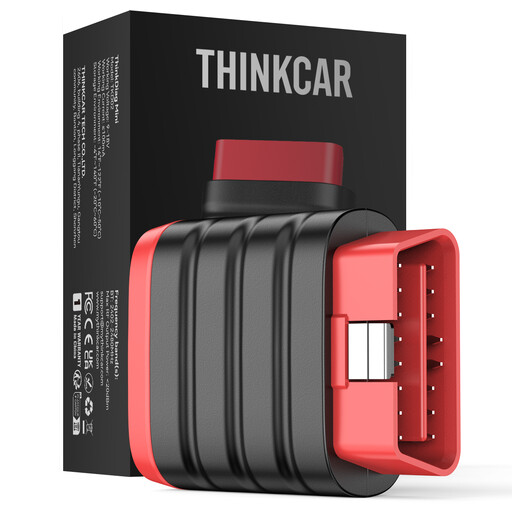
Why This Fits Their Persona: A compact Bluetooth option for UK drivers and DIY users who want full-system scanning through an iOS or Android phone without carrying a handheld tablet.
It is described as supporting full-system diagnostics, live data, VIN detection and lifetime free updates, rather than only engine-code reading.
Bluetooth 5.0 connection, 22-language support and a stated 0.1 kg compact design. It does not include maintenance resets or special functions.
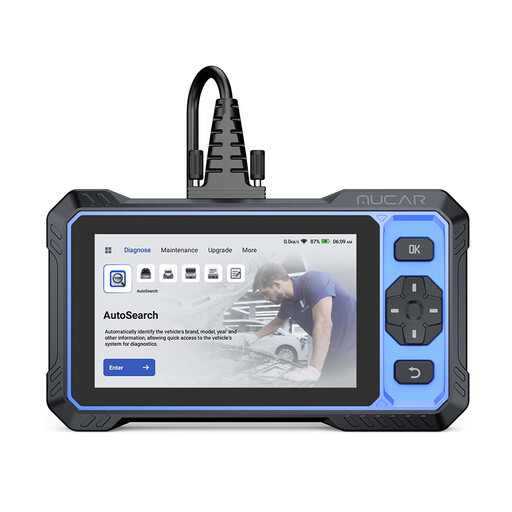
Why This Fits Their Persona: Suitable for independent garages and advanced users who need a handheld automotive diagnostic scanner with active testing and service functions.
Its stated specification includes full-system diagnostics, CAN-FD, FCA AutoAuth support and lifetime free updates, helping address coverage and recurring-cost concerns.
Includes bi-directional controls, more than 20 service functions, a 6-inch touchscreen and AI-assisted fault interpretation.
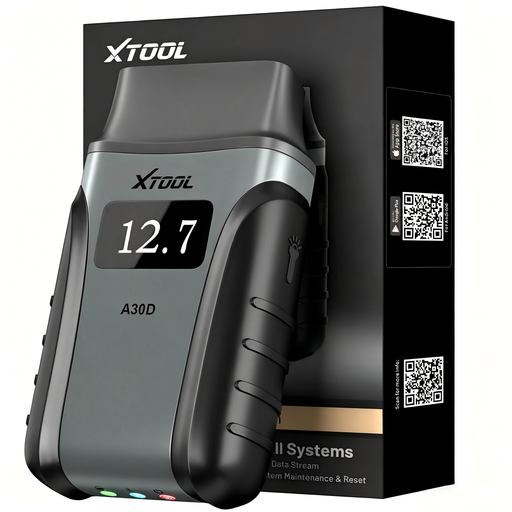
Why This Fits Their Persona: A wireless choice for mobile mechanics, driveway repairs and users who need active tests without staying beside a cabled handheld unit.
It lists full-system scanning, CAN-FD, 19 reset functions and lifetime free software updates. FCA AutoAuth remains a separate requirement where applicable.
Supports up to eight live-data PIDs, bidirectional component tests, Android and iOS devices and a stated two-year repair warranty.
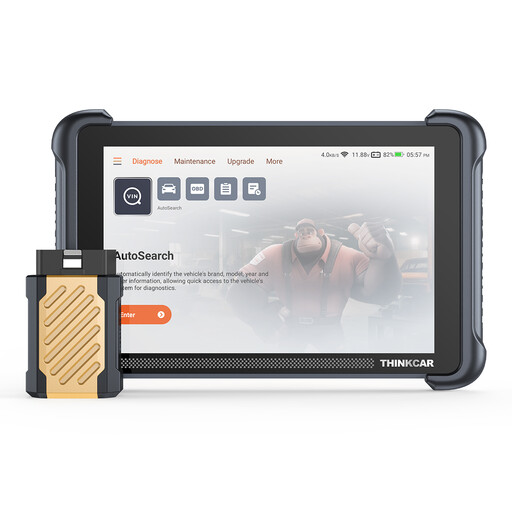
Why This Fits Their Persona: Designed for users handling frequent diagnostics who value a larger screen, wireless operation and broad maintenance coverage in a workshop setting.
It combines full-system diagnostics with CAN-FD and DoIP support, ECU coding, bidirectional control and a stated lifetime free update service.
Offers 34 maintenance reset functions, an 8-inch touchscreen, 4GB RAM, 64GB storage and a magnetic wireless VCI.
We have compiled a complete, real-time list of products that fully satisfy these strict selection criteria and UK safety regulations.
Before ordering, note your vehicle’s make, model, engine, registration details and VIN. Then check the product listing or contact the seller to confirm the required function. For coding, relearning and long active tests, use a stable battery maintainer and follow the vehicle manufacturer’s procedure. Never disconnect the scanner during a software update or module programming operation.
Also check the OBD port location, phone operating-system requirements, Bluetooth range, warranty terms and whether the package includes a cable or only a wireless adapter.
Yes, provided the functions match your vehicle and you understand the procedure. Basic code reading and live data are accessible to many DIY users, while ECU coding, airbag work and active tests require greater care and appropriate technical knowledge.
Not always. Some products list lifetime free updates, while others include a limited update period and charge for continued access to advanced software. Always check whether the free period covers service functions and full-system diagnostics.
Service life depends on storage, battery care, software support and workshop use. A device with replaceable or rechargeable power, protective handling and continued compatible updates may remain useful for several vehicle ownership cycles. Compatibility should still be checked as vehicle networks and security requirements change.