
24/7 Customer Support

Free returns

Same-day & Next-day Delivery

Quality Guaranteed

Unlock Your Welcome Offers: FREE Delivery | Up to 80% OFF | Free 30-day JoyPlus trial
Download the APP
For a busy table tennis club, academy or sports centre, the wrong ball can create more than an annoying bounce. Inconsistent roundness disrupts drills, fragile surfaces increase replacement costs, and small packs can leave coaches short during multi-ball sessions. Choosing professional table tennis balls means looking beyond star ratings and attractive packaging.
Before placing a bulk order, watch for these common purchasing pitfalls.
The word “professional” can describe intended use rather than a formal competition approval. A training ball may be suitable for repeated drills but not appropriate for a sanctioned match. Check whether the product is described as competition-grade, training-grade or certified for a particular playing standard.
A low unit price is useful for schools and clubs, but only if the balls remain usable through repeated sessions. Consider the material, construction and expected playing conditions alongside the number of balls supplied. A pack of 100 may be practical for multi-ball training, while a six-ball competition pack may be more suitable for match preparation.
Seamed table tennis balls can offer a cost-conscious option for training, but players should still check the stated construction and intended level. Heat, direct sunlight, sharp objects and heavy impacts can deform balls, regardless of their grade.
Collection is another overlooked cost. Coaches who repeatedly bend down to gather loose balls lose training time and may experience unnecessary strain. A dedicated table tennis ball collector or ping pong ball picker can make a noticeable difference during high-volume sessions.
Many current training and competition balls use ABS polymer. The material is valued for its impact resistance and consistent shape, but ABS alone does not determine whether a ball is suitable for tournaments. Check the complete product description for its grade, certification information and intended use.
For daily drills, table tennis training balls should prioritise durability, roundness and predictable rebound. For formal matches, look for 3-star table tennis balls and verify whether the listing identifies ITTF or WTT certification. Certification details should be treated as product information to check against the requirements of your event or governing body.
The V40+ table tennis balls format is widely associated with the larger 40+ mm ball used in modern play. Buyers should still check the listing rather than relying on the name alone.
Both seamed and seamless designs are available. A seamed ball may be a sensible option for repetitive coaching drills where volume and replacement cost matter. Competition table tennis balls generally require closer attention to roundness, bounce and consistency. If your venue runs both training and match sessions, using separate ball types can prevent unnecessary wear on competition stock.
Choose quantity according to the session format:
Store balls in a cool, dry place away from direct sunlight. Wipe them with a soft, dry cloth when needed, and remove damaged or visibly deformed balls from match use.
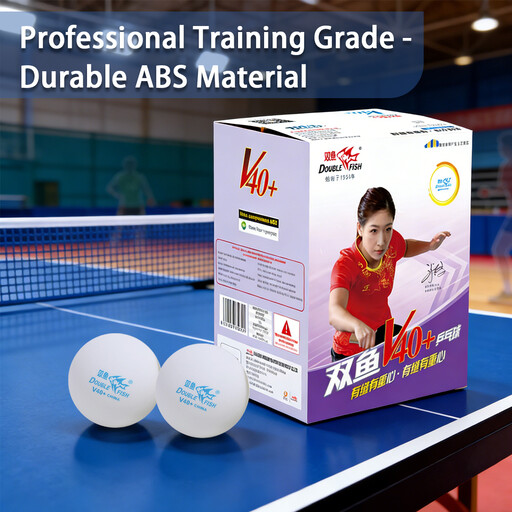
Why This Fits Their Persona: A 100-ball pack gives new clubs, schools and community venues enough stock for regular drills without moving immediately to match-level balls.
The listing identifies it as a seamed ABS training ball, making its intended use clearer than an unqualified “professional” label.
ABS construction, seamed design and a box of 100 for repeated practice.
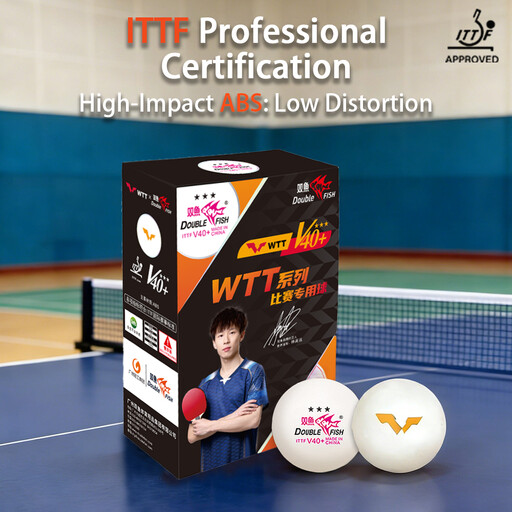
Why This Fits Their Persona: Players preparing for competitions can keep a smaller set of stated match-level balls for focused practice and club matches.
The listing specifies 3-star, V40+, ABS and ITTF/WTT certification information, which is more useful than relying on packaging language alone.
High-impact ABS material, six-ball display pack and stated competition certifications.
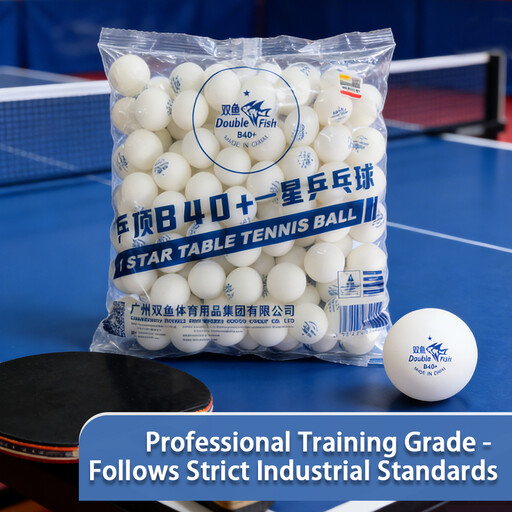
Why This Fits Their Persona: Coaches and high-volume venues can use a 100-ball bag for multi-ball drills, repeated serves and group sessions.
The one-star training grade and bulk quantity make the use case clear, rather than implying that every supplied ball is intended for formal competition.
Seamed ABS construction, one-star training grade and 100-ball packaging.
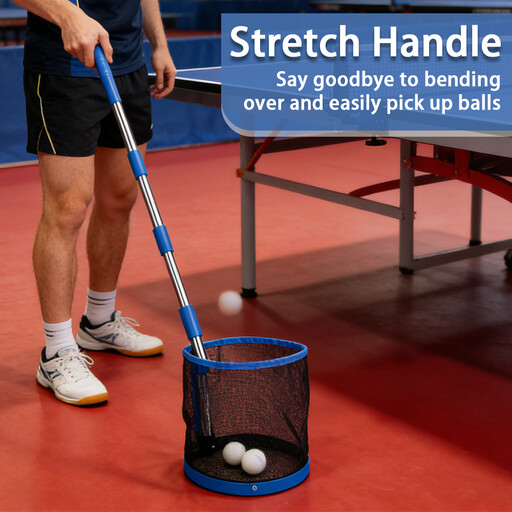
Why This Fits Their Persona: A coach running frequent multi-ball sessions can collect loose balls while standing, helping restore the table quickly between exercises.
The adjustable telescopic handle removes the need to repeatedly bend down, while the tight mesh is designed to retain collected balls.
Rust-resistant stainless steel handle, non-slip grip and large-capacity three-dimensional mesh pocket.
We have compiled a complete, real-time list of products that fully satisfy these strict selection criteria and UK safety regulations.
Before ordering, confirm:
Not always. Three-star balls are generally selected when players need a competition-oriented specification for matches or advanced preparation. For repetitive feeding, serving and robot drills, no-star or one-star training balls may provide a more practical quantity-to-cost balance. Use the grade that matches the session rather than paying for a specification you do not need.
Lifespan depends on impact intensity, storage and handling. Balls used for powerful multi-ball drills will wear faster than those used for casual rallies. Inspect them regularly for dents, cracks, loss of roundness or unusual bounce. Keep usable training balls separate from competition stock and replace any ball that no longer behaves consistently.
For coaches and venues running frequent multi-ball sessions, a collector can reduce interruptions and repeated bending. Models with telescopic stainless steel handles, non-slip grips and large mesh pockets are particularly suited to collecting many balls at once. Wipe the collector dry after use and inspect the handle and mesh before each session.