Detail-led ballet viewers
You watch performances attentively and want to assess costume colour, faces, stage shadows and recorded movement, even if that means taking more care over the viewing setup.


Choose a projector for ballet recordings around your room’s light and available projection distance, not resolution alone. In a darkened room, give colour and shadow detail close attention; in a shared living room, check whether the brightness and throw distance suit your planned image size. Automatic setup or ultra-short throw is useful when it solves a particular placement problem, but neither replaces checking picture quality.
You watch performances attentively and want to assess costume colour, faces, stage shadows and recorded movement, even if that means taking more care over the viewing setup.
You watch in a shared room where ambient light or furniture limits placement. Image brightness and the distance available between projector and screen matter alongside picture detail.
You set up for a recording rather than keeping a permanent installation. Automatic adjustment and built-in sound appeal, provided the projector still fits your room and playback device.
Start with the projector’s possible position and the light you can control. Then assess picture characteristics and playback convenience for that setup, rather than treating a single specification as the answer.
| Concern | What to check | Who this matters to |
|---|---|---|
| Colour, shadows and movement | Compare the exact model’s declared colour coverage and picture controls; assess dark scenes and recorded movement where possible. | If costume colours and dancers against dark scenery are my priority, I want to judge more than resolution alone. Around 36% of consumers put picture detail first. |
| Room light and projection distance | Measure lens-to-screen distance and intended image width; compare brightness figures only after checking their stated measurement methods. | In a living room I cannot always darken, the image needs to fit both the available space and viewing light. For around 29% of consumers, room fit is the primary concern. |
| Setup, playback and sound | Check inputs against your playback device, along with adjustment controls and the available audio connections. | If I put the projector away between recordings, setting it up and starting playback without fuss matters most. Around 21% of consumers prioritise that convenience. |
| Close-to-wall placement | Check the exact throw ratio against the intended image width and assess whether the wall or screen suits the planned position. | When a projector cannot sit across the room, I need a workable position near the projection surface. Close-to-wall installation comes first for around 14% of consumers. |
Epson describes the EH-TW7100 with 3,000-lumen white and colour output, while XGIMI specifies 2,300 ISO lumens for the HORIZON Ultra. Different labels should not be treated as a like-for-like comparison, and neither figure alone tells you how an image will look at your planned size and room-light level.
Check each model’s stated measurement method, then assess brightness for your intended screen size and viewing conditions.
Throw ratio relates image width to lens-to-screen distance, as ProjectorCentral explains. Optical zoom, keystone adjustment and ultra-short throw address different placement issues; keystone cannot make an unsuitable throw distance fit.
Measure the planned lens position, available projection surface and desired image width before choosing a model.
A different mount, furniture position or screen may be necessary if the planned position does not work.
Autofocus and alignment can reduce setup work, but they do not establish how stage scenes or orchestral sound will come across. Which? assesses projector picture quality, sound and ease of use as distinct aspects.
Check the inputs and audio connections for your playback device, and consider whether the built-in speakers meet your listening needs.
Your setup may also need external speakers or additional playback connections.
Apps and network features can depend on continuing software support. That matters if you expect to stream recordings directly through the projector over time.
For a connected model, ask for its declared minimum security-update period and check how your preferred playback source can connect if an app changes.
Its UK home-cinema range includes conventional-throw and ultra-short-throw options, which address different room layouts.
The W2710 is a home-cinema model with declared colour and HDR features relevant to viewers comparing stage-recording picture characteristics.
The HORIZON Ultra illustrates a setup-focused approach with automatic adjustment and integrated sound.
These projectors offer different ways to set up for ballet recordings, from adjustable placement to portable viewing. Compare each exact variant with your room measurements and playback needs; a listed picture feature is not a substitute for assessing how stage footage looks.
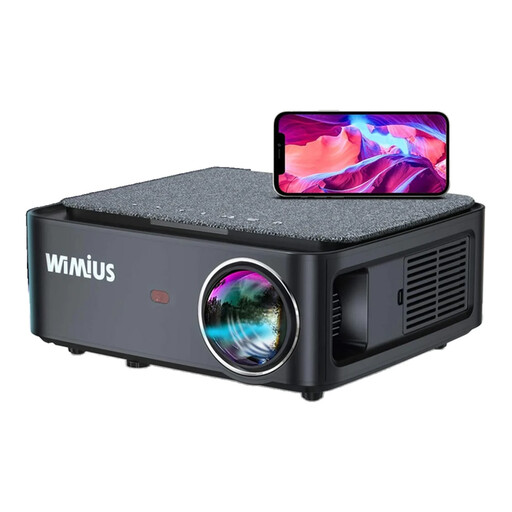 No image available
Consider this model if adjustable positioning matters for a recording setup. Its listing states Full HD 1080p, 1,200 ANSI lumens, 4K input support and vertical and horizontal keystone correction; check the image size achievable from your intended lens position.
 No image available
This is a setup-focused option if the projector will move between viewing positions. The listing states native 1080p, 900 ANSI lumens, 180° rotation and automatic keystone adjustment; confirm the image dimensions at your planned distance and the support information for its connected features.
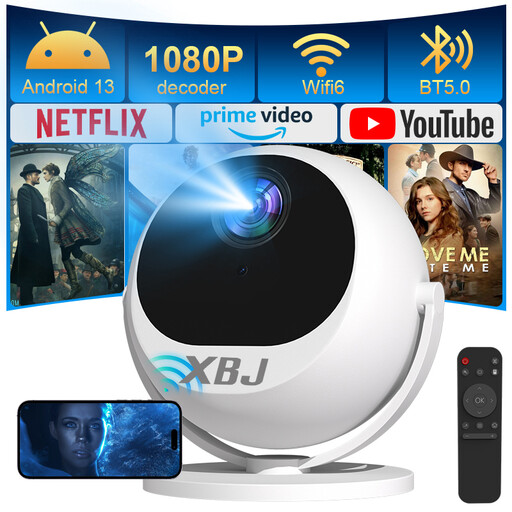 No image available
Its rotating design may suit temporary positions for watching recordings. The title specifies Full HD 1080p, 360° rotation and automatic keystone adjustment; check the projection distance for your desired image width rather than relying on the stated maximum display size.
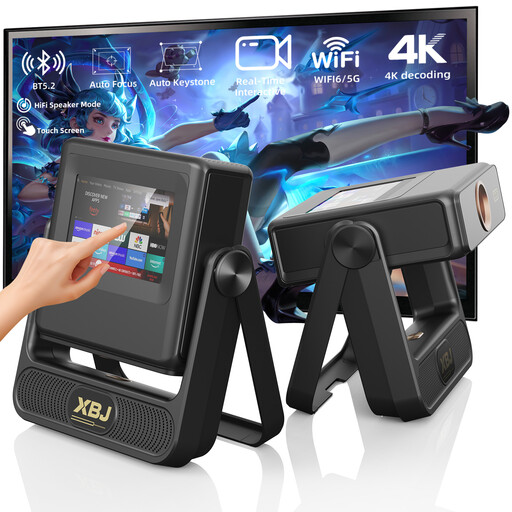 No image available
Consider the adjustment features if you expect occasional changes of position. The title states native 1080p, 4K input support, autofocus and keystone correction; confirm the exact variant’s brightness figure and its image size at your planned distance before comparing it with other models.
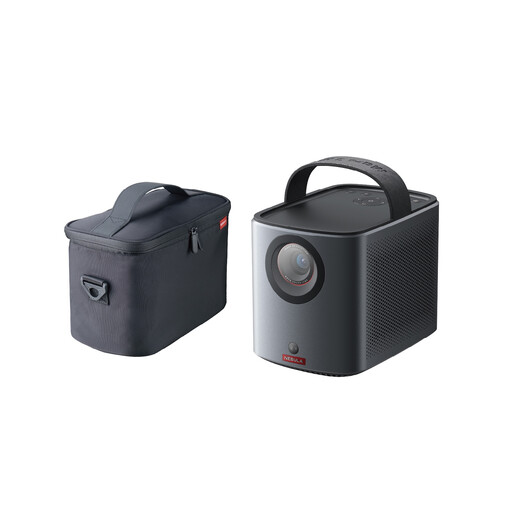 No image available
The carry case bundle is relevant if you intend to put the projector away between recordings. Check the exact model’s achievable image size, playback connections and viewing-session requirements against your room before choosing it.
Not necessarily: 4K is one point to compare, while colour, contrast, movement, source quality and room light also affect how a stage recording looks. Assess the picture characteristics that matter to you using the footage and viewing conditions you expect to use.
Measure from the proposed lens position to the screen or wall, then compare that distance and your desired image width with the exact model’s throw ratio and zoom range. ProjectorCentral explains that throw ratio relates image size to projection distance; measure before relying on keystone adjustment to tidy up the image.
Do not assume they use the same measurement method. Check how each manufacturer defines its brightness figure, then consider the intended image size and ambient light before judging which specification is relevant to your room.
Check how your preferred playback device connects and ask for the exact model’s declared minimum security-update period. If you plan to use built-in apps, consider how you would continue watching recordings if an app changes or becomes unavailable.
For a UK consumer purchase, rights concerning faulty goods under the Consumer Rights Act 2015 are separate from a retailer’s voluntary change-of-mind policy, as outlined by the Department for Business and Trade. Keep the listing, proof of purchase and relevant description of the fault when contacting the seller.