Dark-room theatre hosts
If you can close the curtains and control the lighting, compare Full HD and 4K projectors against your intended image size and the distance available for projection.


Choose a projector around the room, screen size and available placement before comparing resolution: a darkened room gives you different options from a living room where some light remains. Check the exact model’s throw-distance range, then decide whether Full HD meets your viewing needs or whether a large screen and closer seats make 4K detail a priority. Plan how the whole group will hear the recording rather than relying on picture specifications to settle the choice.
If you can close the curtains and control the lighting, compare Full HD and 4K projectors against your intended image size and the distance available for projection.
If some window or room light will remain, assess brightness at the screen size the group needs before choosing a projector for its portability or setup features.
If close-ups, costumes and quiet dialogue matter to your group, compare resolution at the planned seating distance, then check playback connections and the sound arrangement separately.
For a large-group theatre recording, establish the room light and image size first, then check where the projector can sit, how much picture detail you need and how everyone will hear the recording.
| Concern | What to check | Who this matters to |
|---|---|---|
| Visibility at a large image size | Compare the planned screen size and room lighting with each model’s stated light output, using comparable measurement bases. Epson’s UK guide places 2,500–3,500 lumens in the context of living rooms with some ambient light; that range is guidance, not a guarantee for a particular setup. | If I cannot darken the room fully, I need the stage to remain visible across a screen large enough for everyone. Around 33% of consumers would put usable large-screen brightness first. |
| Placement that leaves room for the group | Measure from the proposed lens position to the screen, then check the exact model’s image-size and throw-distance range with its calculator or manual. | I need the projector out of the audience’s way without giving up the intended image size. For around 27% of consumers, placement fit would be the primary concern. |
| Stage detail and resolution | Compare Full HD, 1920 × 1080, with a model’s stated 4K resolution after checking brightness and placement. Confirm that the recording source and connection can deliver the format you choose. | When viewers sit closer to a large screen, I want to consider whether finer costume and set details justify a 4K option. Around 20% of consumers would prioritise picture detail. |
| Playback and group audio | Confirm the recording’s playback method, the projector’s required inputs and the connection to your chosen audio equipment. Check streaming access for the exact service rather than assuming a smart projector includes it. | I need the recording to play through my equipment and dialogue to reach every seat. Clear playback and sound would come first for around 20% of consumers. |
A larger image spreads the projector’s light over more surface, while ambient light can make darker scenes harder to see.
Set your intended image size and decide how much light you can control before comparing stated brightness on a like-for-like basis.
The projector may not produce your intended image size from a position that keeps sightlines and walking space clear.
Measure the proposed lens-to-screen distance and check that image size in the exact model’s throw-distance calculator or manual.
Choosing 4K rather than Full HD will not resolve unsuitable room lighting, projector placement or an incompatible playback source.
Check visibility and placement first, then weigh the screen size, seating distance and source format when comparing resolutions.
For films or TV shows screened publicly, GOV.UK says permission is needed even if tickets are not sold. Whether a theatre-recording event is public and what permissions apply depend on its content and setting.
If you are organising a community, club or venue screening, check the recording’s rights and service terms, along with any applicable venue and TV Licence requirements, before announcing it.
Epson’s UK home-projector range is worth comparing if you want to assess conventional home-cinema and smart-projector models against your room.
BenQ’s UK guidance covers brightness, throw distance and resolution for home-cinema projector selection.
Sony’s named BRAVIA Projector 8 and 9 models are relevant if you are considering native-4K laser projection in a carefully planned viewing space.
These portable and home-cinema projector choices are relevant to planning a controlled-light group viewing setup. Check each model against your intended screen size, room light, playback source and group audio arrangement before choosing.
 No image available
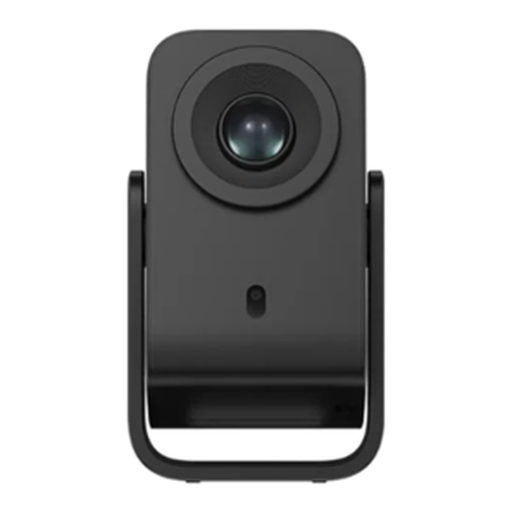
Consider this model for a theatre recording in a room where you can control the light; check its intended image size and placement before relying on it for the group.
The title states Full HD 1080p, 1,200 ANSI lumens, 4K input support and dual speakers. Confirm that your playback device connects as needed and that everyone can hear the dialogue.
 No image available
This portable option may suit a room you can darken, provided its placement range works for the screen the group will use.
The title identifies a 1080p Full HD projector with 4K input support. Check brightness for your room, access to the recording and the audio arrangement separately.
 No image available
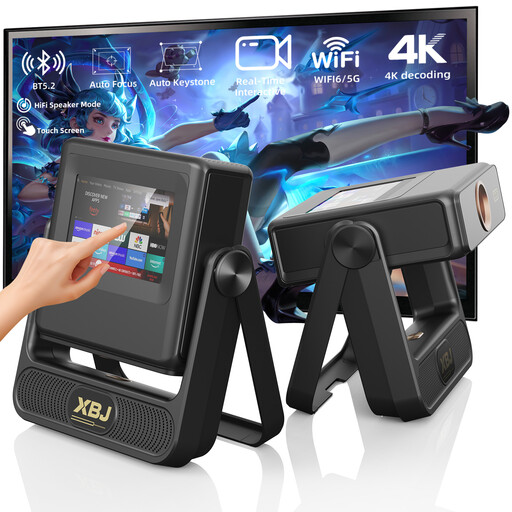
Consider the HY350Max if adjustable positioning is useful, but check that the exact lens position produces your intended image size.
The title states native 1080p, 900 ANSI lumens, 180° rotation, automatic keystone correction, Android 14 and HDMI connectivity. Assess brightness in your room and plan sound for the full group.
 No image available
This model is relevant if its automatic setup features suit your viewing space; confirm the throw distance and image size before arranging the seats.
The title states native 1080p, 4K input support, 900 ANSI lumens, autofocus, automatic keystone correction and Wi-Fi 6. Check the recording’s playback route and how group audio will be provided.
 No image available
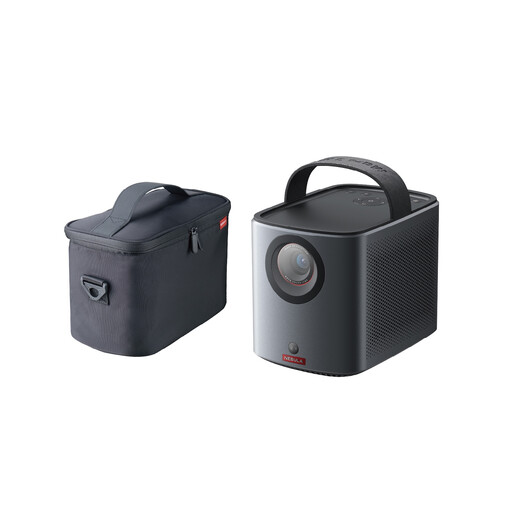
The carry case makes this bundle relevant if you need to move the projector between viewing spaces. Check the model’s brightness and throw-distance guidance against the large image you want.
Before a longer recording, confirm your power arrangement, playback connection and whether the group needs separate speakers.
A large group alone does not establish whether a screening is public. For films or TV shows screened publicly, GOV.UK says permission is needed whether or not tickets are sold; check the recording’s rights, service terms and event setting before organising a community or venue screening. For a private gathering, check the recording’s terms if you are unsure what use they allow.
Using a projector does not itself remove a TV Licence requirement. GOV.UK says a licence is needed to watch or record live TV on any channel or service, or to use BBC iPlayer; check how the theatre recording will be played rather than deciding by the display device.
Check the exact model’s throw-distance calculator or manual against your screen size and proposed lens position. BenQ’s illustrated 1.13:1 example needs about 8.2 feet for a 100-inch 16:9 image, but a different lens can require a different distance.